 GualdimG / CC BY-SA 4.0 via Wikimedia Commons
The Story
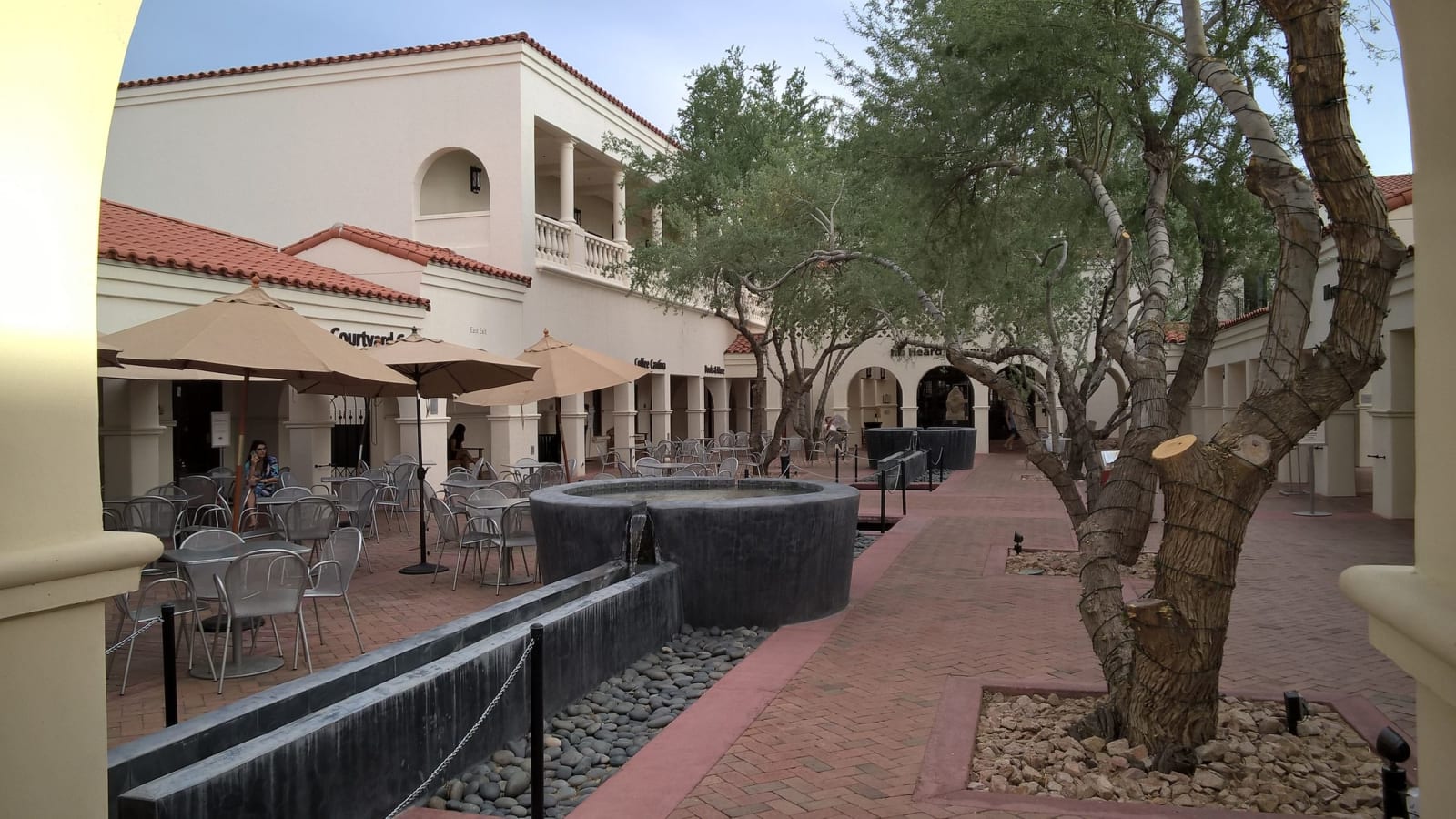
Of all the ways to meet the Native Southwest, the Heard is the one that lets the people speak for themselves. Dwight and Maie Heard, a wealthy Phoenix couple who came west from Chicago in the 1890s and collected Native art in earnest, opened the museum in 1929 to house what they had gathered; Dwight died three months later, and Maie ran it for decades, shaping a place that grew into one of the foremost museums of Indigenous art and life anywhere. Its Spanish Colonial galleries hold some forty thousand works, from ancestral pottery to living contemporary artists, and — this is the Heard's real distinction — it tells their stories in the first person, from the makers' side rather than the collectors'.
That commitment is clearest in its most important exhibit. "Away From Home: American Indian Boarding School Stories" documents the federal program that, from the 1870s onward, took Native children from their families and shipped them to distant schools built to erase everything Native about them — language, hair, ceremony, name. It tells that history through the words and faces of people who lived it, and it is the necessary companion to a place like Fort Apache up in the White Mountains, where one of those schools actually ran. The Heard doesn't file the boarding schools under settled history; it treats them as a wound the country is still learning to name.
The museum sits in central Phoenix on Central Avenue, an easy stop between the airport and downtown, and it earns a couple of hours. Come for the art — the pottery, the jewelry, the Hopi katsina carvings, the annual Guild Indian Fair, the world hoop-dance championship — and stay for the harder rooms. It is the best single place in the state to understand that the cultures the rest of this guide keeps invoking are not written in the past tense.
Visitor Info
On the Map
A story featuring this place
Go deeper into the history and character of this stop
Nearby
The closest stops worth working into your route
Historical markers nearby
Roadside plaques and monuments within a short detour