The Story
Fairview is where the US-89 Heritage Highway begins, and it has the unhurried feel of a place that has always been a threshold rather than a destination. Settled in 1859 at the broad northern head of Sanpete Valley, it sits where the farm country flattens out under the Wasatch Plateau and the highway turns south toward the older Mormon towns of Mount Pleasant, Ephraim, and Manti. Most travelers pass straight through. The ones who stop tend to do it for a single, improbable reason: the mammoth.
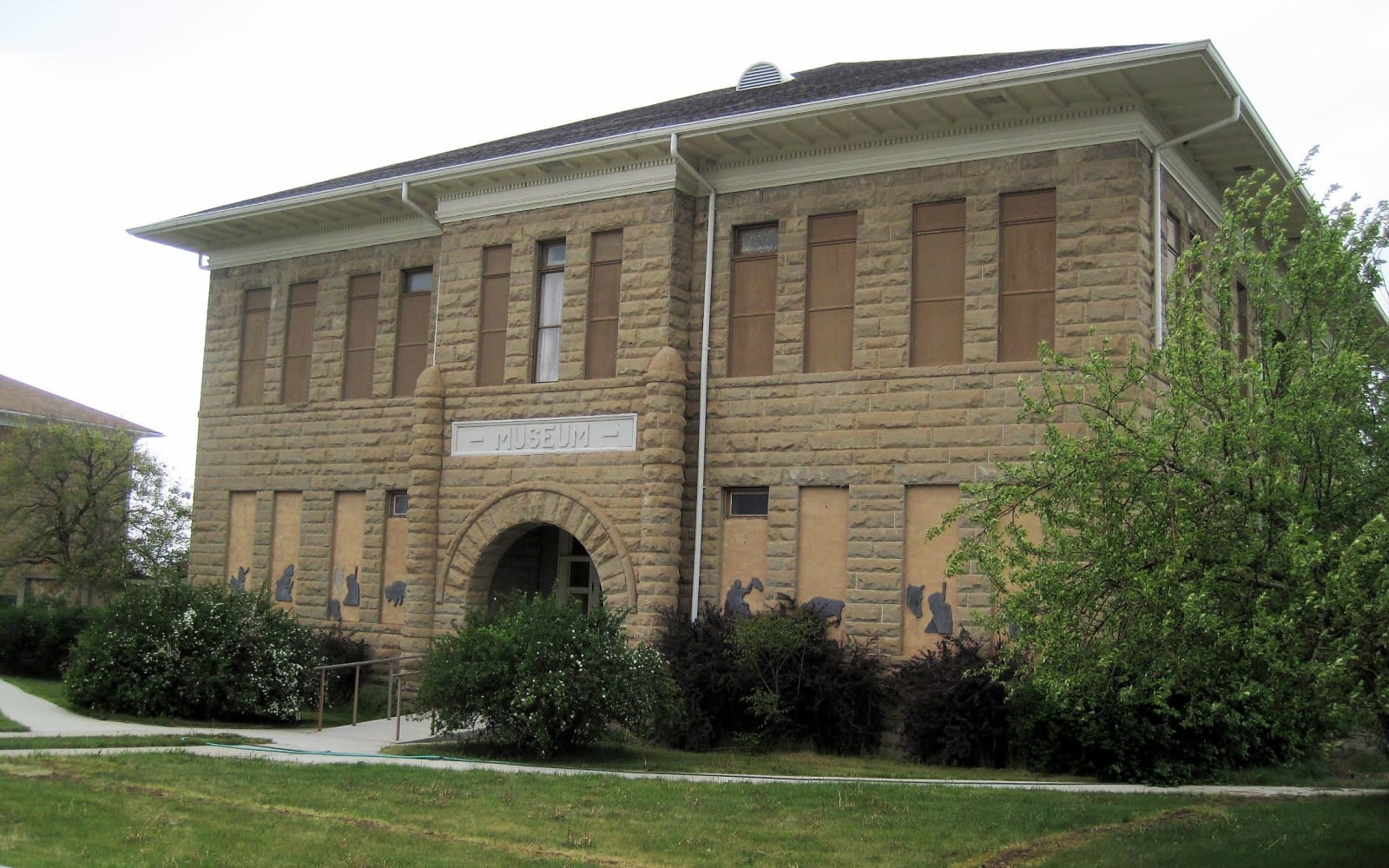
The Fairview Museum of History and Art occupies two buildings near the center of this town of barely twelve hundred people, and it is the kind of small, volunteer-run institution that surprises everyone who walks in expecting ten minutes and stays for two hours. Its centerpiece is a full-scale replica of a Columbian mammoth, cast from a skeleton unearthed in 1988 about eighteen miles east, high on the Wasatch Plateau at Huntington Reservoir. The original was one of the most complete mammoth skeletons ever recovered, and it was found at the highest elevation ever recorded for the species — a genuinely significant Ice Age discovery that now lives, in replica, inside a converted Sanpete schoolhouse. The museum's other rooms are crowded with pioneer furniture and the bronze and stone work of sculptor Avard T. Fairbanks. Admission is free, and the docents are the kind who run treasure hunts for visiting kids.
Fairview is also a doorway to the high country. Out the east edge of town, Utah Highway 31 climbs Fairview Canyon onto the Wasatch Plateau and the long, lonely ridge of Skyline Drive, one of the highest sustained mountain roads in the state. But down on the valley floor, Fairview keeps to its quieter purpose: the calm, green north end of Central Utah's most history-soaked drive.
Visitor Info
On the Map
Stories featuring this place
Go deeper into the history and character of this stop
Nearby
The closest stops worth working into your route
Historical markers nearby
Roadside plaques and monuments within a short detour