 25or6to4 / CC BY-SA 4.0 via Wikimedia Commons
The Story
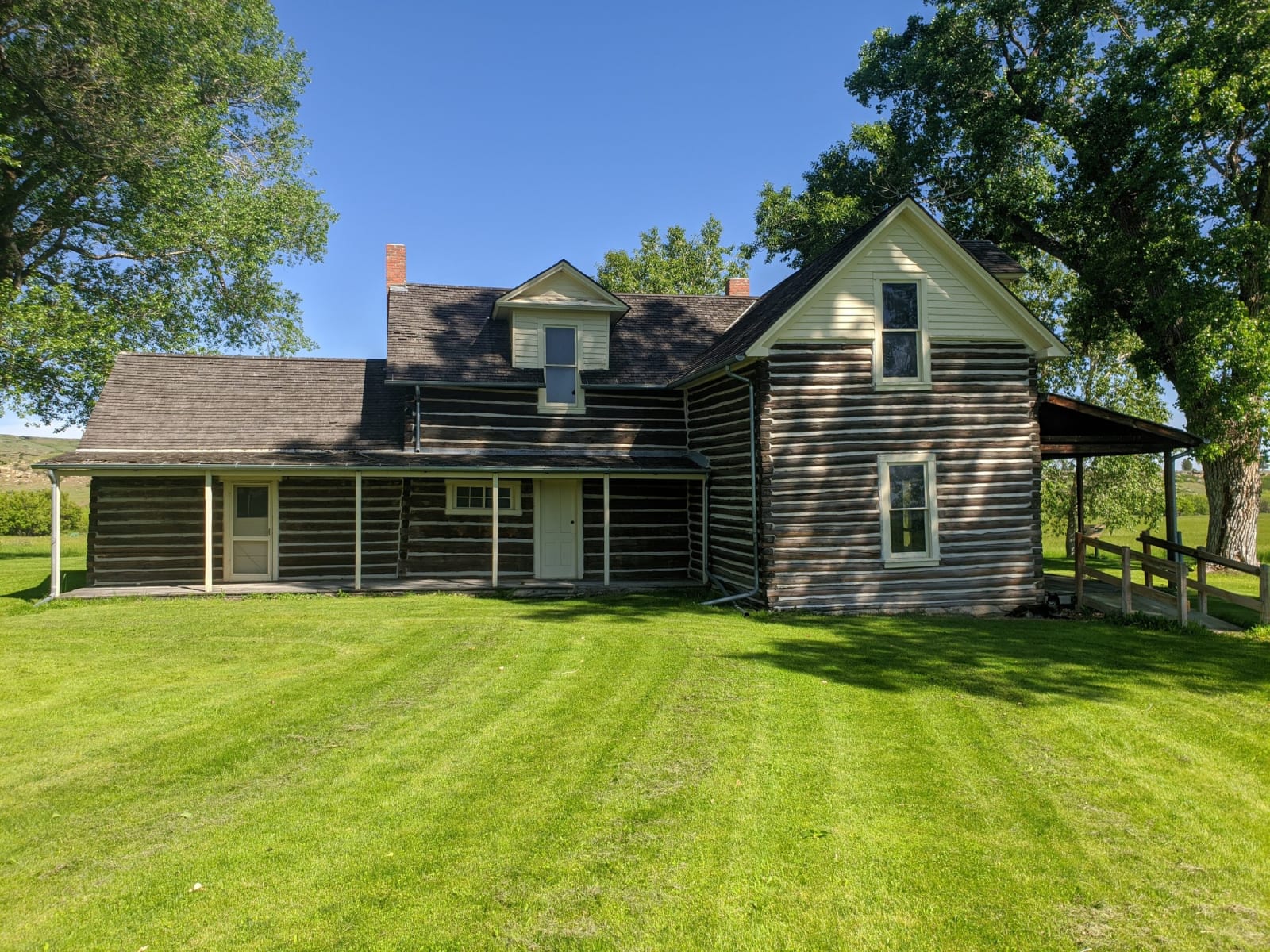
Plenty Coups, Alaxchiiaahush, Many Achievements, settled in the Pryor Valley in 1883 on ground he had first seen in the vision of his youth, and in 1884 he built a log house there: two storeys with a front porch, the house of a man who meant to stay and farm. He raised cattle and horses, opened a general store, and asked the Jesuits for a school, which they built for his people in 1891. Again and again he went to Washington to hold on to what was left of Crow land, and the presidents and senators he dealt with knew him by name.
On one of those trips he visited Mount Vernon, George Washington's home, kept as a place the public could walk through, and the idea stayed with him. In 1928 he and his wife, Strikes the Iron, signed a deed of trust setting aside forty acres of the farm as a park and recreation ground for the Crow and white people jointly, as a reminder that the two peoples should live and work side by side, and the government accepted the gift at a large ceremony that year. Seven years earlier, on November 11, 1921, he had been chosen to represent the American Indian nations at the burial of the Unknown Soldier at Arlington, and he left his war bonnet, lance and coup stick at the grave in tribute. They are on display at Arlington still.
He died in 1932, remembered as the last traditional chief of the Apsáalooke. The Billings Kiwanis Club looked after the house and ran a museum from 1951; the state made it a park in 1965, a visitor center opened in 1972, and the park has grown to 195 acres. The log house still stands, a National Historic Landmark, half a mile west of Pryor, and the park holds a Chief Plenty Coups Day of Honor every year.
Visitor Info
On the Map
Nearby
The closest stops worth working into your route