
Billings & the Little Bighorn
Crow and Northern Cheyenne country: the long walk home of 1878, the Greasy Grass and the 2003 Indian Memorial, and Clark's re-cut signature on Pompeys Pillar.
The Crow Reservation fills the valley of the Little Bighorn, and the Northern Cheyenne live just east of it, where they insisted on living. Removed to Indian Territory in 1877, about three hundred Northern Cheyenne broke out in September 1878 under Little Wolf and Morning Star, the man the Lakota called Dull Knife, and walked north. Little Wolf's band reached Montana. Morning Star's was caught and locked up at Fort Robinson in Nebraska, and dozens were killed when they broke out in January 1879. In 1884 the government set aside the Tongue River reservation that became theirs.
On June 25, 1876, Lakota, Cheyenne and Arapaho warriors defending a camp of thousands on the river they call the Greasy Grass killed Lieutenant Colonel George Custer and more than 260 of his men. The Crow name for the place means where the Child of the Morning Star, their name for Custer, was wiped out. For more than a century the monument carried Custer's name. Congress renamed it Little Bighorn Battlefield National Monument in December 1991 and ordered a memorial to the tribes who fought there, the Crow and Arikara scouts included; it was dedicated on June 25, 2003, a few yards from the 1881 granite memorial to the cavalry on Last Stand Hill.
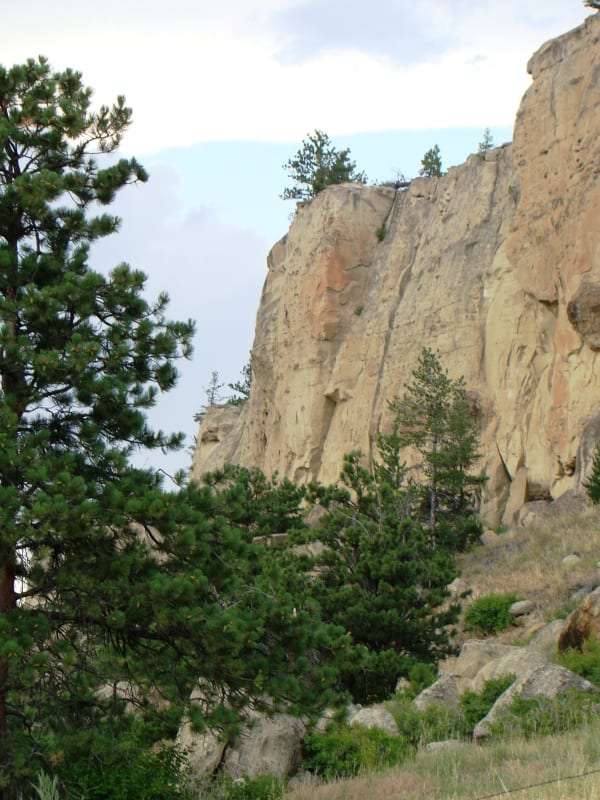
Billings is a Northern Pacific town, incorporated in 1882 and named for the railroad's president, Frederick Billings. About twenty-eight miles downriver, on July 25, 1806, William Clark climbed a sandstone butte above the Yellowstone, named it for Sacagawea's infant son, whom he called Pomp, and cut his name and the date into it near older Native carvings. It is the only mark the expedition left that is known to survive on its route, though not quite as Clark left it: in 1926 the Northern Pacific hired a Billings stone firm to deepen the letters.
What to See in Billings & the Little Bighorn
7 places across the region, grouped by what they are.
Historic Sites

Towns & Gateways
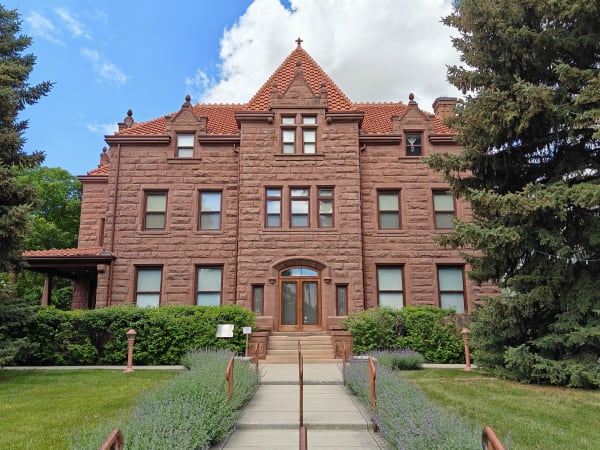
Architecture
Industry & Mining
Stories from Billings & the Little Bighorn
Billings & the Little Bighorn rewards the unhurried. Pick a base, fan out, and let the country between the headline stops surprise you.
← Explore more of Open Road Guide