 Carol M. Highsmith / public domain via Wikimedia Commons
The Story
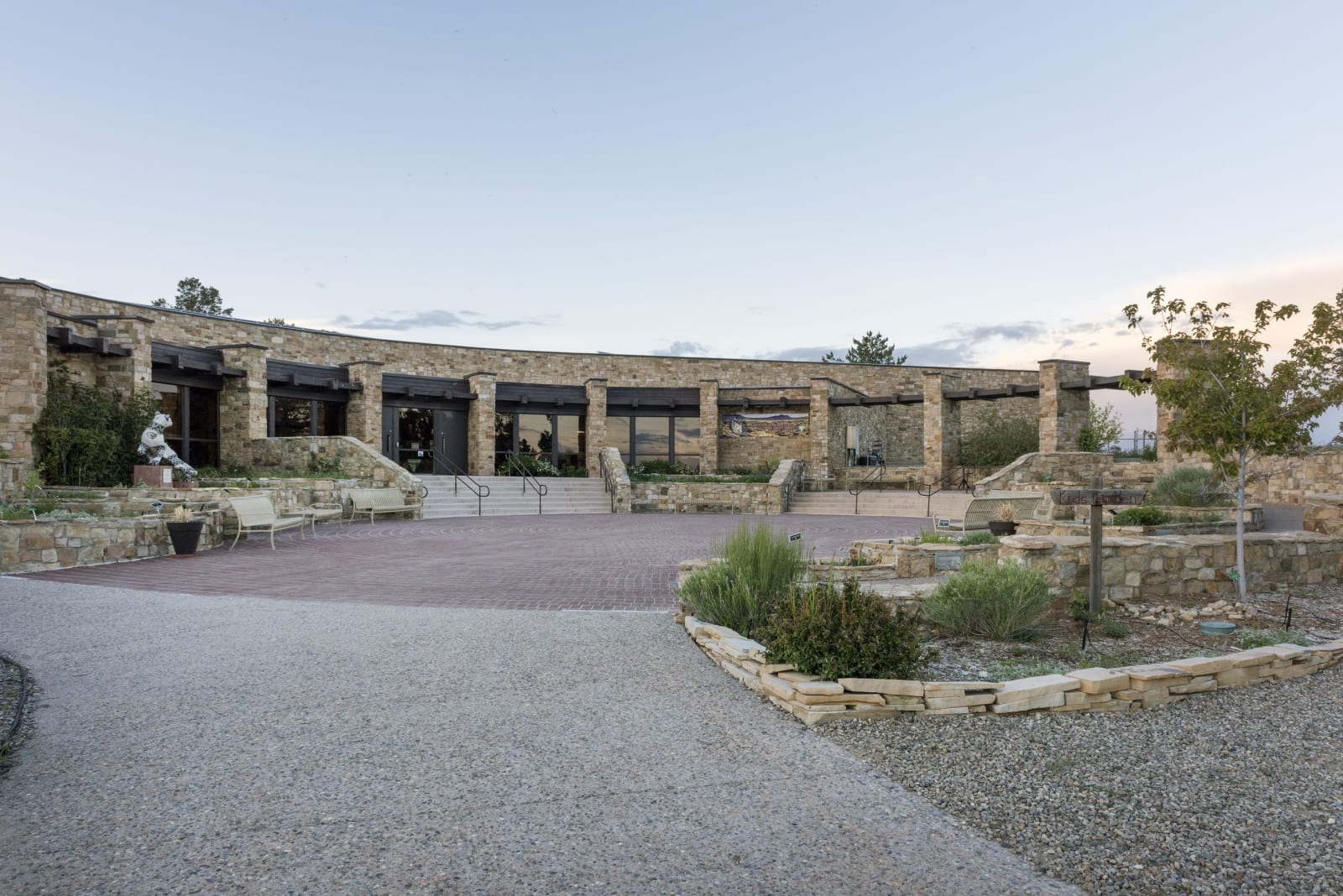
In the late 1970s the Bureau of Reclamation began building McPhee Dam on the Dolores River, and the reservoir behind it was going to cover hundreds of Ancestral Pueblo sites in the valley. The Dolores Archaeological Project, one of the largest salvage excavations ever undertaken in the country, worked the valley before the water rose, and what it recovered became the core of a museum the Bureau of Land Management opened near Dolores in 1988, with a research collection of more than three million artifacts and samples. Two twelfth-century pueblos stand on its grounds, Domínguez beside the building and Escalante on the hill behind, named for the Spanish friars who passed in 1776.
On June 9, 2000, President Clinton proclaimed the canyons and mesas to the west a national monument, now about 170,000 acres, and the museum became its visitor center. Archaeologists put the number of sites here in the tens of thousands, more than six thousand of them recorded, the highest density known anywhere in the United States. The museum long carried the name Anasazi Heritage Center, a Diné word for the ancient ones that Pueblo people do not use for their own ancestors, and it now goes by Canyons of the Ancients Visitor Center and Museum.
Almost all of the monument is unmarked backcountry, its sites deliberately unsigned. Three are developed: Lowry Pueblo, built around 1060 with a great kiva, at the end of a paved road west of Pleasant View; Painted Hand Pueblo; and Sand Canyon Pueblo, at the end of a trail that drops through the canyon to McElmo Canyon Road.
Visitor Info
On the Map
Nearby
The closest stops worth working into your route