Wheeling & the Northern Panhandle
Wheeling's statehood hall and suspension bridge, the National Road, Moundsville's burial mound and prison, the Palace of Gold, Bethany and Newell's Fiesta.
Two thousand years ago Adena people raised the great burial mound at Moundsville over their dead; the state museum beside it tells their story, and the mound is a grave, to be seen and not climbed. In the 1770s the upper Ohio was Mingo country. In 1774 frontiersmen murdered Logan's brother and sister at Baker's Bottom in Hancock County, a killing that helped set off Dunmore's War. Lewis Wetzel, whose name is on the county and a wildlife area near Jacksonburg, murdered the Seneca leader Tegunteh in 1789.
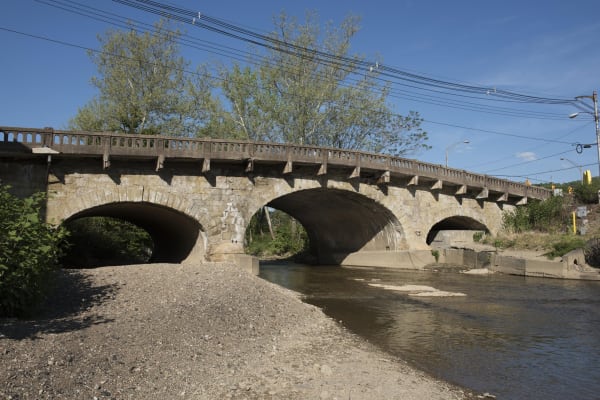
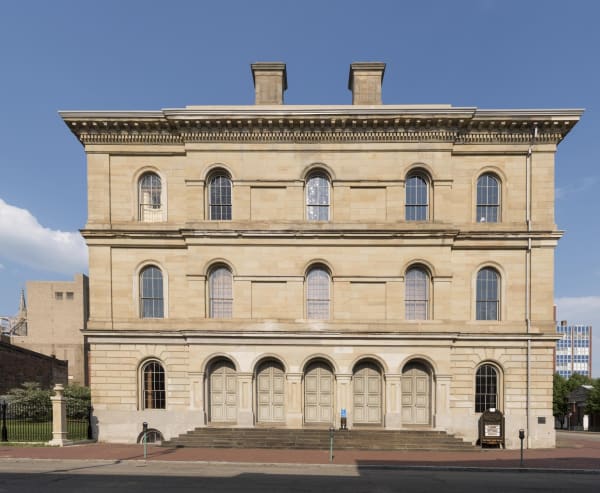
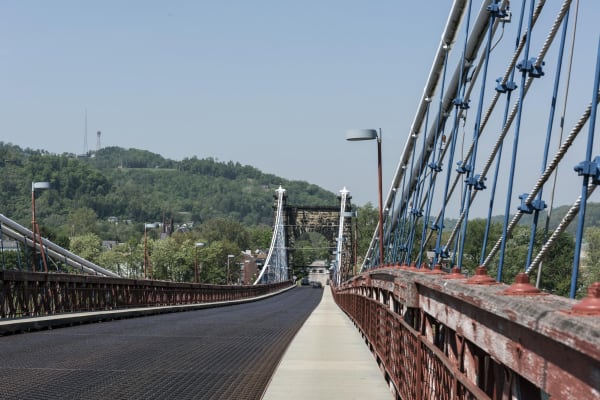
Wheeling grew where the National Road met the river. Moses Shepherd's 1817 stone arches at Elm Grove still carry the road, and Charles Ellet's 1849 suspension bridge took it across the Ohio. In the custom house now called Independence Hall, the 1861 conventions broke with Richmond and drafted a new state, which Congress admitted in 1863 only with a gradual emancipation clause, in a city that had kept a slave auction block.
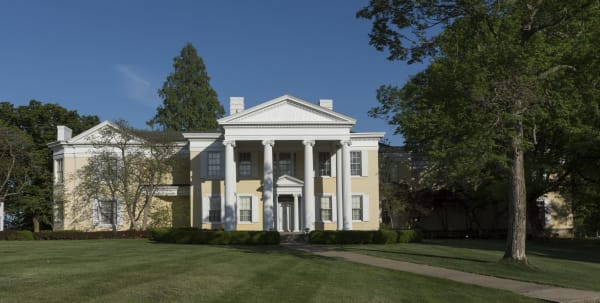
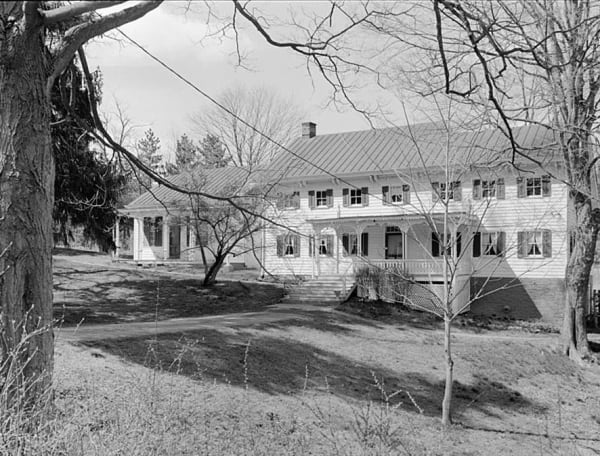
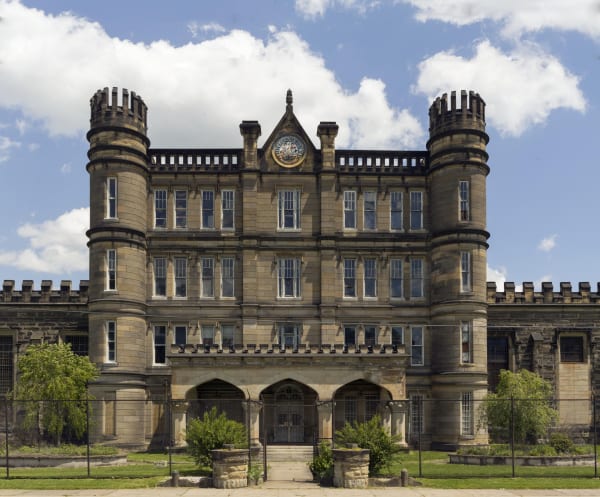
Down the river, Moundsville's Gothic penitentiary held prisoners from 1867 until a court found its cells cruel, and Hare Krishna devotees built a Palace of Gold on a ridge nearby. Wheeling's Capitol Theatre has been the Jamboree's stage since 1933 and Oglebay keeps the city's glass. At the narrow north end, Alexander Campbell's farmhouse stands outside Bethany and Newell still fires Fiesta.
What to See in Wheeling & the Northern Panhandle
12 places across the region, grouped by what they are.
Natural Areas
Hikes & Trails
Historic Sites
Towns & Gateways
Architecture
Industry & Mining
Wheeling & the Northern Panhandle rewards the unhurried. Pick a base, fan out, and let the country between the headline stops surprise you.
← Explore more of Open Road Guide