Walla Walla & the Palouse
Cayuse, Walla Walla, Palus and Nez Perce country — the epidemic at Waiilatpu, the 1855 treaty council, the wheat hills of the Palouse, Palouse Falls, and the lower end of Hells Canyon.
The Walla Walla Valley was Cayuse, Walla Walla and Umatilla country, and in 1836 the missionaries Marcus and Narcissa Whitman built a mission at Waiilatpu, west of the present city, that became a stopping place on the Oregon Trail. In the fall of 1847 measles came in with the emigrants and within two months killed about half the Cayuse, most of their children among them. Whitman, a doctor, could not check it, and some Cayuse came to believe he was poisoning them. On November 29 a party of Cayuse killed the Whitmans and eleven others at the mission. The war that followed opened a decade of fighting on the Plateau, and the mission ground is now Whitman Mission National Historic Site.
In late May 1855 Governor Isaac Stevens called the Nez Perce, the Cayuse, Walla Walla and Umatilla, and the Yakama to a council in the valley, and thousands came. In two weeks three treaties were signed there, the ones that made the Yakama, Umatilla and Nez Perce reservations.
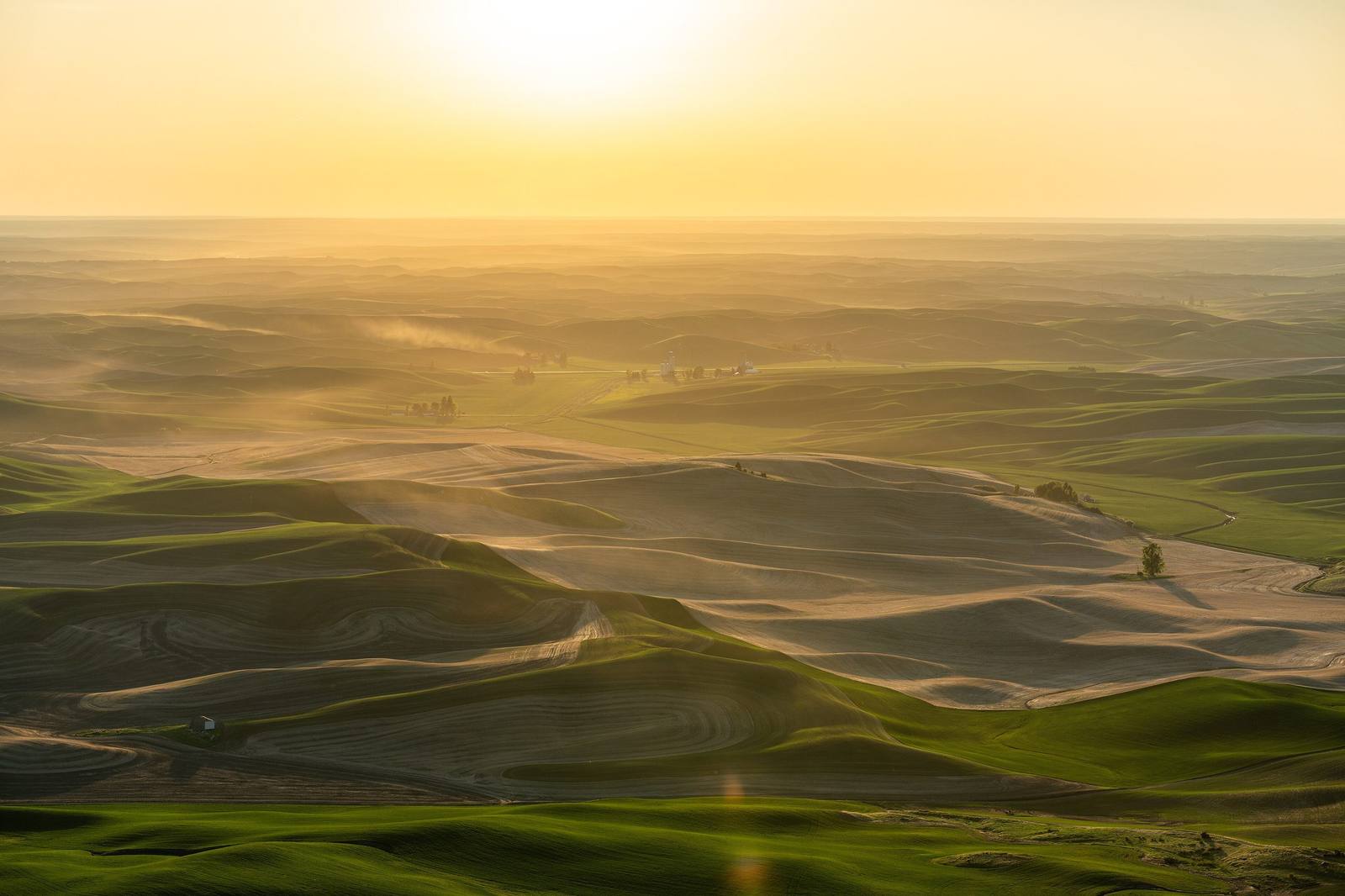
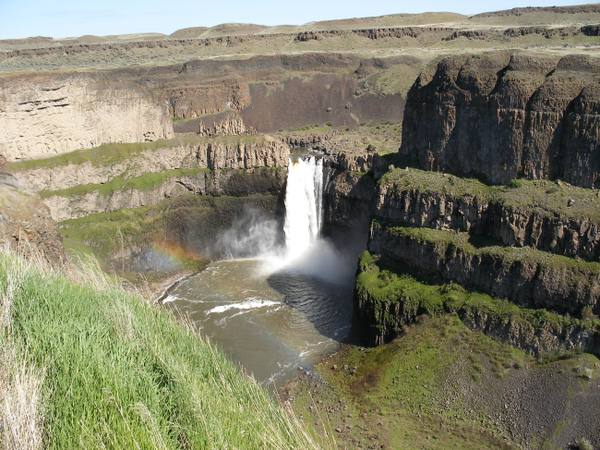
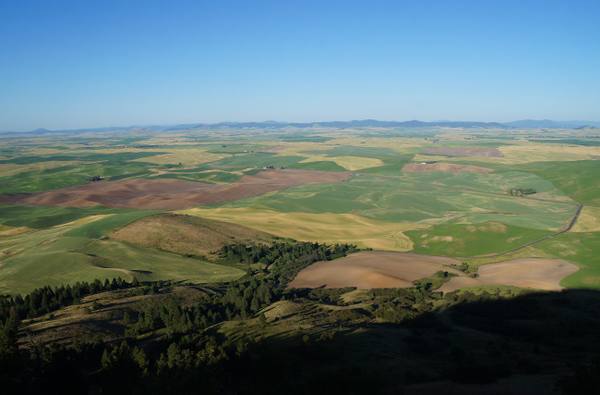
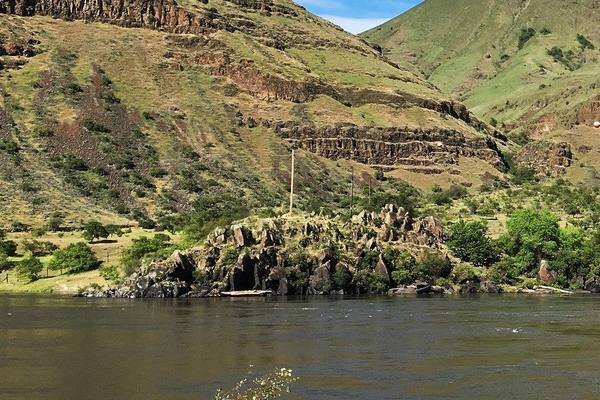
North of the Snake the land rolls into the Palouse, hills of wind-blown silt piled over the basalt and plowed into wheat to the horizon. Steptoe Butte, a summit of older rock the lava flows never buried, stands above them, and geologists named every such island of old rock a steptoe after it. The Palus people, many of whom refused to move onto any reservation, gave the country its name. On its western edge the Palouse River drops nearly two hundred feet at Palouse Falls into a canyon the Ice Age floods cut, and in the far southeast corner Asotin sits at the lower end of Hells Canyon.
What to See in Walla Walla & the Palouse
5 places across the region, grouped by what they are.
Natural Areas
Historic Sites
Towns & Gateways
Stories from Walla Walla & the Palouse
Walla Walla & the Palouse rewards the unhurried. Pick a base, fan out, and let the country between the headline stops surprise you.
← Explore more of Open Road Guide