The Olympic Peninsula & the Coast
Makah, Klallam, Quinault and Chinook country — Neah Bay and the Ozette finds, the Hoh rainforest, the undammed Elwha, and the vote at Station Camp on the Columbia.
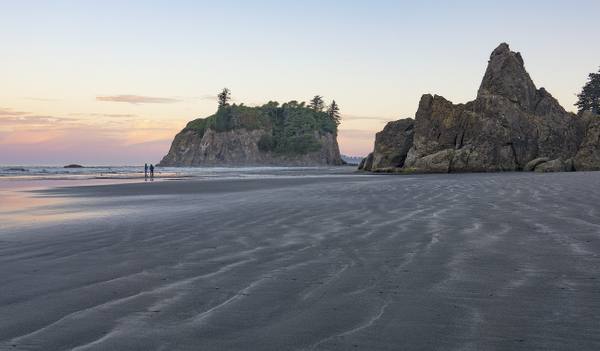
The Makah have lived at the northwest corner of the country, around Neah Bay and Cape Flattery, for thousands of years, hunting whales and halibut from cedar canoes. Some centuries ago a mudslide buried part of their village at Ozette, down the coast. In February 1970 a storm cut into the bank and exposed the houses, and over eleven years the Makah and archaeologists from Washington State University recovered more than 55,000 objects from them — harpoons, baskets, toys, a carved killer whale fin inlaid with sea otter teeth. The tribe opened the Makah Cultural and Research Center in Neah Bay in 1979 to keep them at home, and the dig was filled back in.
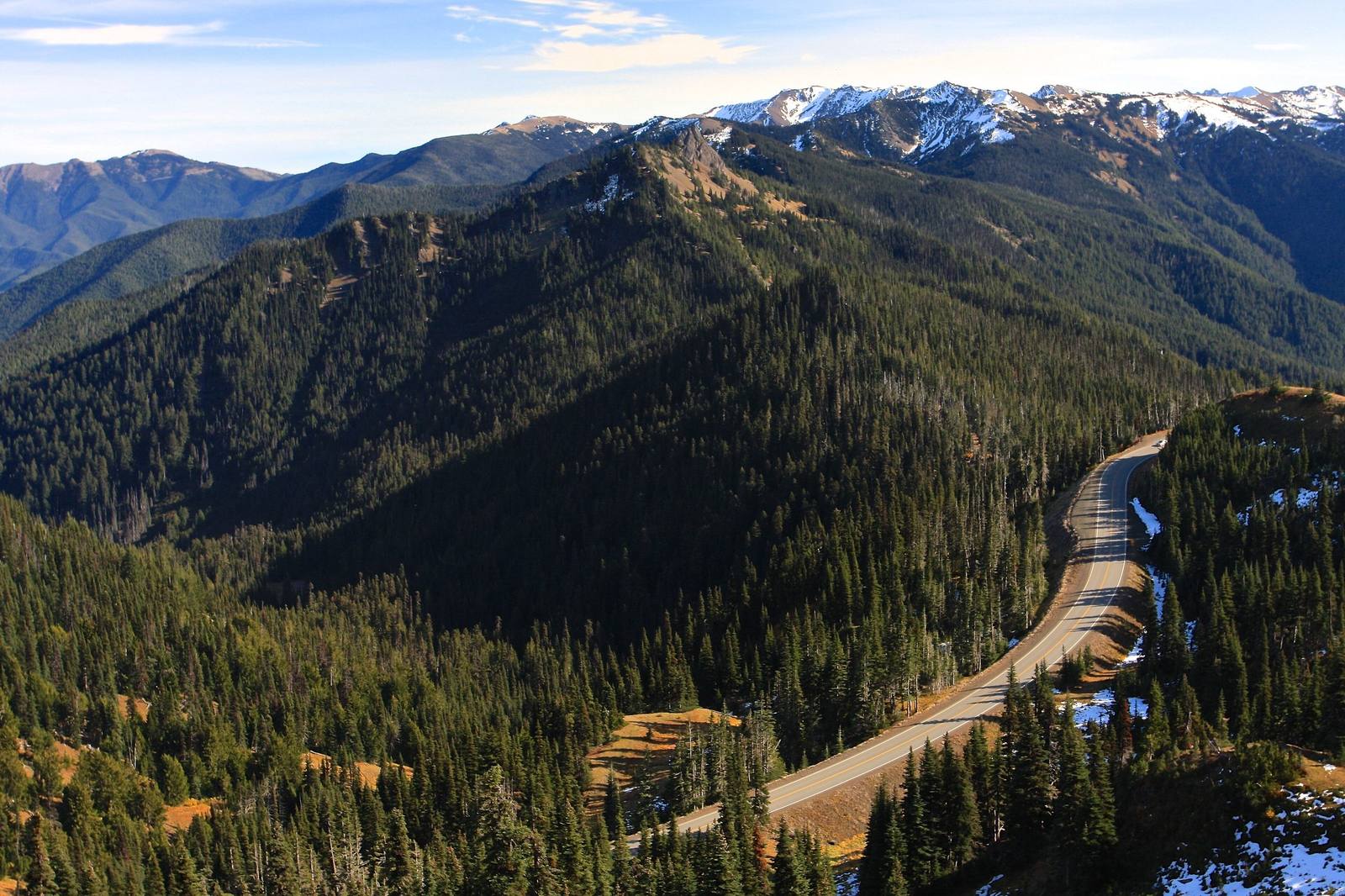
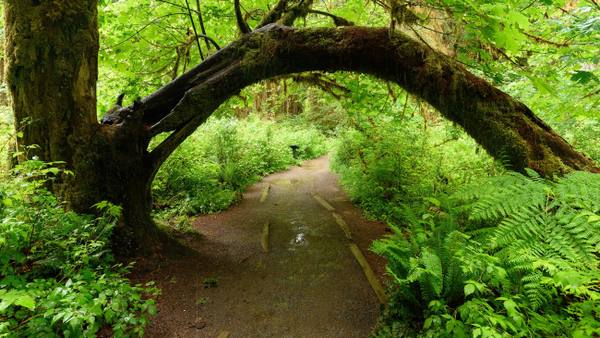
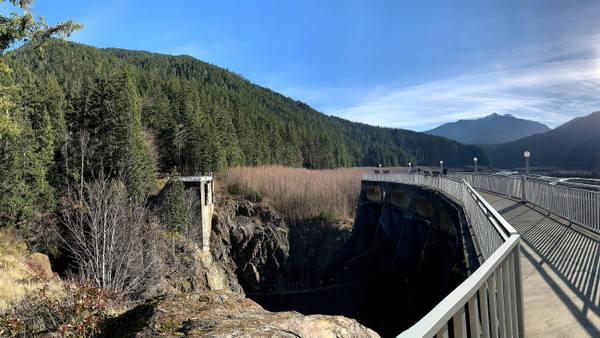
Inland, the Olympic Mountains wring the rain out of the Pacific, and on the west side valleys like the Hoh grow temperate rainforest of spruce and hemlock hung with moss. On the north side the Elwha ran for a century behind two dams built without fish passage, which flooded Lower Elwha Klallam homeland and cut the salmon off from the river. The tribe pushed for decades to have them taken out. Demolition began in September 2011; Elwha Dam was gone by March 2012 and Glines Canyon Dam by August 2014, the largest dam removal anywhere at the time, and salmon now run into the upper river again.
US-101 loops the peninsula and runs south past Grays Harbor and Willapa Bay to the mouth of the Columbia. On November 24, 1805, at a camp on the north shore near what is now Chinook, William Clark polled every member of the expedition on where to spend the winter, and wrote down the votes of York, the man he enslaved, and of Sacagawea. The camp stood beside a Chinookan trading village. The Chinook Indian Nation, whose people lived on both banks of the river mouth, won federal recognition in 2001 and lost it again in 2002.
What to See in The Olympic Peninsula & the Coast
5 places across the region, grouped by what they are.
Natural Areas
Historic Sites
Towns & Gateways
Scenic Drives through The Olympic Peninsula & the Coast
Stories from The Olympic Peninsula & the Coast
The Olympic Peninsula & the Coast rewards the unhurried. Pick a base, fan out, and let the country between the headline stops surprise you.
← Explore more of Open Road Guide