
Fort Worth & the Cross Timbers
Fort Worth Stockyards, the Kimbell and Cowgirl museums, Dinosaur Valley, Granbury's square, Acton, Chandor Gardens, Cleburne State Park and Dublin's soda plant.
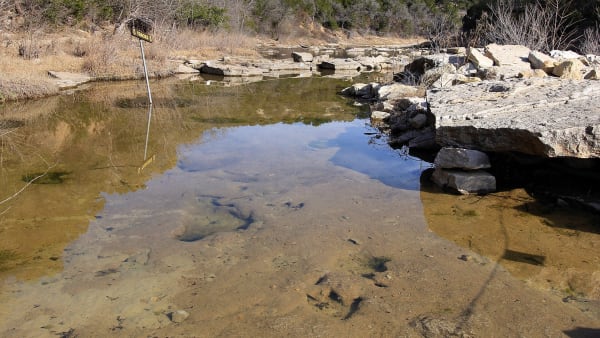
People probably ancestral to the Tonkawa lived along the Paluxy River for about 6,000 years, and Wichita groups and a Comanche band that wintered under the limestone bluffs came later. The Handbook of Texas puts Caddo, Cherokee and Tonkawa villages on Village Creek until General Edward Tarrant's 1841 attack; a treaty in 1843 moved them to the upper Brazos. Dinosaur Valley State Park keeps tracks made 113 million years ago.
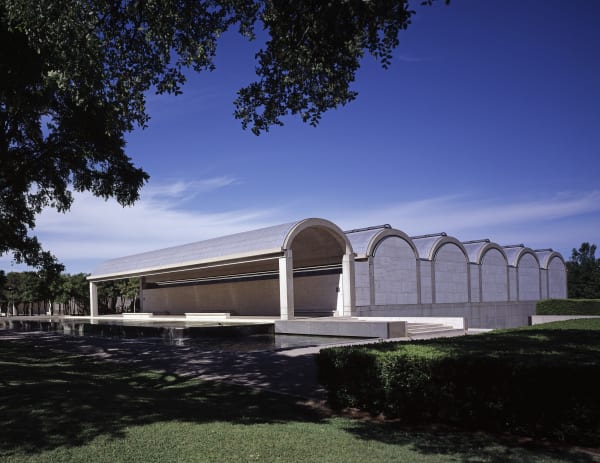
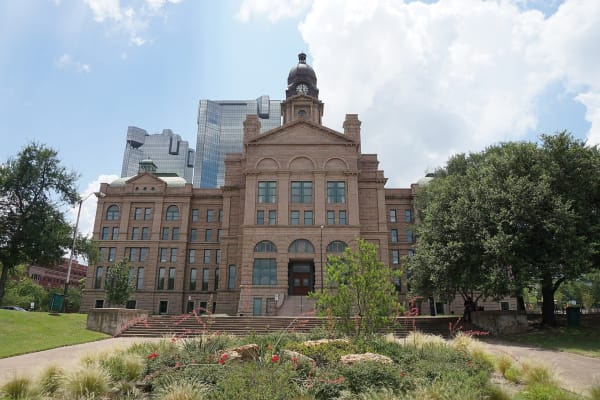
Fort Worth began as an Army post of 1849 on the bluff where the Tarrant County Courthouse of 1895 stands; voters ousted the commissioners who built it, over the cost. Cattle drives and the railroad made it Cowtown, and the Stockyards keep the brick streets, the Exchange Building and a daily longhorn drive. In the Cultural District, the Kimbell Art Museum is Louis Kahn's building of 1972, and the National Cowgirl Museum honors women of the West.
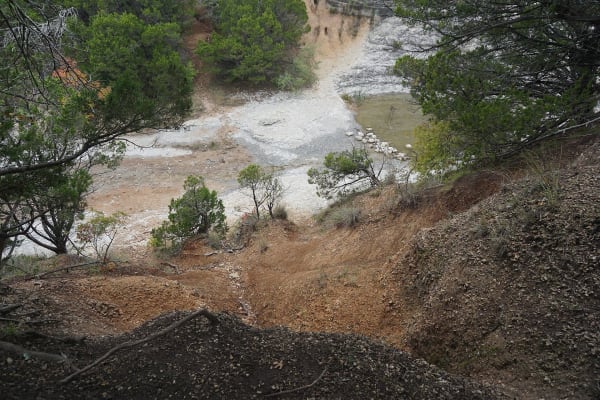
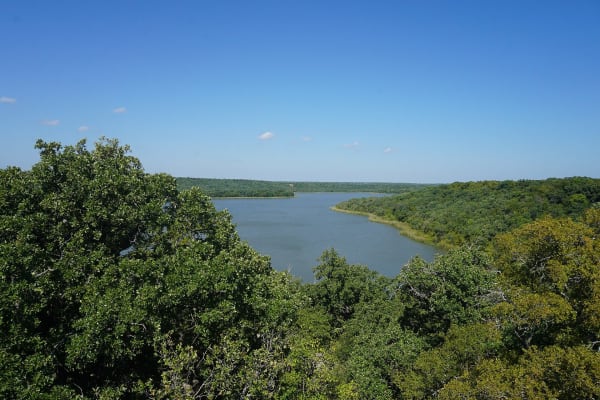
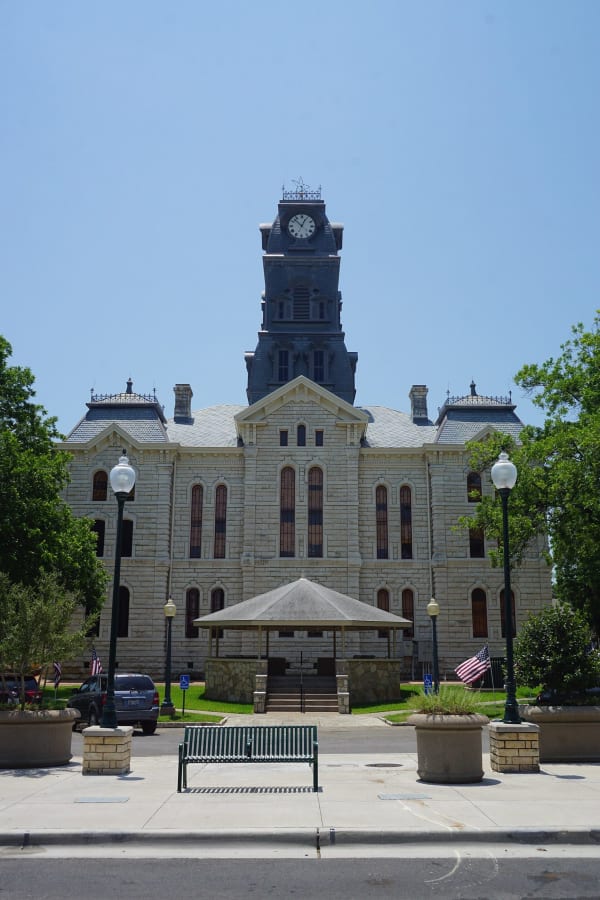
Granbury's limestone square, Decatur's granite courthouse and Acton's grave of Elizabeth Crockett lie to the southwest and north. Weatherford has Chandor Gardens, Cleburne a CCC park, and Mineral Wells a lake built in 1922 for a spa town's water, now a park with a 20-mile trailway. In Dublin, a bottling plant lost its Dr Pepper license in a 2012 settlement but still sweetens its sodas with cane sugar.
What to See in Fort Worth & the Cross Timbers
12 places across the region, grouped by what they are.
Natural Areas
Hikes & Trails
Historic Sites

Towns & Gateways

Architecture
Roadside Stops
Fort Worth & the Cross Timbers rewards the unhurried. Pick a base, fan out, and let the country between the headline stops surprise you.
← Explore more of Open Road Guide