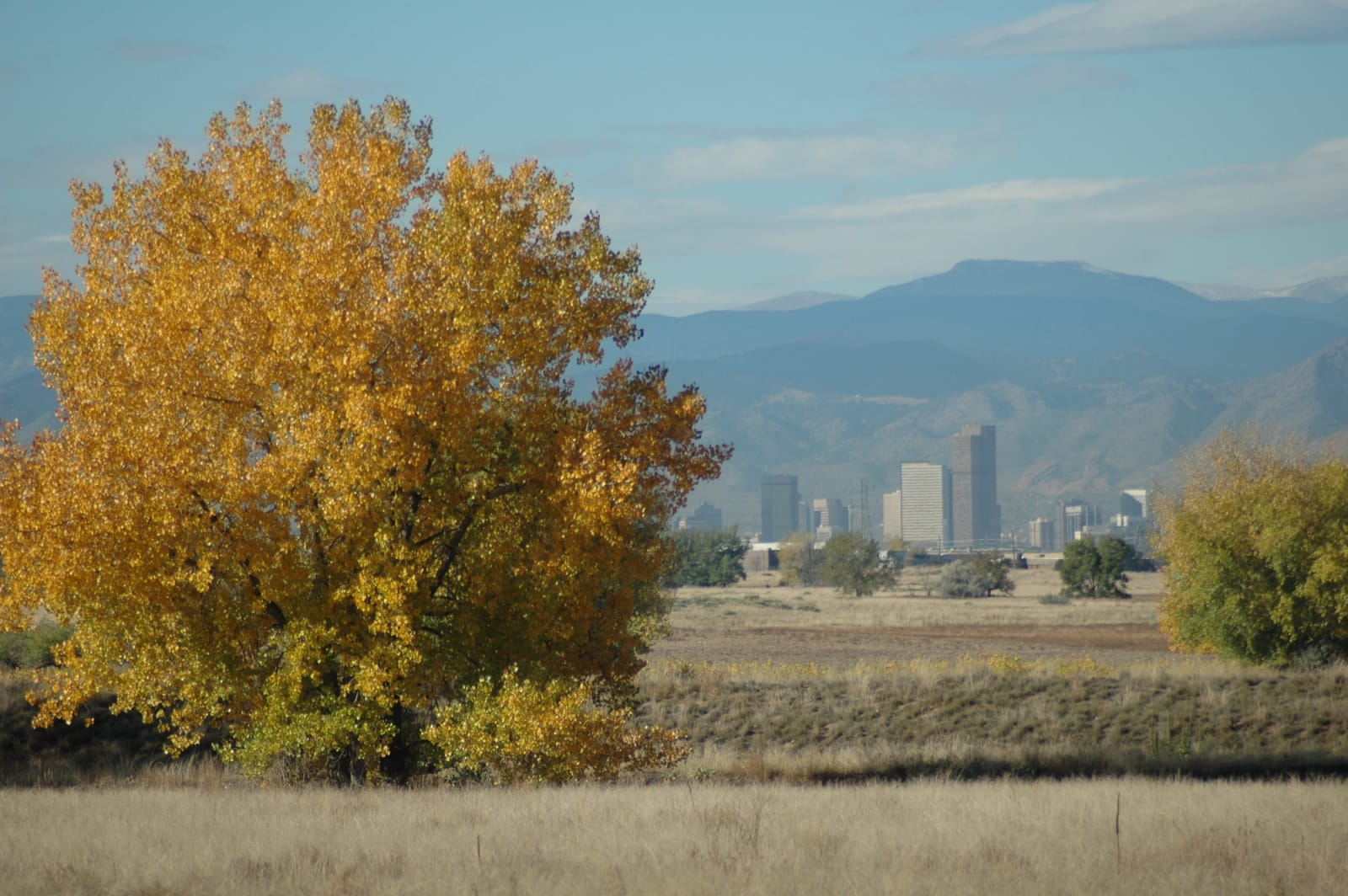
Denver & the Front Range
The Arapaho winter camp at the Platte, Gregory's 1859 lode, Left Hand and the governor's proclamation that led to Sand Creek, and the Georgetown Loop.
The bend where Cherry Creek meets the South Platte was a Southern Arapaho winter camp before it was Denver. Prospectors washed gold from the creeks there in 1858, and in May 1859 John Gregory found the lode in a gulch above North Clear Creek that started Central City and Black Hawk and turned a scattering of placer camps into a rush. The rival towns at the confluence merged under the name of James Denver, governor of Kansas Territory, and Denver became the territorial capital in 1867.
Left Hand, Niwot in his own language, wintered his band in the Boulder Valley and spent the gold-rush years arguing for peace. Prospectors who had promised to stay only a season laid out Boulder City on his camping ground in 1859, and he moved his people north rather than fight. On August 11, 1864, Governor John Evans authorized the territory's citizens to pursue and kill hostile Indians and keep their property, and the hundred-day regiment recruited in Denver that month rode to Sand Creek in November. Left Hand had camped there under the army's promise of safety and is generally believed to have died of wounds received in the attack. Niwot, Left Hand Canyon and Niwot Ridge carry his name across Boulder County.
Up Clear Creek the silver town of Georgetown sits two miles from Silver Plume and six hundred feet below it, and in 1884 the railroad closed the gap with the Georgetown Loop, a high bridge that carries the track back over itself as it climbs.
What to See in Denver & the Front Range
9 places across the region, grouped by what they are.
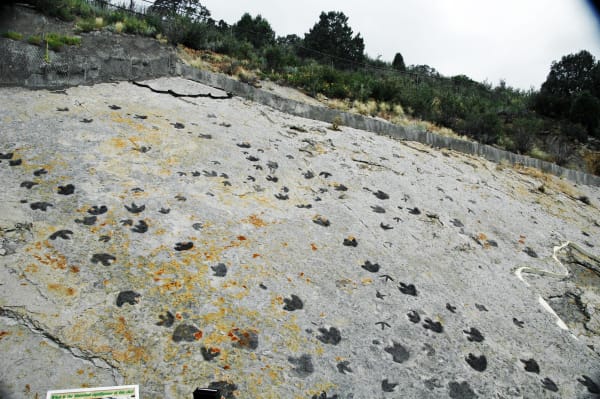
Geology & Rock Formations
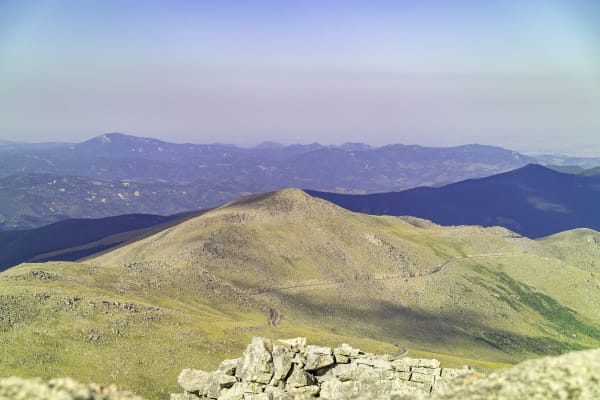
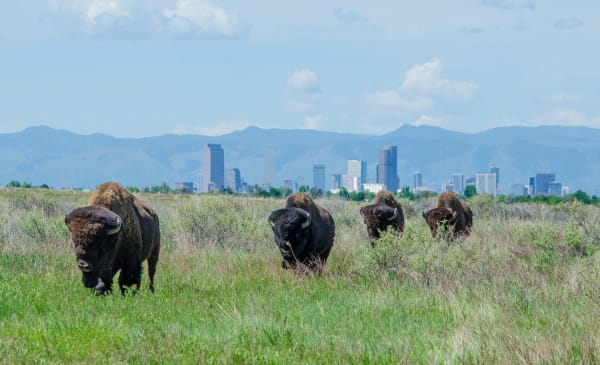
Natural Areas
Historic Sites

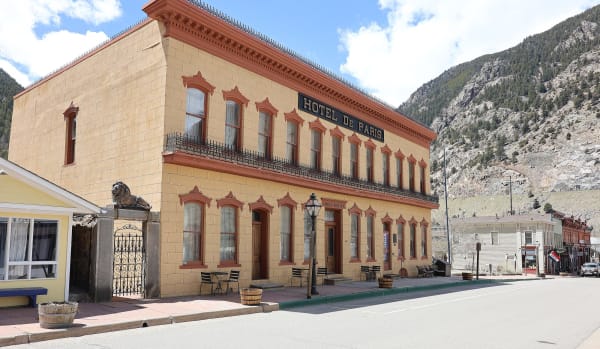
Towns & Gateways
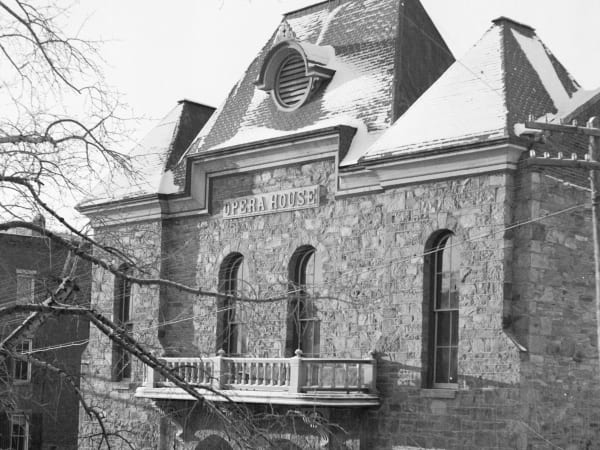

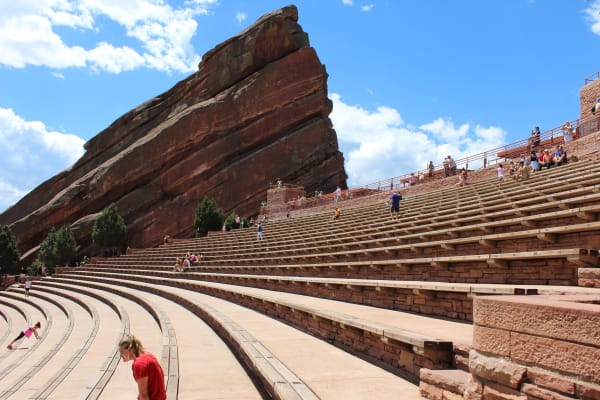
Architecture

Stories from Denver & the Front Range
Denver & the Front Range rewards the unhurried. Pick a base, fan out, and let the country between the headline stops surprise you.
← Explore more of Open Road Guide