Asheville & the Blue Ridge
Biltmore and Old Shiloh, the YMI, Connemara and Memminger's enslaved, Nina Simone's Tryon, the Marion strike, Chimney Rock and Craggy Gardens after Helene.
These mountains were Cherokee country. The boundary that Governor Tryon and Cherokee leaders agreed in 1767 ran past Tryon Mountain, above the town where Nina Simone was born, and in September 1776 Griffith Rutherford's militia crossed Swannanoa Gap on its march against the Cherokee towns. Native people bathed in the warm springs on the French Broad long before the drovers and grand hotels of Hot Springs.
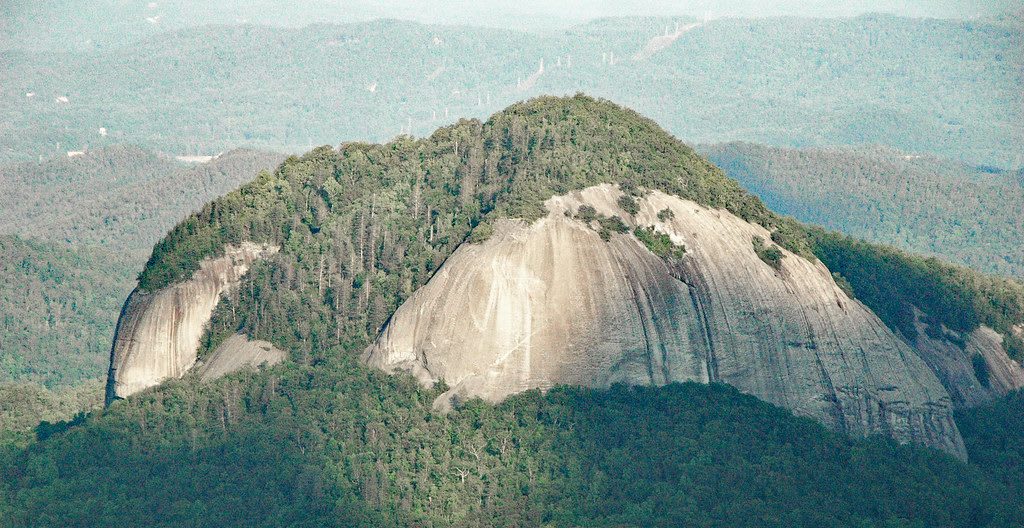
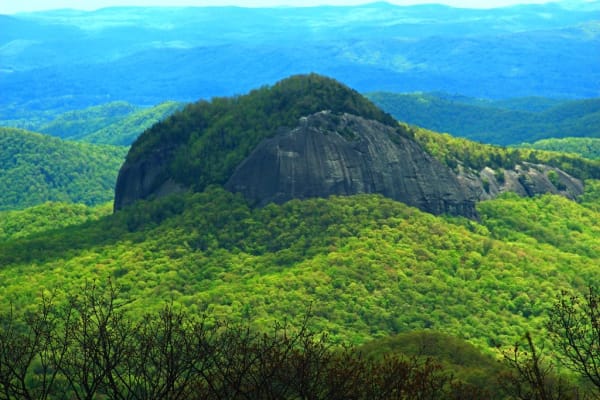
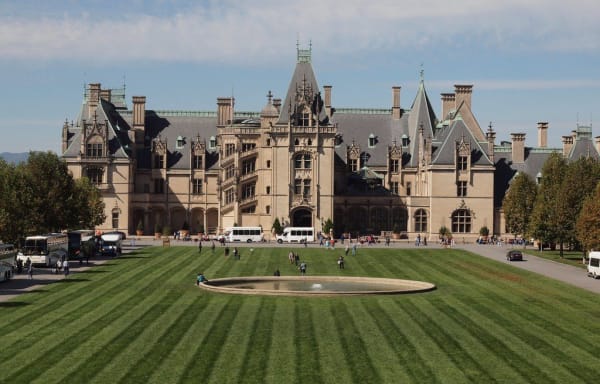
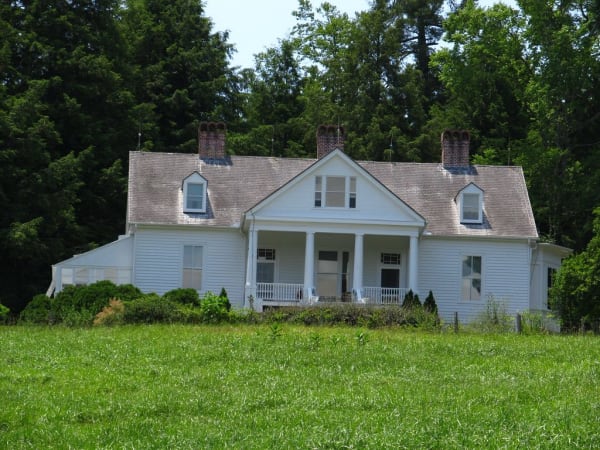
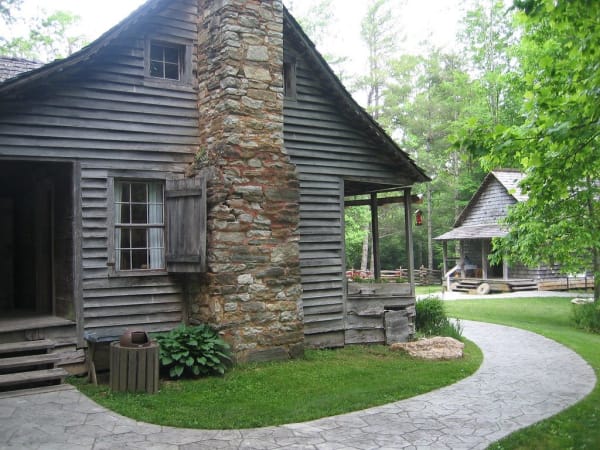
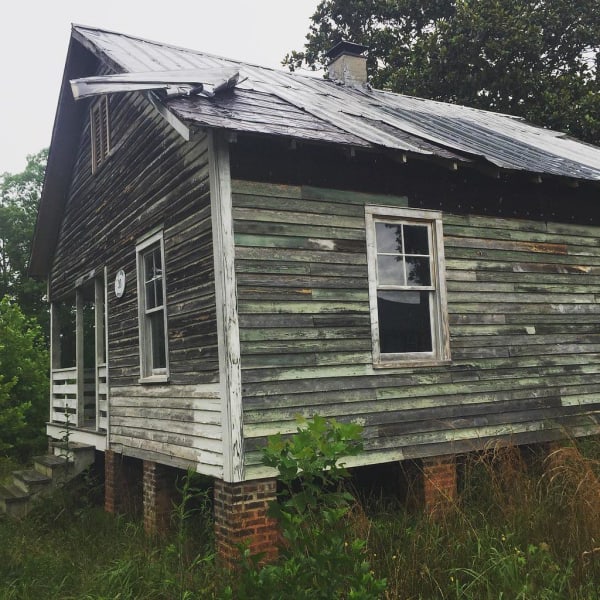
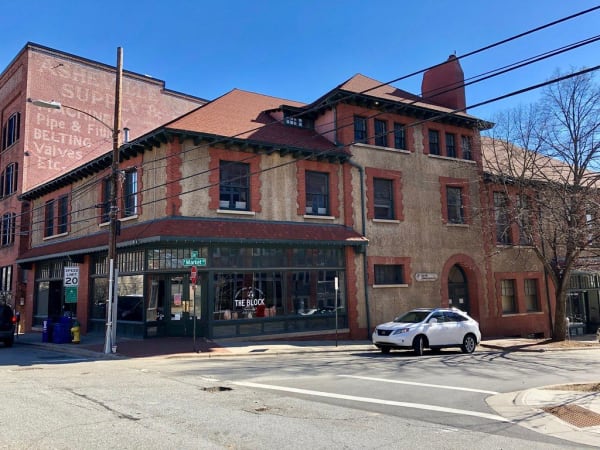
George Vanderbilt raised Biltmore on land bought from Shiloh, a community of freedpeople whose church, homes and graves the estate moved a mile away, and the Black men who built the house won a hall of their own downtown, the YMI. At Flat Rock, Christopher Memminger's Rock Hill, later Carl Sandburg's Connemara, was built in part by people he enslaved. In the Pink Beds, Carl Schenck trained the country's first foresters on land that became Pisgah National Forest, a few miles from the granite face of Looking Glass Rock.
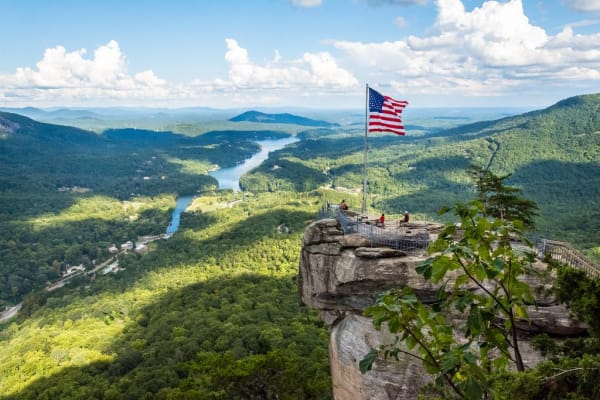
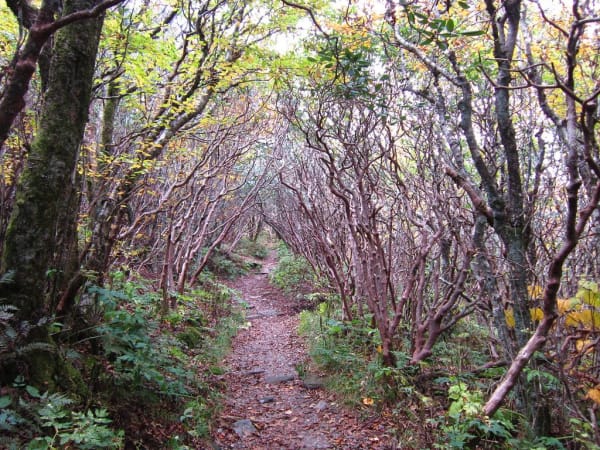
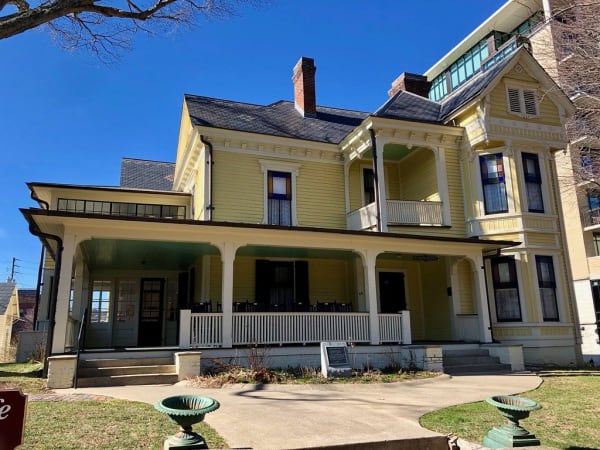
Thomas Wolfe turned his mother's boardinghouse into Dixieland, and in 1929 sheriff's deputies killed six striking mill workers in Marion. Helene's floods in 2024 wrecked the villages below Chimney Rock and the springs at Hot Springs; both are open again, but the Parkway north of Craggy Gardens is still partly closed.
What to See in Asheville & the Blue Ridge
11 places across the region, grouped by what they are.
Geology & Rock Formations
Natural Areas
Historic Sites
Towns & Gateways
Attractions
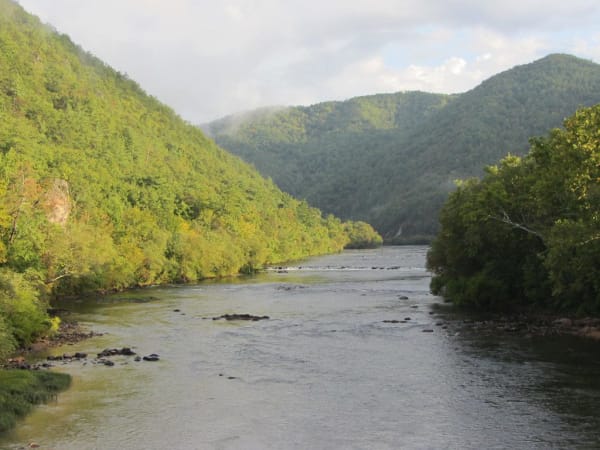
Scenic Drives through Asheville & the Blue Ridge
Asheville & the Blue Ridge rewards the unhurried. Pick a base, fan out, and let the country between the headline stops surprise you.
← Explore more of Open Road Guide