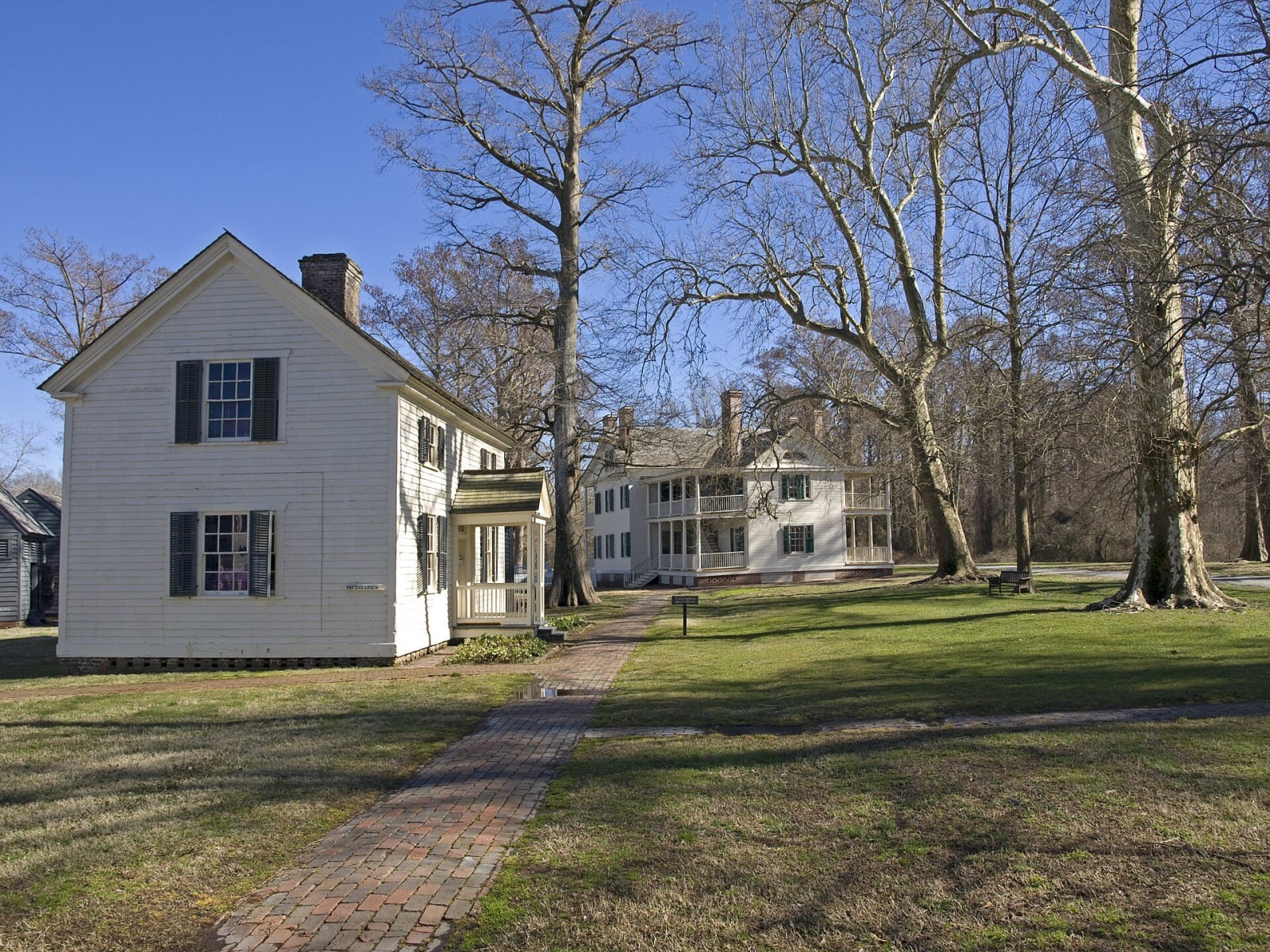
 Ymblanter / CC BY-SA 4.0 via Wikimedia Commons
The Story
In 1785 Josiah Collins of Edenton and his partners in the Lake Company set out to turn the swamp around Lake Phelps into a plantation, and they meant to do it with enslaved labor. About half the first enslaved workforce of 167 people were Africans brought straight from West Africa for the job, 80 of them, among them a man named Guinea Jack, his wife Fanny and a man named Quaminy, whose name meant born on Saturday. Others came from nearby counties or were skilled artisans from Edenton. They dug the canal from the lake to the Scuppernong River and cleared the land for rice and corn. Only 113 of the 167 were alive to be counted in 1790.
Over eighty years more than 861 enslaved people lived here, linked by kinship in a community of 26 houses. Resistance was punished hard. A man named Smart ran, was caught and was shipped to the West Indies for sale. Becky Drew ran, and was left in the stocks overnight in bitter cold until her feet froze and both legs had to be amputated. In 1853, after an alleged plot to poison the overseer, sixteen people were sold to a trader for the Deep South. When freedom came in 1865, nearly every family left by the end of that year.
The state site keeps 31 lakeside acres, seven original buildings and reconstructed homes of the enslaved and their hospital. On August 30, 1986, Dorothy Spruill Redford, a descendant who later managed the site, brought together hundreds of descendants of the enslaved community for the Somerset Homecoming.
Visitor Info
On the Map
Nearby
The closest stops worth working into your route
Historical markers nearby
Roadside plaques and monuments within a short detour