 Bureau of Land Management / public domain via Wikimedia Commons
The Story
Silver was found on War Eagle Mountain in the Owyhees in 1863 and 1864, and Silver City grew up in the steep gulch of Jordan Creek below it, above six thousand feet. This was Shoshone and Paiute country. In 1866 the territorial governor signed a treaty with the Bruneau Shoshone to get this mining ground; the Senate never considered it, and no one paid.
Within a few years the district counted some 250 mines and a dozen mills. Silver City took the county seat in the 1860s and hauled the Idaho Hotel up the road from rival Ruby City to prove it, and by the 1880s it held about 2,500 people. The Owyhee Avalanche, founded in 1865, became the territory's first daily newspaper after the telegraph reached town in the mid-1870s.
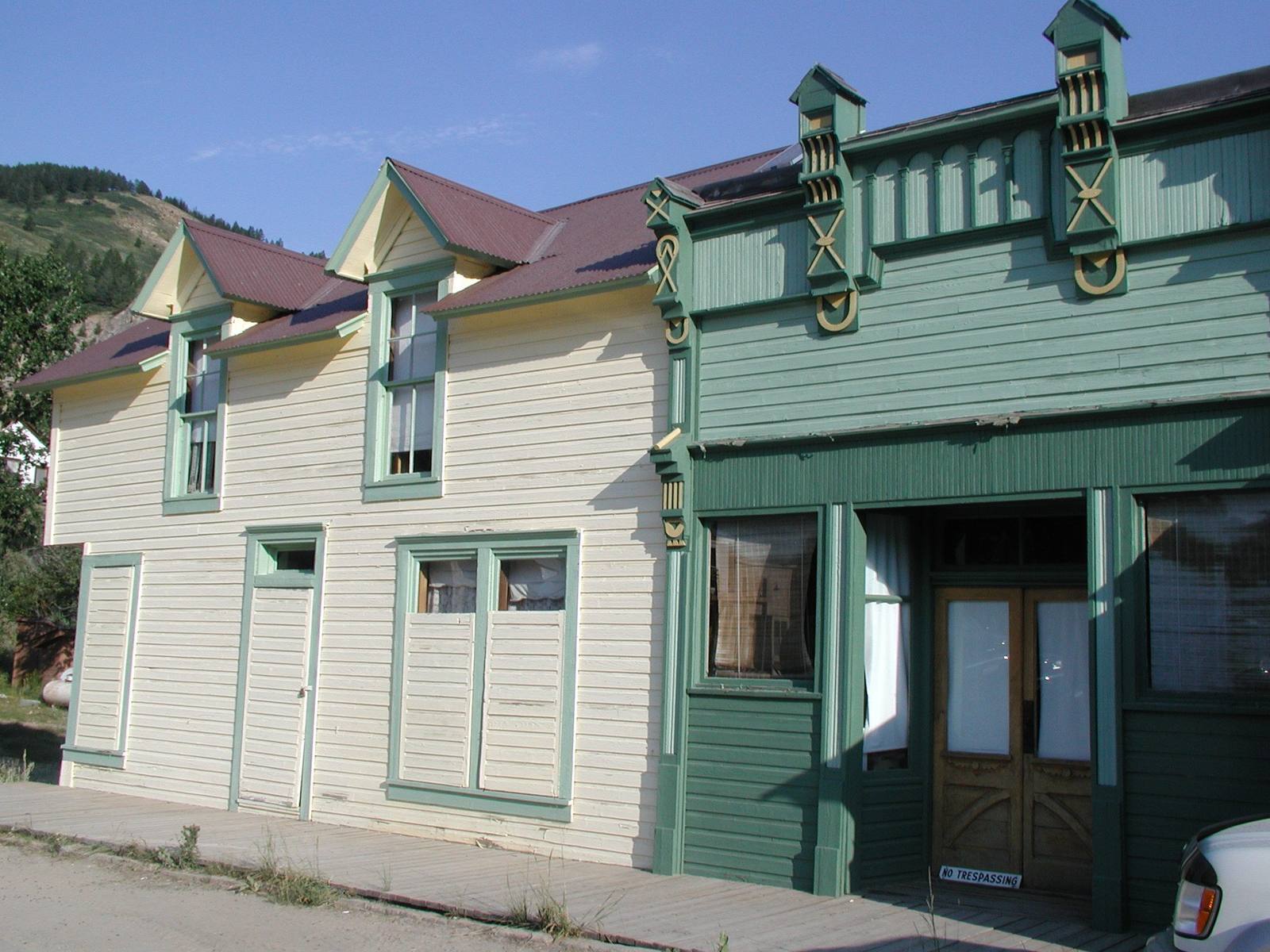
The rich ore gave out around the time Idaho became a state. The big companies shut down in 1912, the county seat moved to Murphy in 1934, and wartime rules closed the last mines in the 1940s. But Silver City never quite emptied. Some seventy-five buildings from the 1860s to the early 1900s still stand, many owned by descendants of the people who built them, who come up for the summer and leave before the snow closes the road. The Idaho Hotel takes guests again, and the town runs on twelve-volt power, the lights dim enough to belong to the century the buildings came from.
The name on the county and the mountains is an old spelling of Hawaii, left by Hawaiian trappers of the fur trade who went into these mountains in 1819 and never came out.
Visitor Info
On the Map
Nearby
The closest stops worth working into your route
Historical markers nearby
Roadside plaques and monuments within a short detour