 Carol M. Highsmith / public domain via Library of Congress
The Story
The Wiregrass takes its name from Aristida stricta, the long-stemmed grass of the longleaf pine forest that once covered this coastal plain. It was Creek country until the 1814 Treaty of Fort Jackson, and the first white newcomers were cattle drovers who turned semi-wild herds onto the wiregrass because it greened before any other forage. Farming came later and hard: thin sandy soil, small cotton patches, turpentine and timber for cash, and after the boll weevil, peanuts.
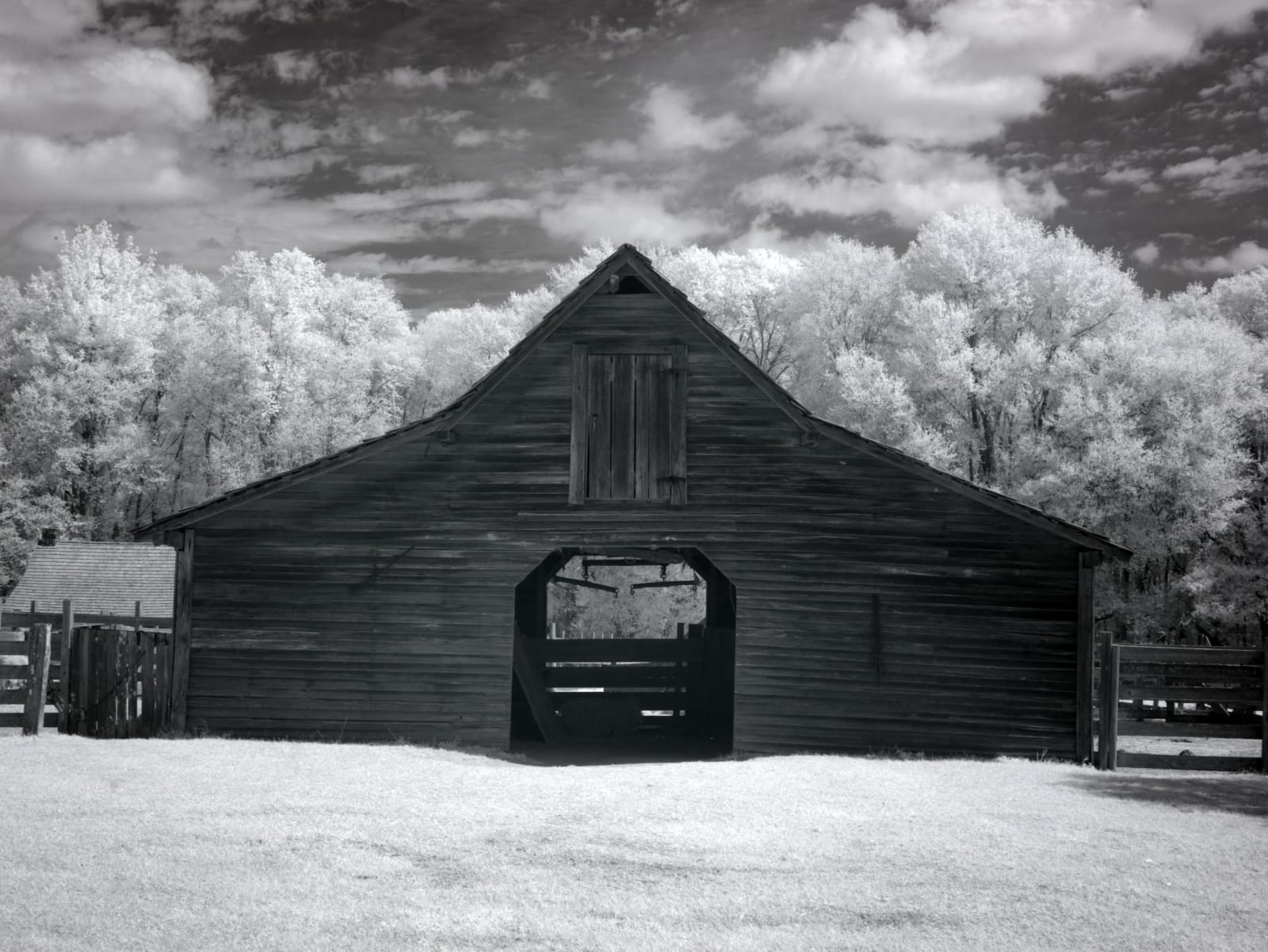
This park keeps that farm life. The Dothan Landmarks Foundation formed in 1976, the McFatter family gave the first fifty acres, and in 1978 the Waddell farmhouse was moved here from a Dothan crossroads to anchor the Wiregrass Farmstead, an 1890s farm with barns, animals and crops worked the old way. Other buildings followed from around the region: the 1908 Headland Presbyterian Church, the Shelley General Store from Tumbleton, the Brown's Crossroads one-room school from Dale County, a smokehouse from Geneva County and the Martin Drugstore. In 1992 the legislature named the park Alabama's official museum of agriculture.
Beyond the farm, an elevated boardwalk crosses wet woods to a beaver pond overlook, and nature trails, wildlife exhibits and a planetarium fill out the rest of the grounds. The spring farm day and the fall heritage festival bring out butter churning, weaving, spinning and old-fashioned cooking. The farmhouse, store, drugstore and interpretive center are ramped; some older buildings and sandy paths are not.
Visitor Info
On the Map
Nearby
The closest stops worth working into your route
Historical markers nearby
Roadside plaques and monuments within a short detour