 Carol M. Highsmith / public domain via Library of Congress
The Story
Jekyll sat where Guale country to the north gave way to Timucuan peoples to the south, and for thousands of years it saw seasonal camps of shellfish gatherers. In 1736 William Horton, an officer at Frederica, took a grant here and raised cattle, and the tabby walls of his house are among the oldest buildings in Georgia. The DuBignon family owned the island for most of the nineteenth century.
On November 28, 1858, half a century after the United States banned the importation of enslaved people, the Wanderer, a fast luxury yacht refitted as a slave ship for Charles Lamar of Savannah and his partner William Corrie, landed 409 captives here from the Congo River; 78 more had died on the crossing. Henry DuBignon Jr. arranged the landing, and within days the survivors were sold in Savannah, Augusta and beyond. A Savannah jury acquitted the men of piracy in 1860. The Wanderer Memory Trail now follows the survivors' story.
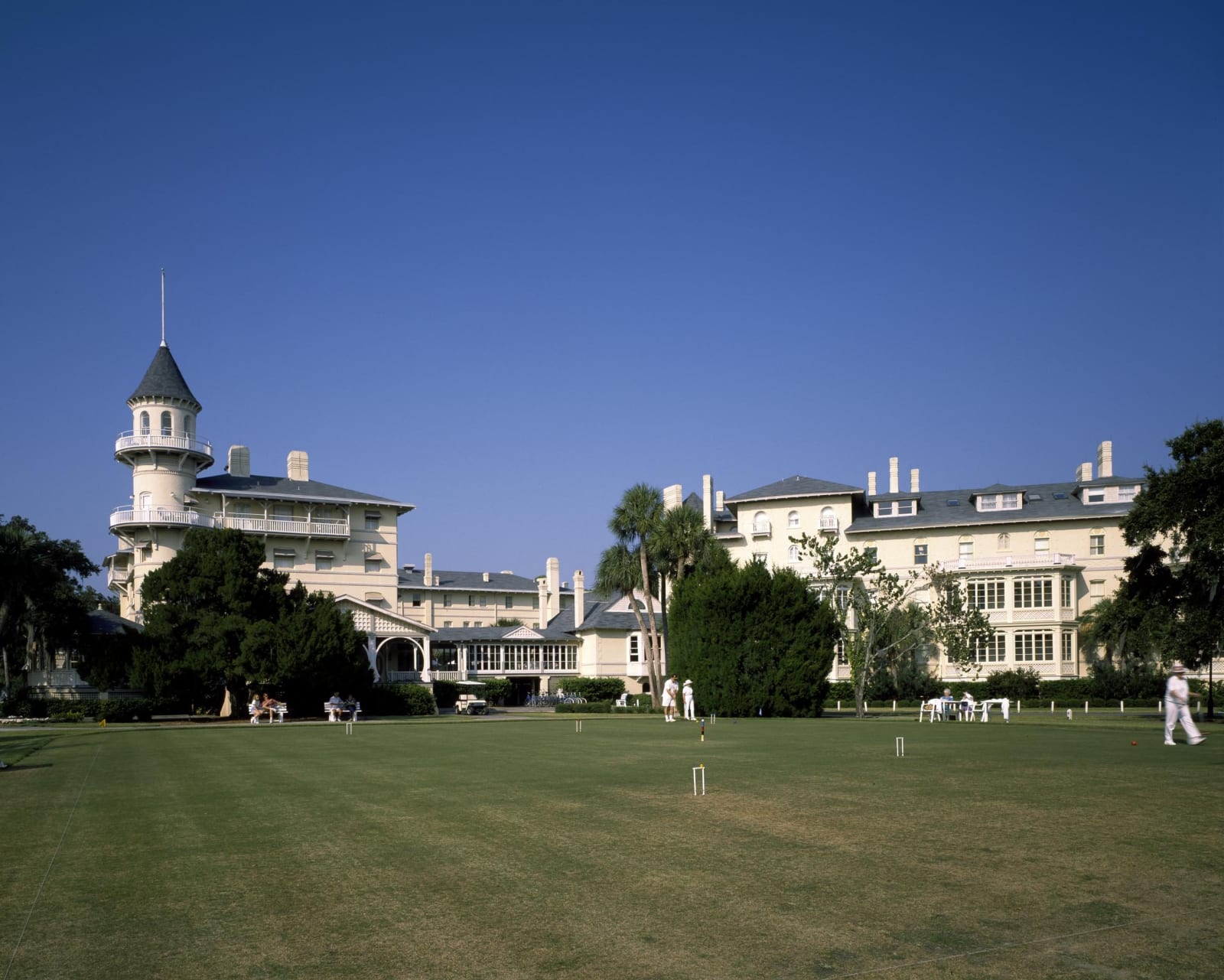
From 1888 to 1942 the island was the Jekyll Island Club, a winter retreat for the Morgans, Pulitzers and Vanderbilts, run by Black workers who by the 1930s made up more than three quarters of the staff and lived in the Quarters and Red Row. Georgia bought the island in 1947, and from 1950 St. Andrews Beach on the south end was the only stretch of the Georgia coast open to Black visitors, its Dolphin Club drawing Chitlin' Circuit acts, until the Civil Rights Act of 1964 opened every beach. Start at Mosaic, the island museum, then walk the cottages.
Visitor Info
On the Map
Nearby
The closest stops worth working into your route
Historical markers nearby
Roadside plaques and monuments within a short detour