 Willam Blackwell / CC BY-SA 4.0 via Wikimedia Commons
The Story
People have lived on this shore for at least 2,500 years. The Tchefuncte lived on Cane Bayou and were the first in Louisiana to make pottery in quantity; archaeologists recovered about 50,000 shards and the remains of 43 people, and the park was first called Chefuncta State Park in 1938 after them. The Acolapissa moved to Bayou Castine in 1702, fleeing raids by Chickasaw warriors working for British slave traders, and in 1739 they were taken in by the Houma. Choctaw families who stayed on the north shore were concentrated at Lacombe, and their name for Cane Bayou, Chela'Ha, means noisy.
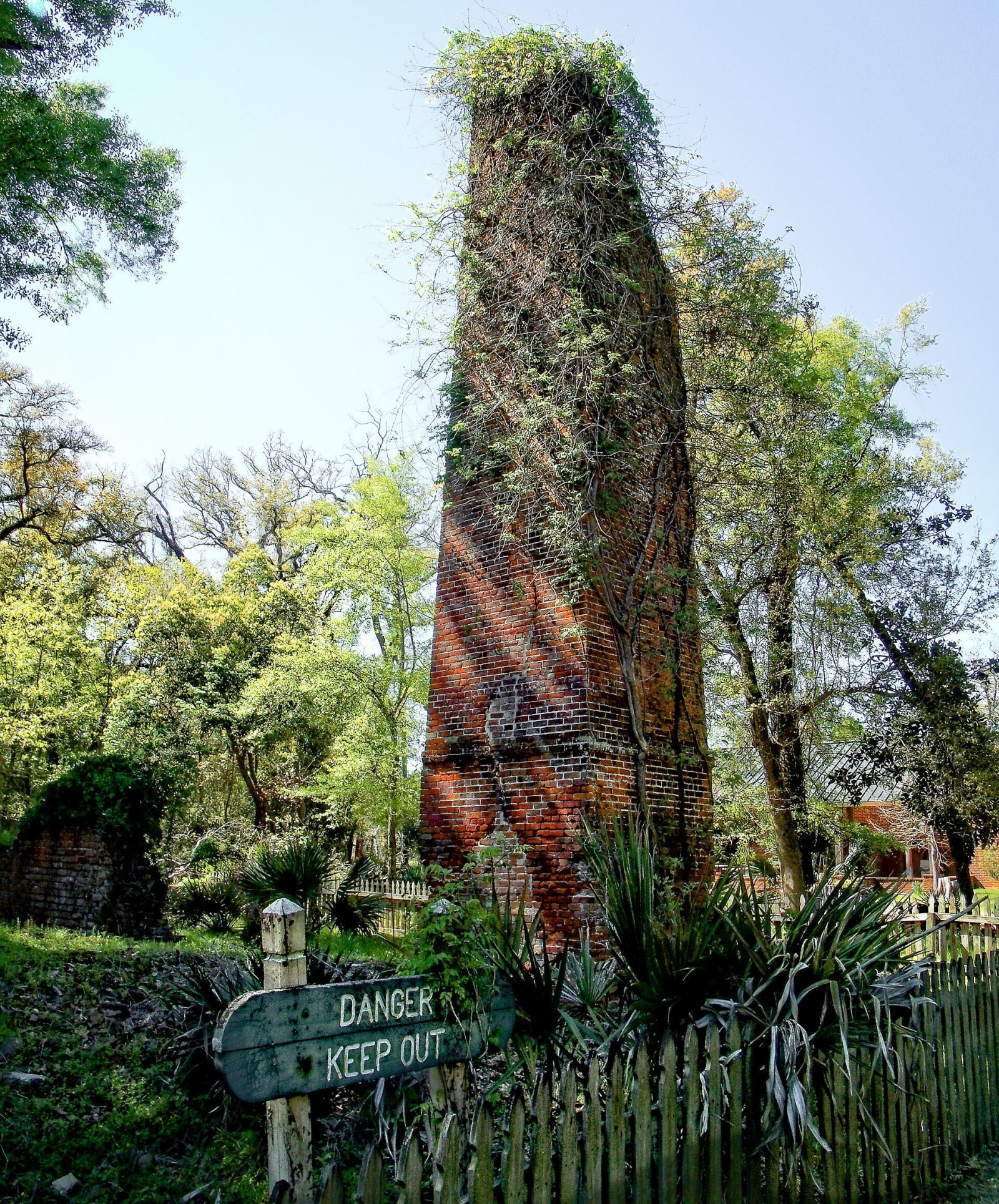
In 1829 Bernard de Marigny de Mandeville bought a cattle ranch here, named it Fontainebleau and built a sugar mill. A 1837 mortgage listed 98 people, and the 1840 census counted 153. They lived in twenty raised duplex cabins, as sugar makers, steam engineers, schooner crews and brickmakers; the kilns turned out hundreds of thousands of bricks that helped build New Orleans, and children fed cane into the presses. When the plantation was sold in 1852, 62 people went with it. Of 22 adult women named in 1837, only three were still there. The park names Ned Cordonnier, a shoemaker, Bonnine, a nursery maid, and Sam, who preached weekly and painted.
Fontainebleau State Park is 2,800 acres at 62883 Highway 1089 in Mandeville. The gate is open 7 a.m. to 9 p.m. daily and admission is $3, as listed in 2026. The sugar-mill ruin can be seen from the visitor center, and markers honor the enslaved and the Native peoples.
Visitor Info
On the Map
Nearby
The closest stops worth working into your route
Historical markers nearby
Roadside plaques and monuments within a short detour