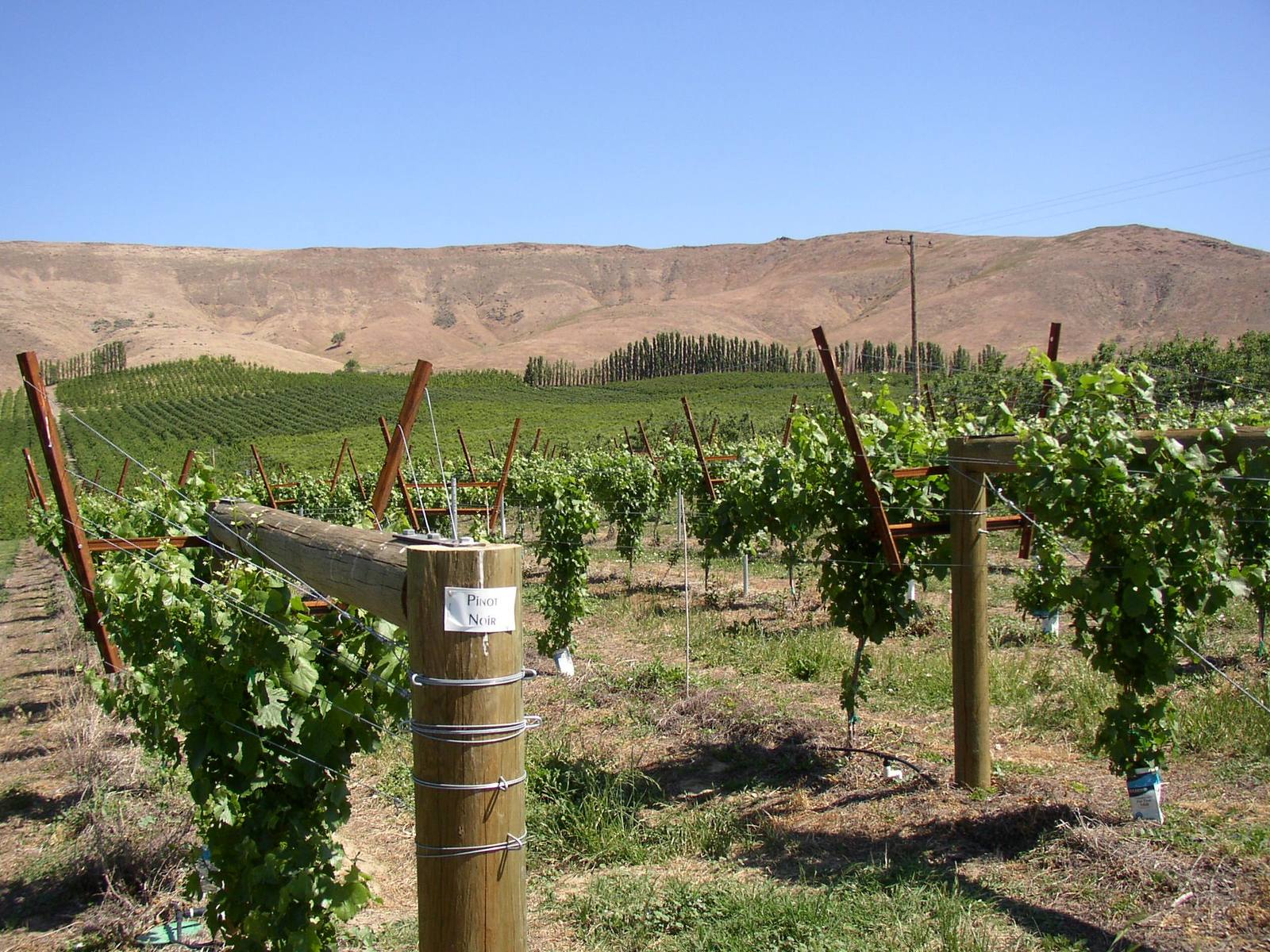
The Yakima Valley & the Tri-Cities
Yakama and Wanapum country — the 1855 treaty and the nation it made, the irrigated valley, Hanford's B Reactor and the towns it erased, and the meeting of the Snake and the Columbia.
On June 9, 1855, at the council held in the Walla Walla Valley, leaders of fourteen tribes and bands signed a treaty that ceded more than ten million acres and joined them, for the treaty's purposes, into one nation under the name Yakama, the spelling the nation took back in the 1990s. Their reservation, more than a million acres south of the city of Yakima reaching west to Mount Adams, is the largest land base of any tribe in the state. Within months miners crossing their country, and the treaty itself, had brought war, which lasted into 1858. Irrigation canals off the Yakima River later turned the valley's sagebrush into orchards, hopyards and vineyards.
In 1943 the Army condemned the farm towns of Hanford and White Bluffs, on the Columbia above Richland, and gave their people weeks to leave. The Wanapum, who never signed a treaty and had lived and fished along this reach of the river, lost access to it. In about thirteen months the Army and DuPont built B Reactor, the first full-scale nuclear reactor in the world. It started up in September 1944 and made the plutonium for the Trinity test and the bomb dropped on Nagasaki. B Reactor is now a unit of Manhattan Project National Historical Park, toured by reservation; much of the rest of the Hanford Site is still being cleaned up.
At the Tri-Cities, Richland, Kennewick and Pasco, the Snake comes in from the east and joins the Columbia, and in October 1805 Lewis and Clark camped at the confluence on their way down to the sea; the point is Sacajawea State Park. Northwest, up the Yakima, Ellensburg sits in the Kittitas Valley at the foot of the Cascades.
What to See in The Yakima Valley & the Tri-Cities
5 places across the region, grouped by what they are.
Geology & Rock Formations
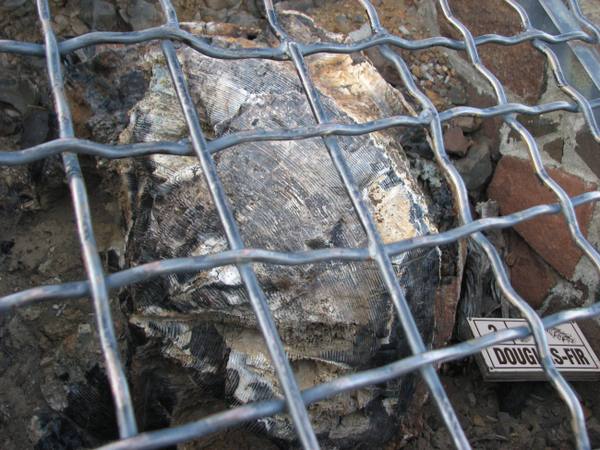
Natural Areas
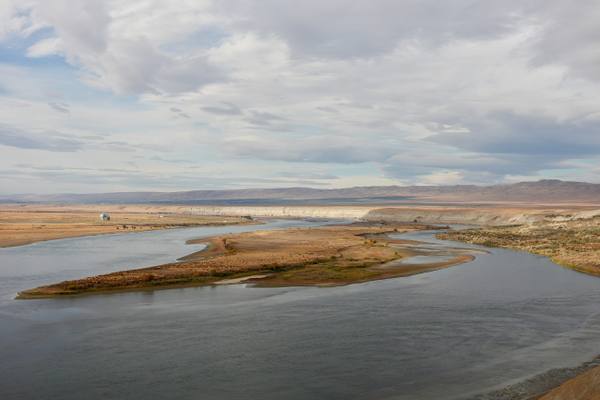
Historic Sites
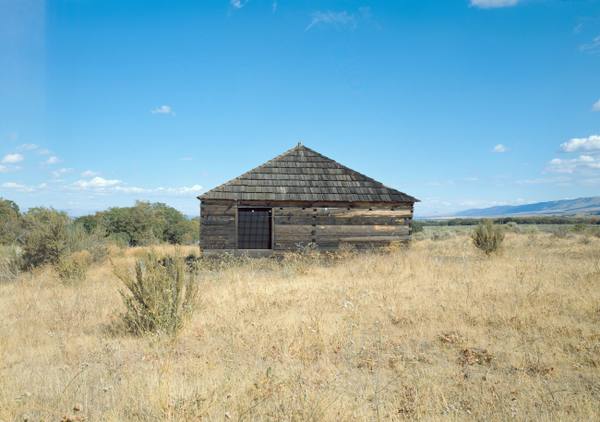
Towns & Gateways
Industry & Mining

Stories from The Yakima Valley & the Tri-Cities
The Yakima Valley & the Tri-Cities rewards the unhurried. Pick a base, fan out, and let the country between the headline stops surprise you.
← Explore more of Open Road Guide