Vidalia, Statesboro & the Inner Coastal Plain
Vidalia, Statesboro and the Inner Coastal Plain: Ohoopee Dunes, Big Hammock on the Altamaha, Willow Hill, King's first speech in Dublin and Vidalia's sweet onions.
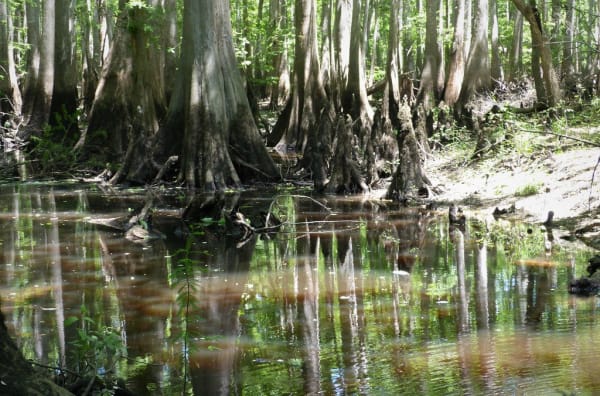
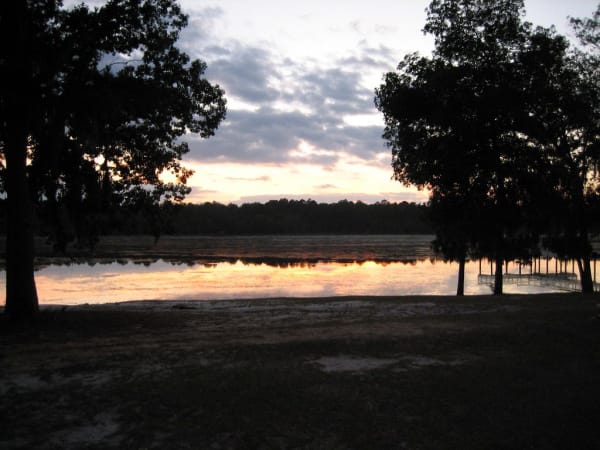
This was Lower Muscogee (Creek) country, ceded in pieces between 1773 and 1805. The Ocmulgee and Oconee meet near Lumber City to make the Altamaha, which takes in the Ohoopee at Big Hammock, where the Georgia plume that Bartram collected in 1773 grows thickest. Upstream, Ice Age winds piled the Ohoopee Dunes, and the CCC dammed the Little Ocmulgee into a lake with a beach of white river sand.
Cotton and slavery came with the settlers, and the reckoning is on view. Beside Statesboro City Hall a marker names nine Black men lynched in Bulloch County, Paul Reed and Will Cato burned alive in 1904. Near Portal, freed families opened the Willow Hill School in 1874 and voted in 1946 with a Klan cross burning outside. In Dublin, fifteen-year-old Martin Luther King Jr. gave his first public speech at First African Baptist Church in 1944.
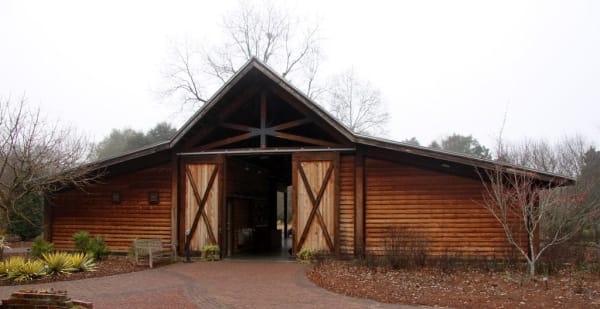
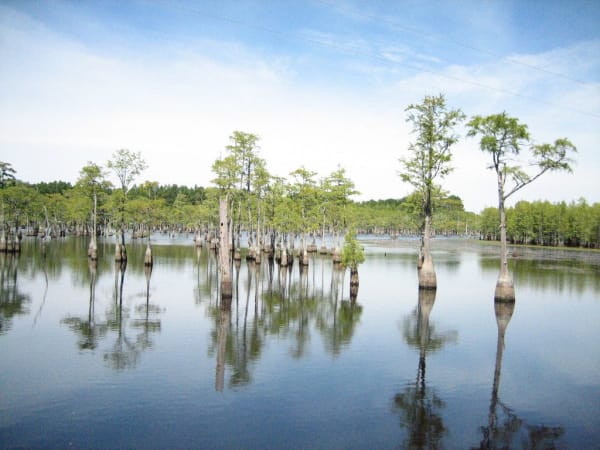
The rest is farm and river towns. The Vidalia Onion Museum tells of Mose Coleman's sweet onions and the crews who still pull them by hand. The Parrish Mill still grinds corn now and then at George L. Smith State Park, Hawkinsville, named for the Muscogee agent Benjamin Hawkins, keeps its 1908 opera house and its harness horses, and in Statesboro, Georgia Southern shows a mosasaur in its museum and keeps a botanic garden on an old farmstead.
What to See in Vidalia, Statesboro & the Inner Coastal Plain
11 places across the region, grouped by what they are.
Natural Areas
Historic Sites
Towns & Gateways
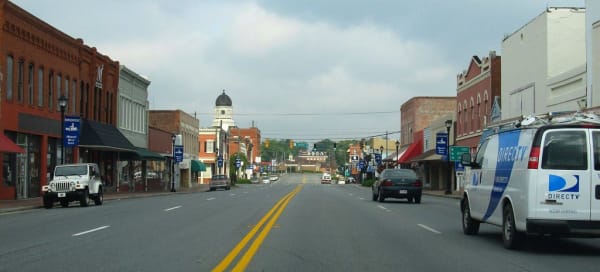
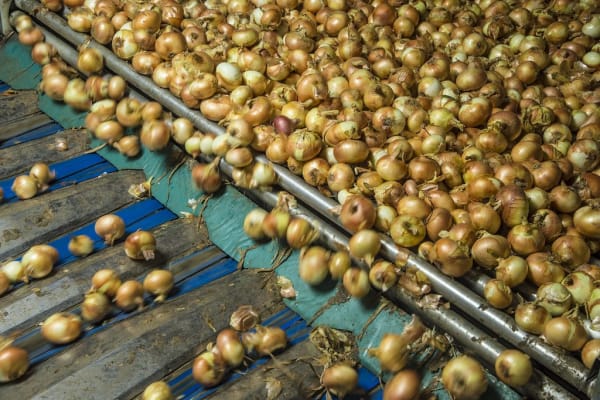
Vidalia, Statesboro & the Inner Coastal Plain rewards the unhurried. Pick a base, fan out, and let the country between the headline stops surprise you.
← Explore more of Open Road Guide