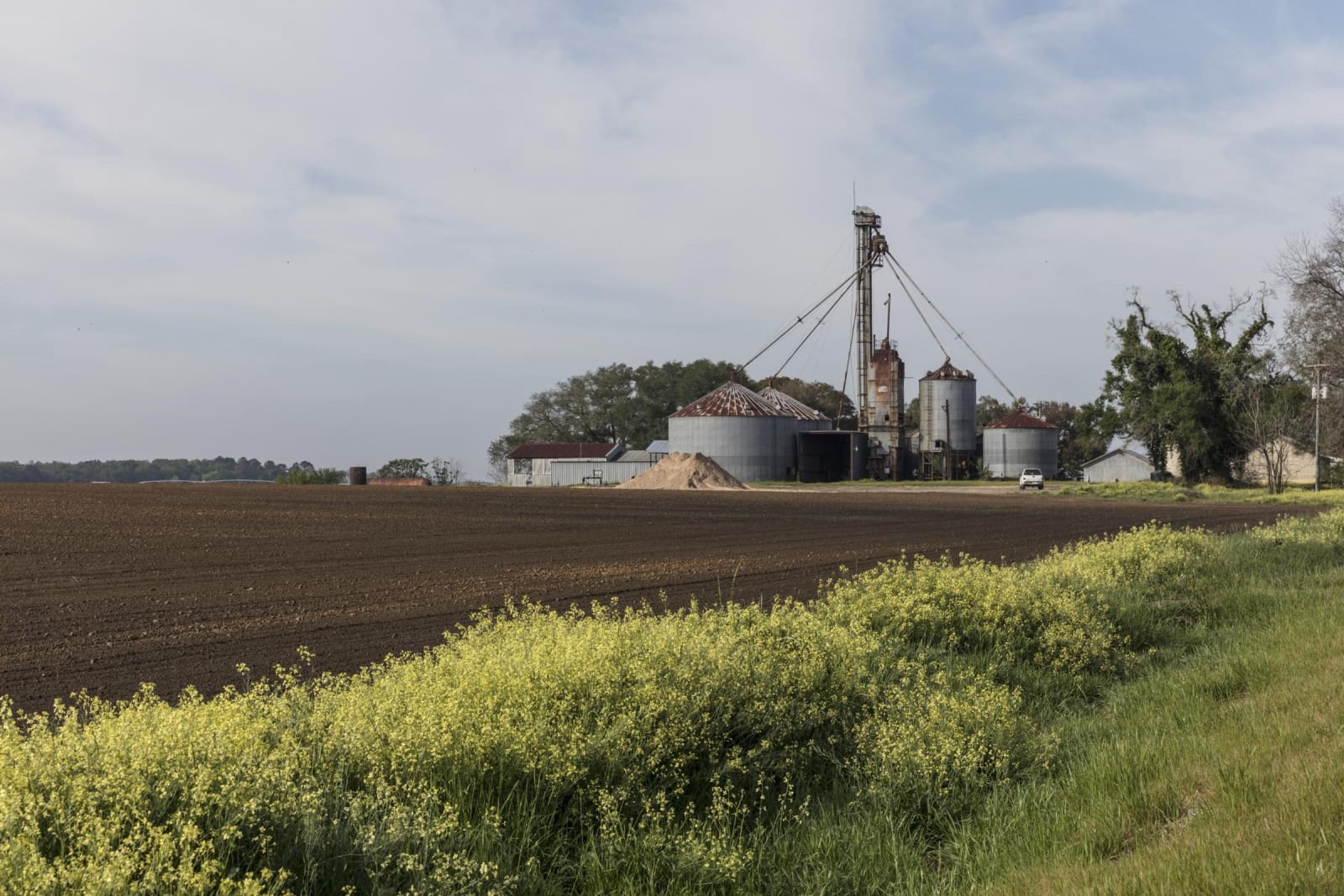
A freshly plowed field in Seminole County runs to a cluster of grain bins and an elevator, with yellow wildflowers along the roadside.
Carol M. Highsmith / public domain via Library of Congress
Georgia · Region

Thomasville, the Red Hills & the Flint

Thomasville, the Red Hills and the Flint: Seminole country on Lake Seminole, Pebble Hill, the Big Oak, the Camilla Massacre and Jackie Robinson's birthplace.

11 places to explore

The Seminoles grew from Lower Muscogee (Creek), Oconee and Yuchi towns that moved down this country in the 1700s, and Mikasuki people under Neamathla held Fowltown on the lower Flint until soldiers from Fort Scott burned it in 1817, opening the First Seminole War. The fort's site is now an island in Lake Seminole, beside the longleaf woods of Seminole State Park; upriver, Bainbridge's boat basin recalls the steamboats that carried cotton and turpentine to the Gulf.

Enslaved people outnumbered whites in Thomas County by 1860, and Pebble Hill Plantation tells their story and that of the Black workers on the quail estate that followed, among them the family of Jack Hadley. Henry O. Flipper was born in Thomasville, near the Big Oak and the winter cottages of the resort years, the Lapham-Patterson House the most eccentric of them. At Camilla in 1868 townsmen fired on Black marchers coming to a rally, and near Cairo Jackie Robinson was born to tenant farmers in 1919.

Fitzgerald began as a colony of Union veterans, and Tifton's agriculture museum keeps a turpentine still from the wiregrass pine woods. In February more than a million trout lilies bloom at Wolf Creek, and in winter vultures roost by the thousands at Reed Bingham.

What to See in Thomasville, the Red Hills & the Flint

11 places across the region, grouped by what they are.

Natural Areas
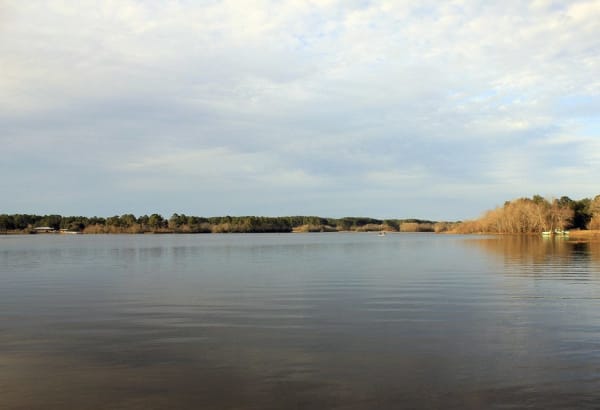
A calm lake under a pale winter sky, its far shore lined with low woods.

Reed Bingham State Park

Adel

A state park around a 375-acre lake near Adel, with a nature trail through cypress swamp, pitcher plant bog and sandhill, gopher tortoises and a winter roost of thousands of vultures.

View details →

Seminole State Park

Donalsonville

A state park of longleaf pine and wiregrass on a cove of Lake Seminole, the reservoir that drowned the junction of the Flint and Chattahoochee and the site of Fort Scott, where the First Seminole War began.

View details →
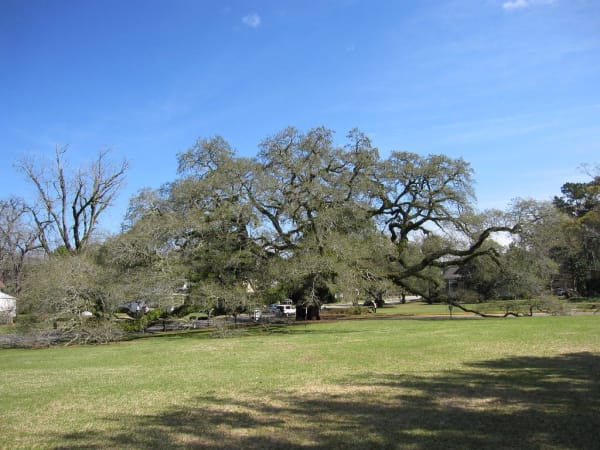
A huge spreading live oak with long low limbs over a mown lawn on a street corner, under a clear blue sky.

The Big Oak, Thomasville

Thomasville

A live oak about three and a half centuries old at Crawford and Monroe streets, a few blocks from the Broad Street of Thomasville's winter-resort years and the town where Henry O. Flipper was born.

View details →
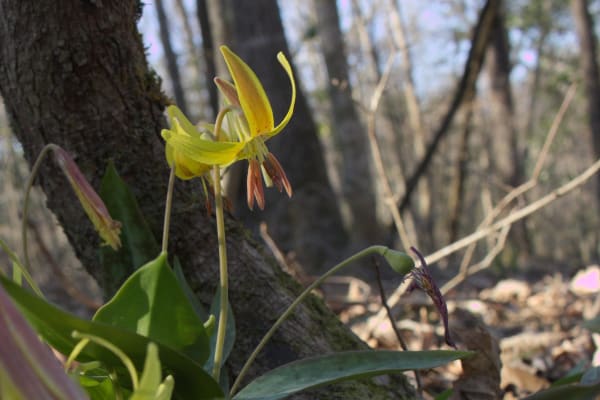
Nodding yellow trout lilies with mottled leaves at the foot of a tree in a bare winter forest.

Wolf Creek Trout Lily Preserve

Cairo

A 140-acre county preserve of beech-magnolia slope forest near Cairo where, in February, more than a million spotted trout lilies, the largest stand known, carpet a north-facing hillside.

View details →

Hikes & Trails

Earle May Boat Basin, Bainbridge

Bainbridge

A riverside park on the Flint at Bainbridge, Georgia's other inland port, where steamboats loaded cotton and turpentine for Apalachicola and a Mikasuki town once stood a few miles downstream.

View details →

Historic Sites

Birthplace of Jackie Robinson Marker, Cairo

Cairo

A Georgia Historical Society marker outside the library in downtown Cairo, with its twin on a county road thirteen miles south where Jackie Robinson was born to tenant farmers in 1919.

View details →

Blue and Gray Museum, Fitzgerald

Fitzgerald

A museum in the old railroad depot of Fitzgerald, the Colony City founded in 1896 by an Indianapolis pension lawyer as a home in the Georgia pines for aging Union veterans.

View details →

Camilla Massacre Marker

Camilla

A Georgia Historical Society marker on Broad Street in Camilla, where on September 19, 1868, white townsmen fired from the storefronts on Black marchers coming to a Republican rally, killing about a dozen.

View details →

Pebble Hill Plantation

Thomasville

A 3,000-acre Red Hills estate south of Thomasville: a cotton plantation worked by enslaved people from the 1820s, then a Cleveland family's quail-hunting retreat run by about a hundred Black and white workers.

View details →

Towns & Gateways

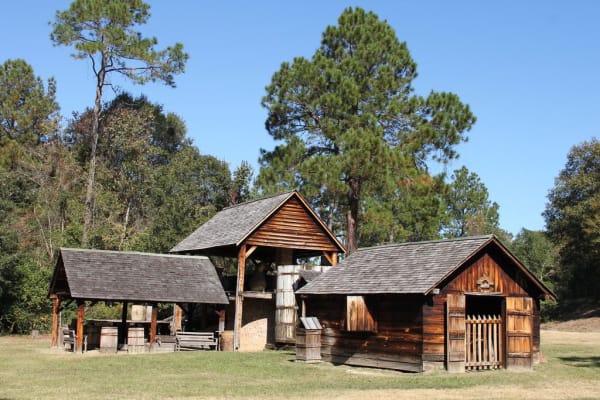
Weathered wooden sheds of an old turpentine still under tall pines.

Georgia Museum of Agriculture and Historic Village

Tifton

The state's agriculture museum in Tifton: a village of more than thirty-five moved and restored buildings from the wiregrass of the late 1800s, with a working gristmill, cotton gin, turpentine still and steam train.

View details →

Architecture

Lapham-Patterson House

Thomasville

A bright yellow 1885 Queen Anne winter cottage on Dawson Street, built for a Chicago shoe merchant who had survived the Great Fire, with an exit from every room and a stairway through its chimney.

View details →

Thomasville, the Red Hills & the Flint rewards the unhurried. Pick a base, fan out, and let the country between the headline stops surprise you.

← Explore more of Open Road Guide