Spokane & the Northeast
Spokane, Kalispel, Colville and Lakes country — the 1858 Wright campaign and Hangman Creek, Spokane Falls and Expo '74, Kettle Falls and the Ceremony of Tears, and Chief Joseph's grave at Nespelem.
In May 1858 Spokane, Coeur d'Alene and Palouse warriors turned back an army column under Colonel Edward Steptoe. That September Colonel George Wright marched north with some seven hundred men to punish them. After battles at Four Lakes and on the Spokane Plains, his soldiers spent two days shooting some eight hundred captured horses near what is now Liberty Lake and burned the tribes' stores of food. At his camp on Latah Creek, Wright had the Yakama warrior Qualchan hanged within minutes of riding in, and Palouse men after him, and the creek has been called Hangman Creek ever since. In 2020 Spokane renamed Fort George Wright Drive for Whist-alks, Qualchan's wife, a Spokane woman who rode out of the camp after his death.
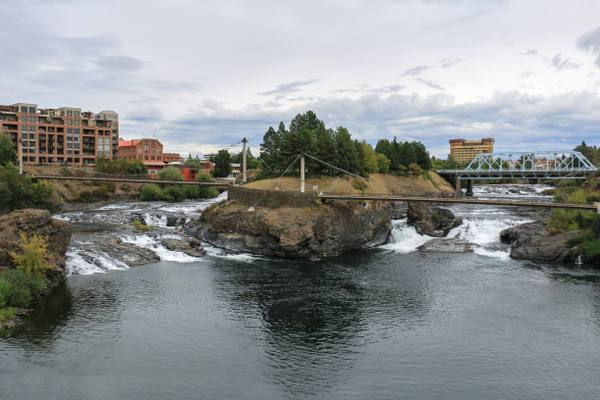
The Spokane River drops through the middle of the city in a run of falls. Railroads and mills crowded its islands until the city cleared them for Expo '74, the first world's fair with an environmental theme, and the fairgrounds became Riverfront Park, with the falls running through it.
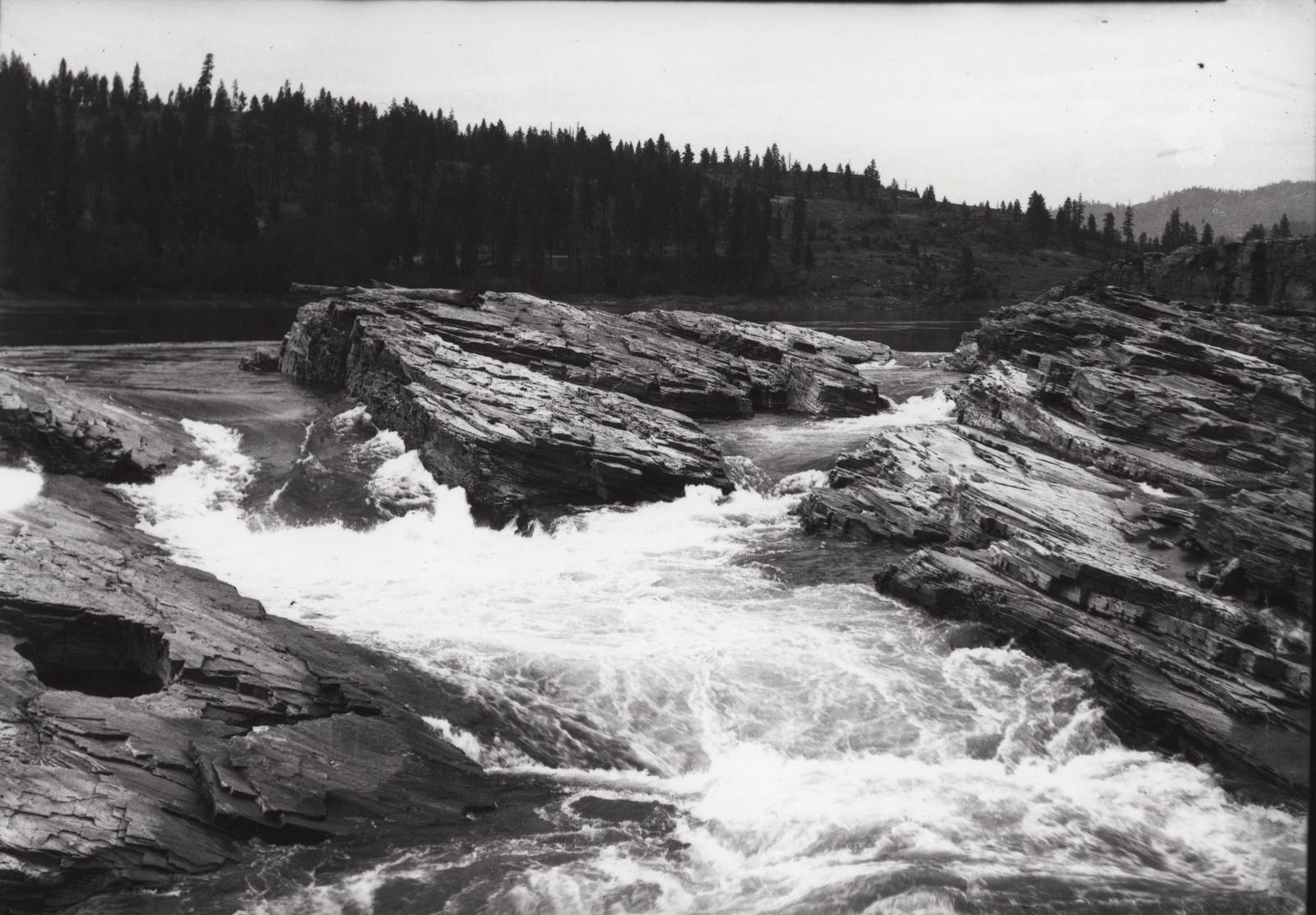
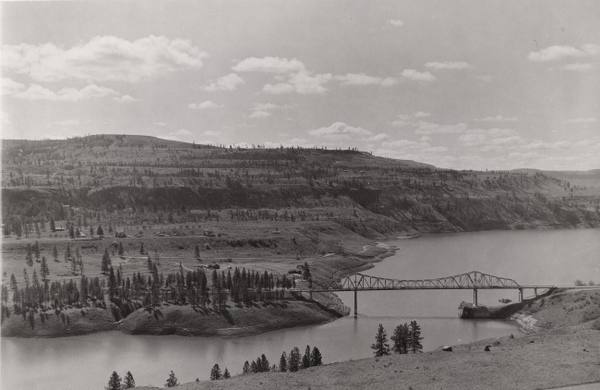
North, the Columbia once dropped through Kettle Falls, a salmon fishery second only to Celilo. In June 1940, weeks before Lake Roosevelt rose over it behind Grand Coulee Dam, the Colville tribes held a three-day Ceremony of Tears, attended by thousands from across the Northwest; the dam, built without fish passage, ended the salmon runs on the upper river. The Colville Reservation, across the Columbia, is home to twelve bands confederated there. Chief Joseph, sent to Colville in 1885 with part of his band and never allowed home to the Wallowa, died there in 1904 and is buried at Nespelem.
What to See in Spokane & the Northeast
5 places across the region, grouped by what they are.
Historic Sites
Stories from Spokane & the Northeast
Spokane & the Northeast rewards the unhurried. Pick a base, fan out, and let the country between the headline stops surprise you.
← Explore more of Open Road Guide