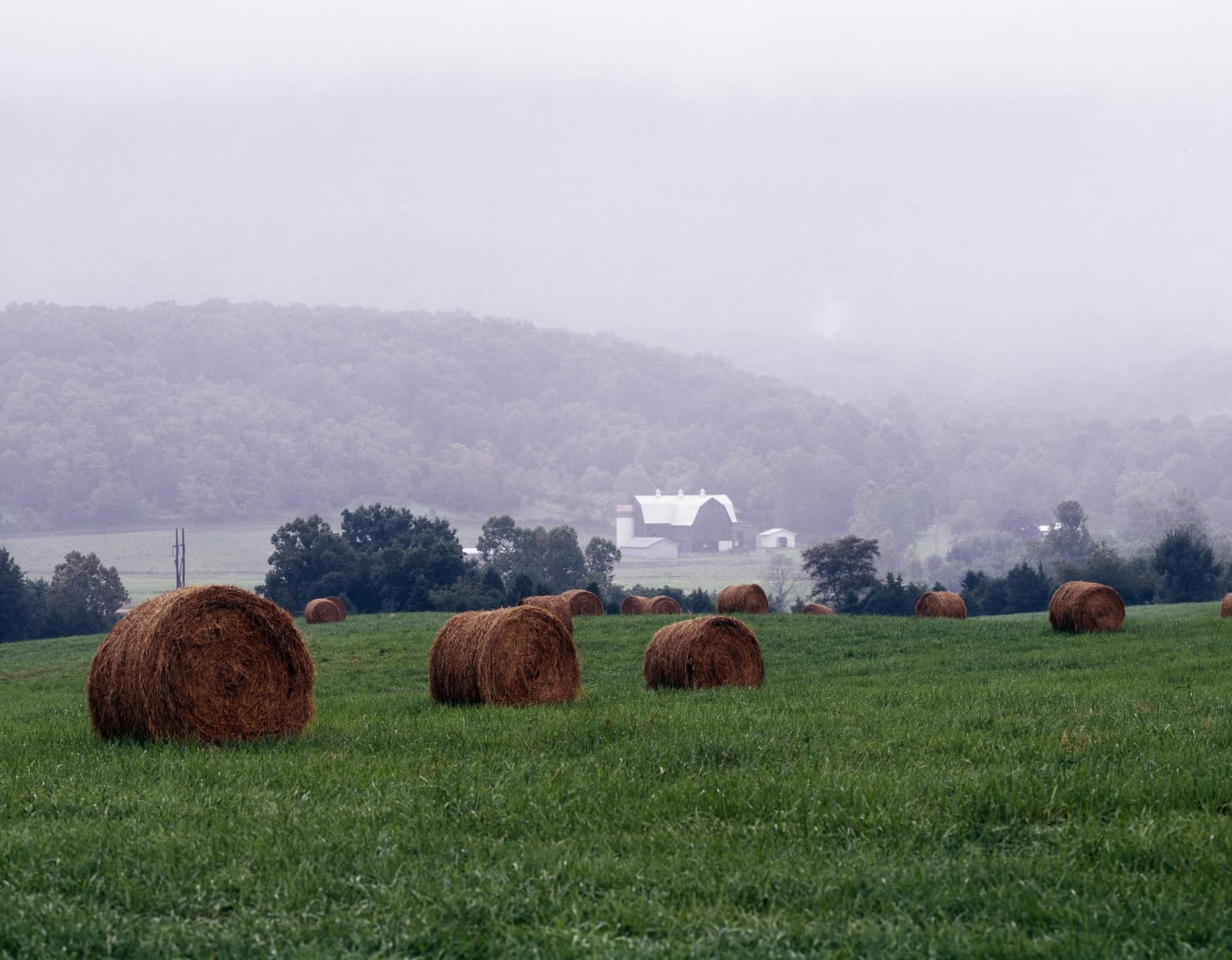
The Shenandoah Valley
Monacan Natural Bridge, Belle Grove's enslaved, New Market and Cedar Creek, Lexington's chapel, Skyline Drive, Luray Caverns and Patsy Cline's Winchester home.
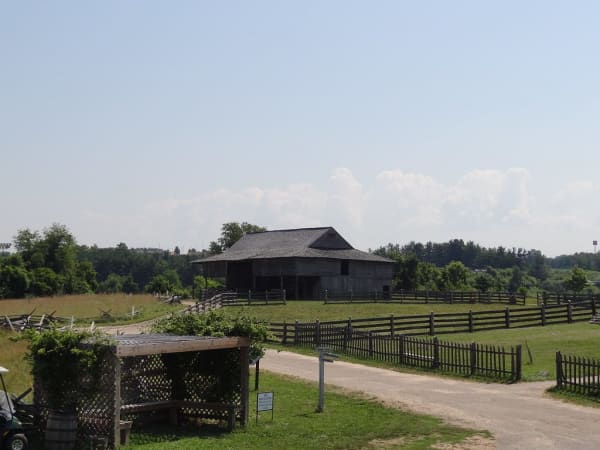
To the Monacan the stone arch over Cedar Creek is sacred, the Bridge of God their ancestors crossed to safety, and Natural Bridge State Park keeps a re-created Monacan village beside it. Settlers came up the valley in the 1700s, and the Frontier Culture Museum in Staunton rebuilds their farms beside an Igbo compound and an Eastern Woodlands site. Enslaved people worked many of those farms: at Belle Grove, near Middletown, the Hites held at least 276.
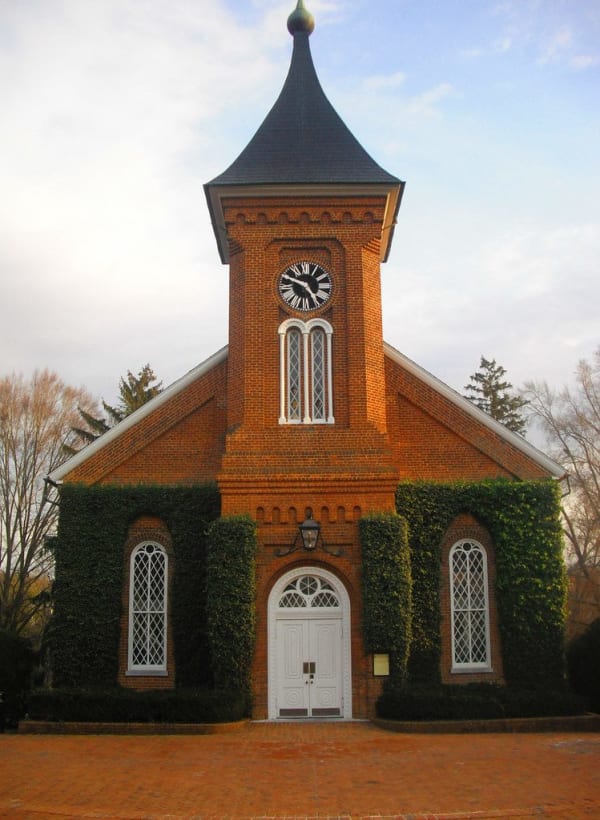
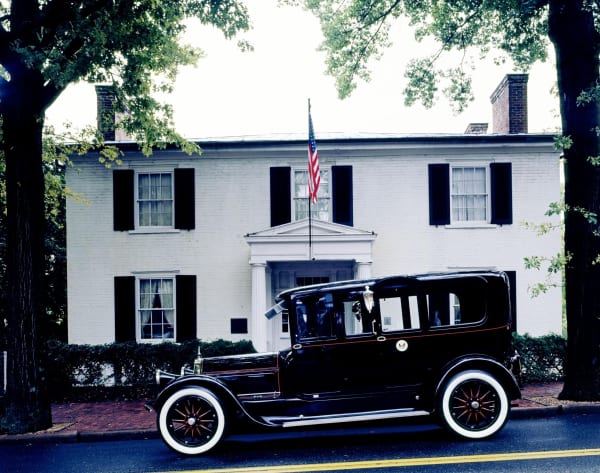
War crossed the valley twice in 1864, at New Market, where VMI cadets were sent into the line, and at Cedar Creek, where Sheridan's counterattack ended Confederate power here. In Lexington, University Chapel, once Lee Chapel, tells the Lost Cause it served and the people its college sold in 1836. Woodrow Wilson's birthplace in Staunton faces his segregation of the federal workforce, and in Harrisonburg the Lucy F. Simms School honors a teacher born enslaved on its ground.
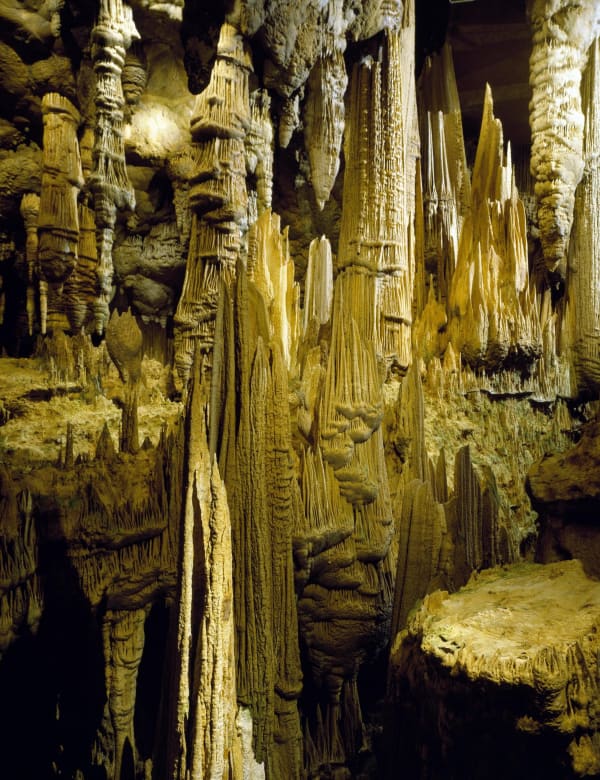
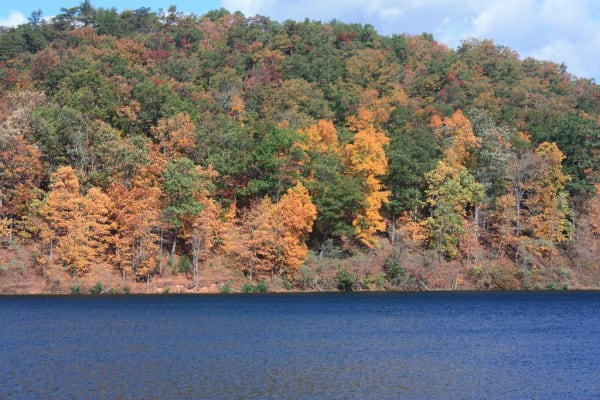
On the Blue Ridge, Skyline Drive runs through a park made by moving out some 465 families and first opened segregated. Luray Caverns lies below it, and to the west the Warm Springs Pools and Douthat's CCC lake sit in the Alleghenies. In Winchester, Patsy Cline's Kent Street house is where a poor teenager made herself a singer.
What to See in The Shenandoah Valley
12 places across the region, grouped by what they are.
Geology & Rock Formations
Natural Areas
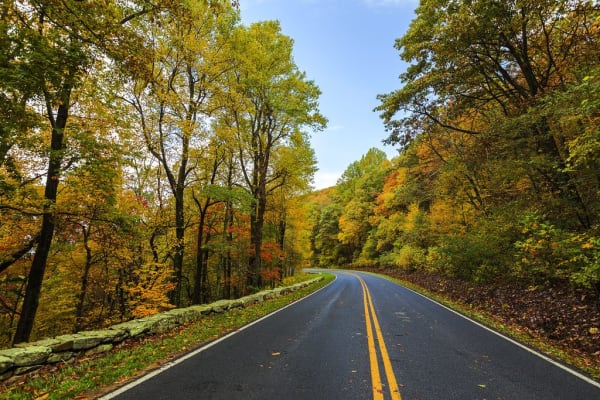
Historic Sites


Towns & Gateways

The Shenandoah Valley rewards the unhurried. Pick a base, fan out, and let the country between the headline stops surprise you.
← Explore more of Open Road Guide