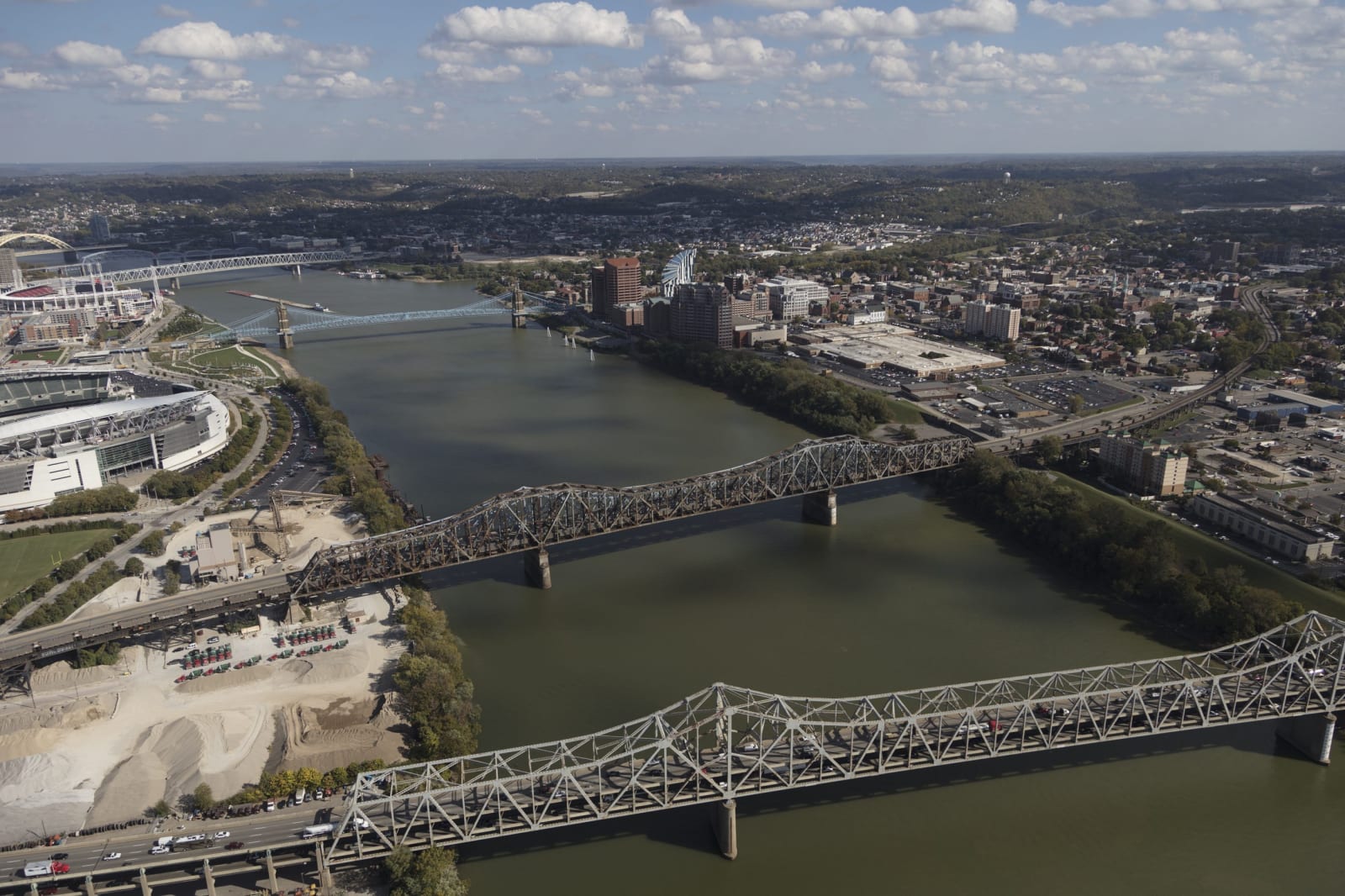
Northern Kentucky & the River Towns
Ohio River country from Covington to Vanceburg: Big Bone Lick, the Blue Licks battlefield, Maysville and Old Washington, and the crossings people made to freedom.
Long before the river towns, people came to the salt springs at Big Bone Lick, where Clovis hunters, and later Woodland and Fort Ancient peoples, came for salt among the bones of mastodons. This was Shawnee hunting country, and the Shawnee fought for it. At Blue Licks in August 1782 their warriors and allies ambushed the Kentucky militia at the Licking River ford, two years after George Rogers Clark burned their towns north of the Ohio.
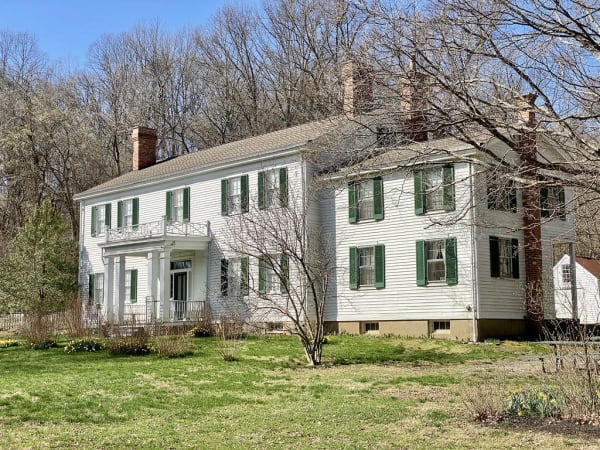
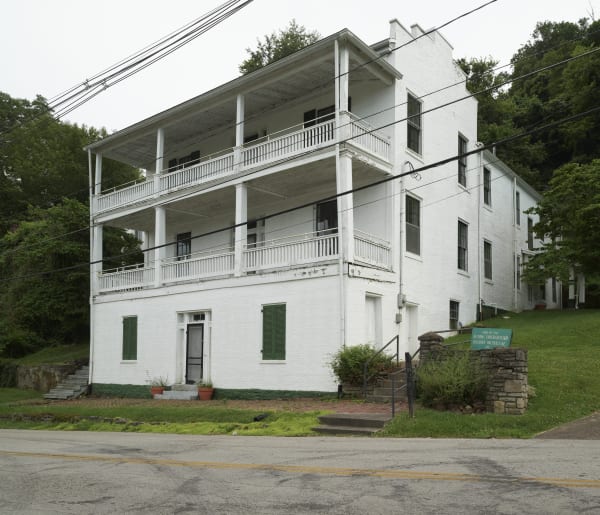
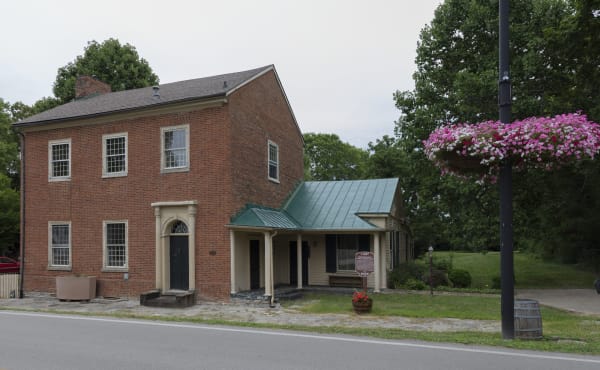
The Ohio made this region and divided it. Settlers landed at Limestone, now Maysville, and went inland to Old Washington, where Harriet Beecher watched people sold on the courthouse lawn in 1833. Free Ohio lay across the water, and from Maysville, Augusta and Dover enslaved people kept crossing toward Ripley, a history the National Underground Railroad Museum gathers. Near Burlington, the Dinsmore farm's own papers name the people the family held.
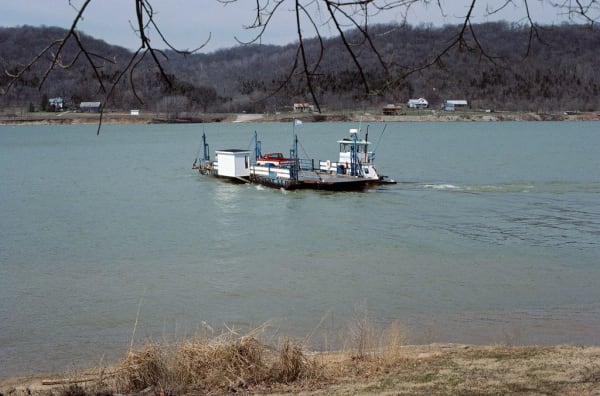
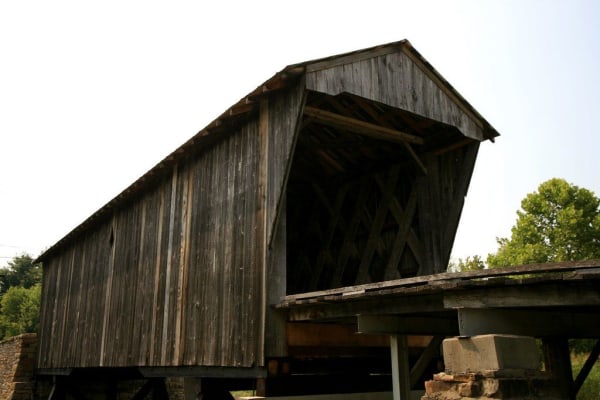
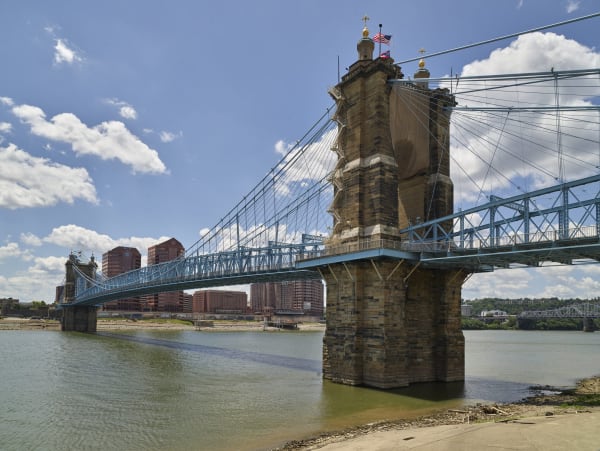
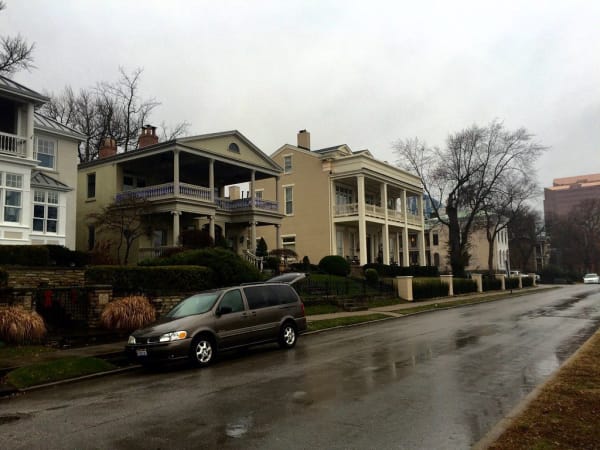
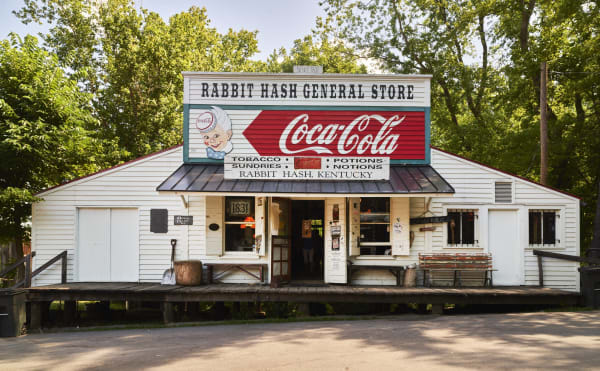
Downriver, Covington grew where the Licking meets the Ohio, and its river mansions now make a walkable district below Roebling's 1866 suspension bridge. Rabbit Hash keeps its 1831 store on the bank, the Augusta ferry still crosses to Ohio, the Goddard bridge frames a white country church in Fleming County, and Vanceburg's 1884 monument names the county's Union dead.
What to See in Northern Kentucky & the River Towns
12 places across the region, grouped by what they are.
Historic Sites
Northern Kentucky & the River Towns rewards the unhurried. Pick a base, fan out, and let the country between the headline stops surprise you.
← Explore more of Open Road Guide