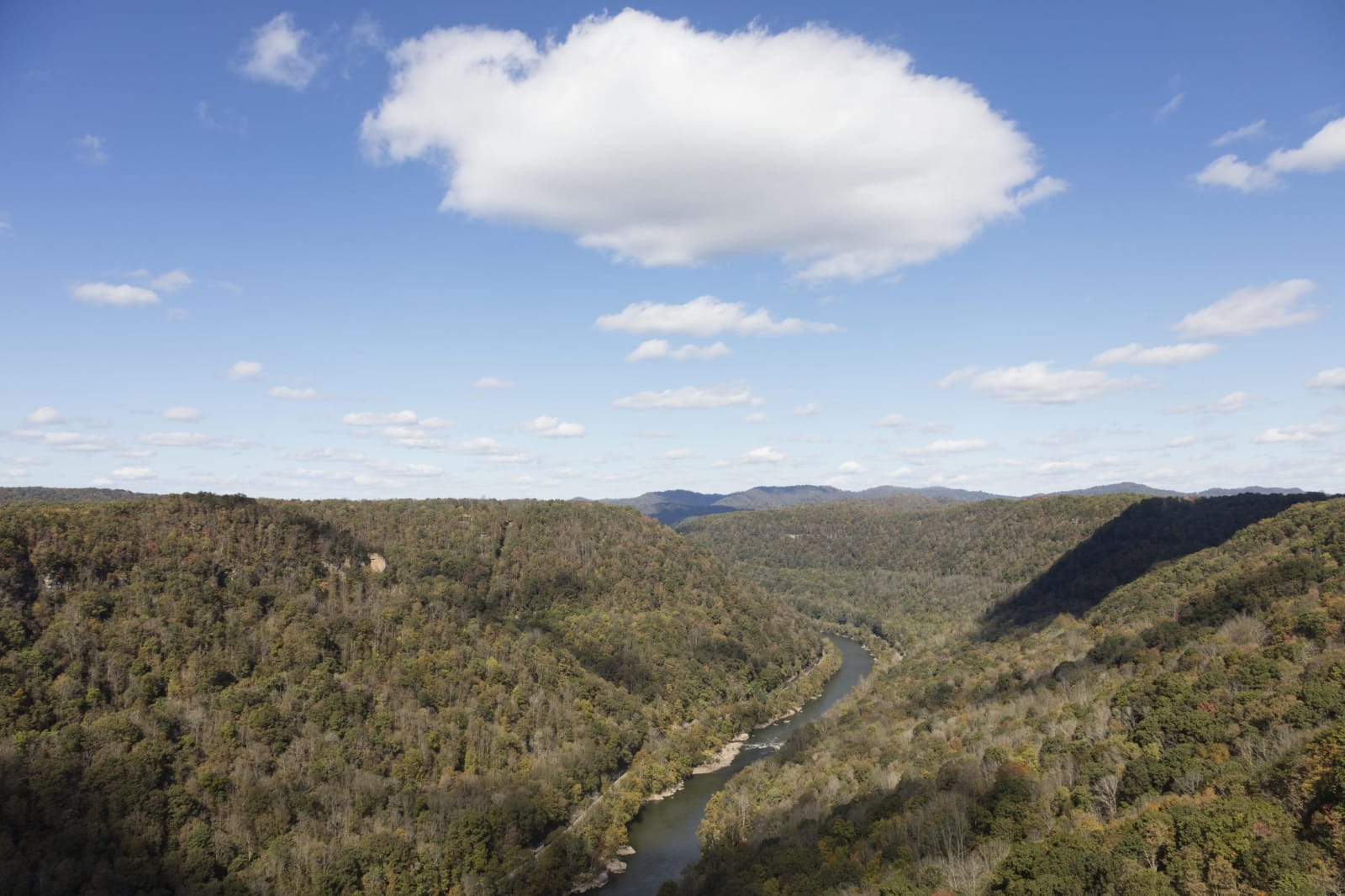
The New River Gorge
Coal towns, a rail boomtown and the Hawks Nest Tunnel in the deepest gorge in the Appalachians, with Carnifex Ferry, the Gauley and the 1977 New River Gorge Bridge.
People have lived along the New River for some 13,000 years. A Clovis spearpoint is the oldest thing found in the lower gorge, and about 900 years ago Fort Ancient farmers from southern Ohio built villages on its bottoms, trading for glass beads into the 1600s. Native hunters worked the Gauley canyon for millennia, and a trail passed the cliffs at Hawks Nest; which later nations, the Shawnee among them, descend from those villages the records cannot say.
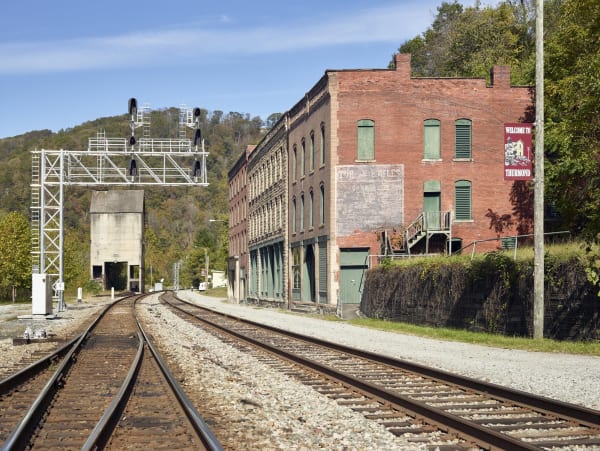
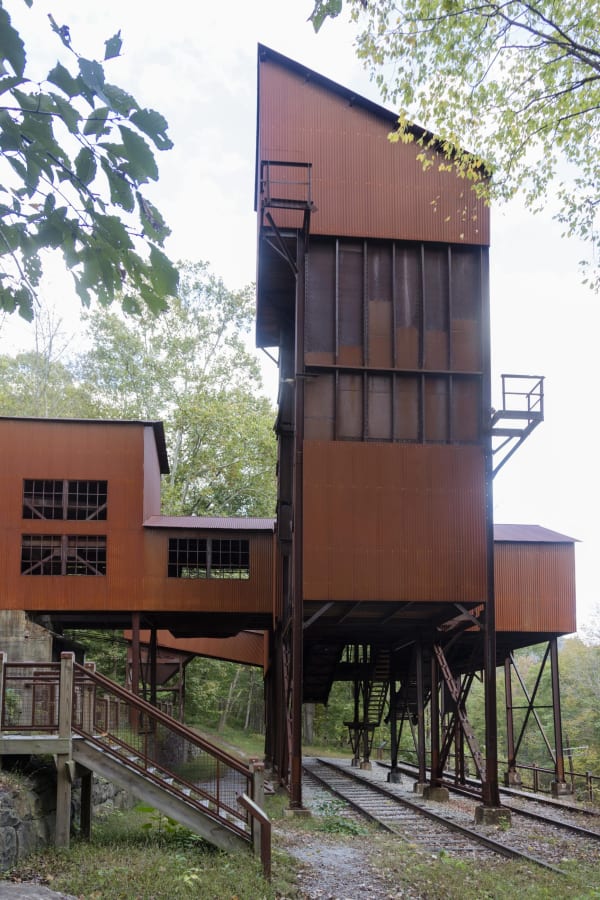
The Chesapeake and Ohio came through in 1873, and coal built the rail yard at Thurmond, the tipple Henry Ford left at Nuttallburg and the haulage at Kaymoor, where Black and white miners sent their children to separate schools. Retired miners still take visitors underground at Beckley. Under Gauley Mountain, hundreds of mostly Black migrant workers died of silicosis digging the Hawks Nest Tunnel in the early 1930s, and Fayetteville's court heard their suits.
To the north, the 1861 fight at Carnifex Ferry kept the western counties on the road to statehood, and Summersville Dam turned the Gauley into fall whitewater. The CCC built Babcock and Grandview in the Depression, Tamarack gathered the state's crafts by the turnpike, the 1977 bridge brought rafters and climbers, and in 2020 Congress made the gorge a national park and preserve.
What to See in The New River Gorge
12 places across the region, grouped by what they are.
Natural Areas
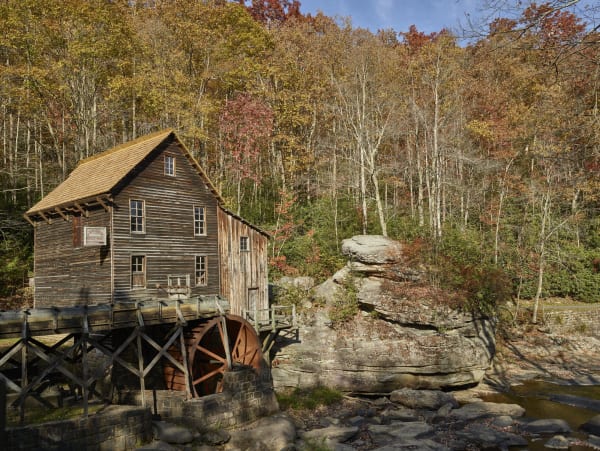
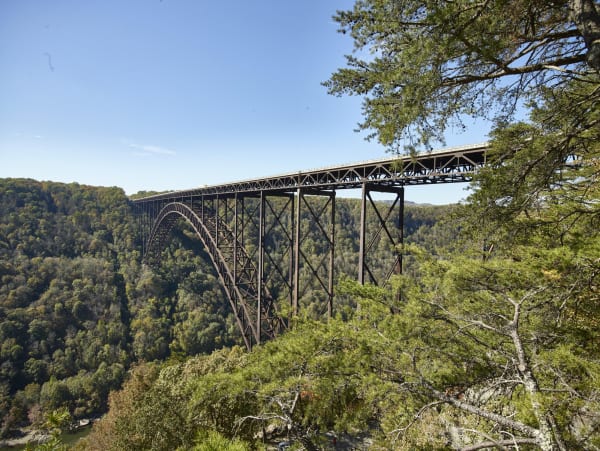
Hikes & Trails
Historic Sites
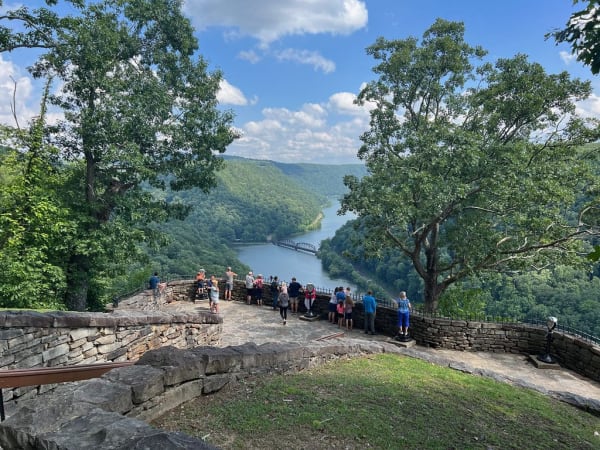
Towns & Gateways
Industry & Mining
The New River Gorge rewards the unhurried. Pick a base, fan out, and let the country between the headline stops surprise you.
← Explore more of Open Road Guide