Natchez & Southwest Mississippi
From the Grand Village and Emerald Mound to Forks of the Road, Melrose and Windsor Ruins: the Natchez homeland, cotton and slavery, and Black history on the bluffs.
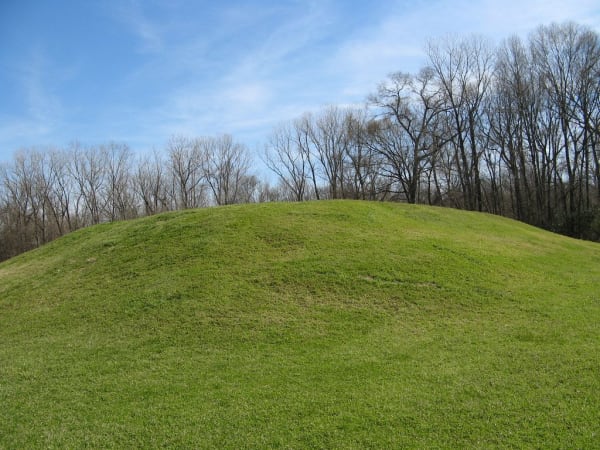
The Natchez were here first. Their capital stood on St. Catherine Creek, where the rebuilt mounds of the Grand Village still mark the Great Sun's town, and their ancestors raised Emerald Mound beside the Natchez Trace, the second-largest Mississippian mound in the country. In 1729 the Natchez attacked the French at Fort Rosalie, and the survivors were driven out, enslaved or taken in by other nations. Start at the Grand Village, before any mansion tour.
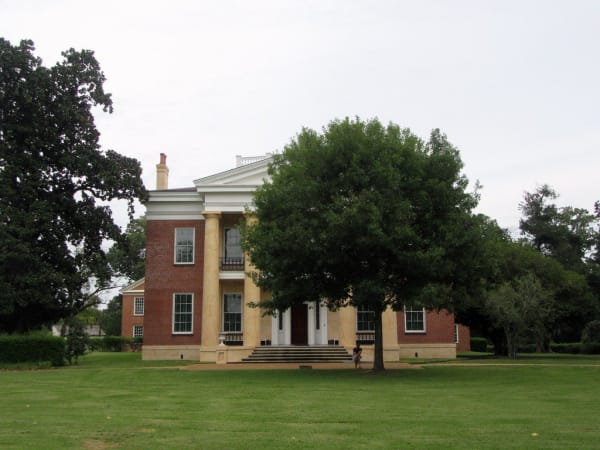
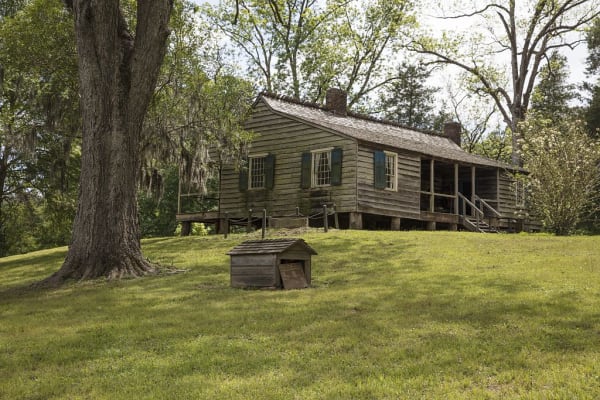
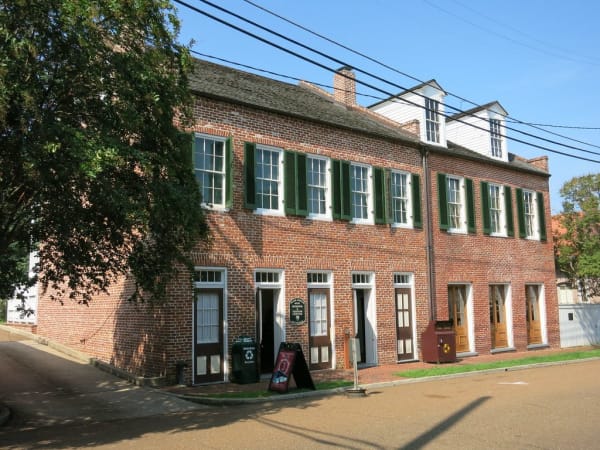
The town that grew on that bluff ran on cotton and slavery. Forks of the Road, a corner east of downtown, was the second busiest slave market in the Deep South. Melrose and the William Johnson House show the same world from a planter's household and from a free Black barber who enslaved others. At Mount Locust, a Trace inn, a cemetery holds 43 enslaved people, and the Natchez Museum of African American History and Culture follows the story through the 1960s.
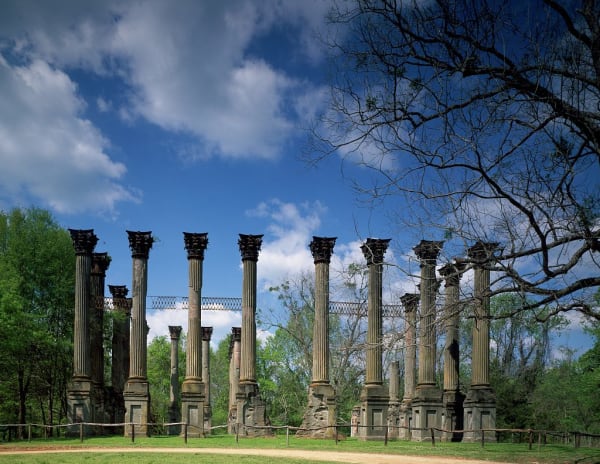
Farther south and east the country opens out. Windsor's columns stand near Port Gibson, and Alcorn State, founded in 1871 with Hiram Revels as its first president, sits on the old Oakland College campus. Homochitto National Forest and the waterfalls of Clark Creek fill the hills between the river towns. The Natchez Trace Parkway begins here and ties Emerald Mound and Mount Locust together on the drive.
What to See in Natchez & Southwest Mississippi
12 places across the region, grouped by what they are.
Natural Areas
Historic Sites
Towns & Gateways
Architecture
Natchez & Southwest Mississippi rewards the unhurried. Pick a base, fan out, and let the country between the headline stops surprise you.
← Explore more of Open Road Guide