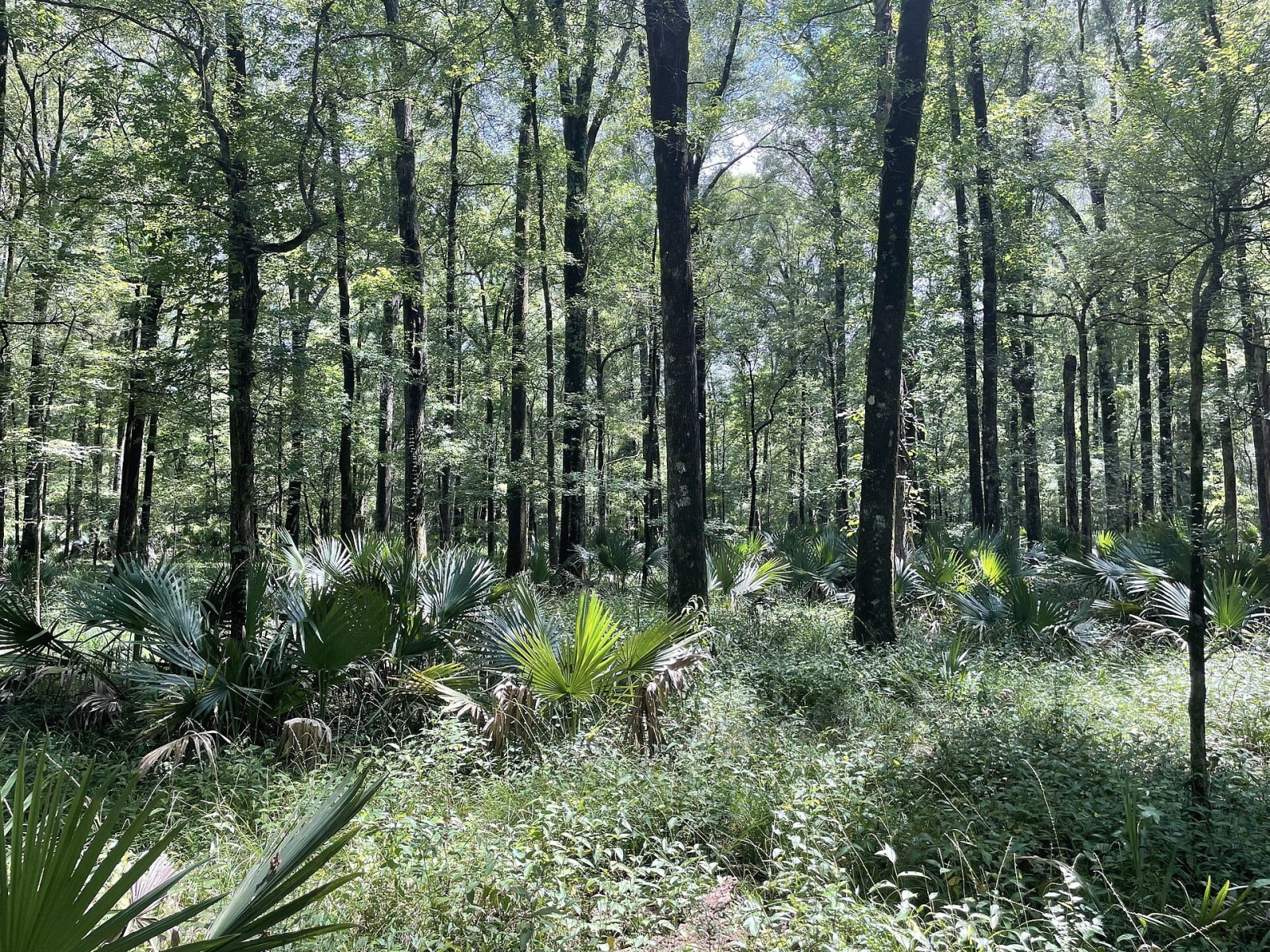
Monroe & the Louisiana Delta
Poverty Point's earthworks, Tensas River's black bears, Lake Providence's Grant canal, Monroe's Coca-Cola house and Flying Tigers museum, Delta cotton and bayou parks.
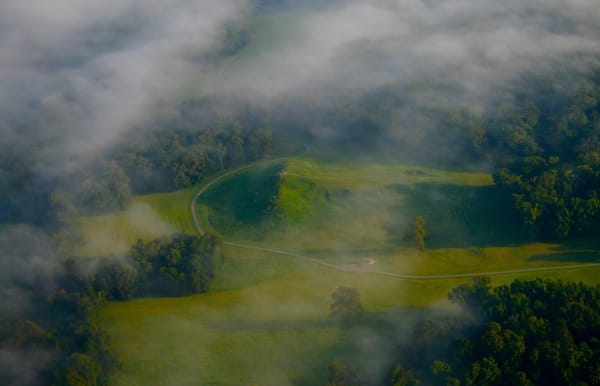
People raised Poverty Point on Macon Ridge between about 1700 and 1100 BCE, moving some 750,000 cubic meters of earth, and no source can name them. UNESCO inscribed the earthworks in 2014. When the French arrived, the Taensa lived in the country that became Tensas Parish, where Lake Bruin and the Tensas River refuge lie now. Native travelers used the ridge at Chemin-A-Haut for hundreds of years before the French called it the high road; Bayou Bartholomew below it runs 359 miles to the Ouachita River.
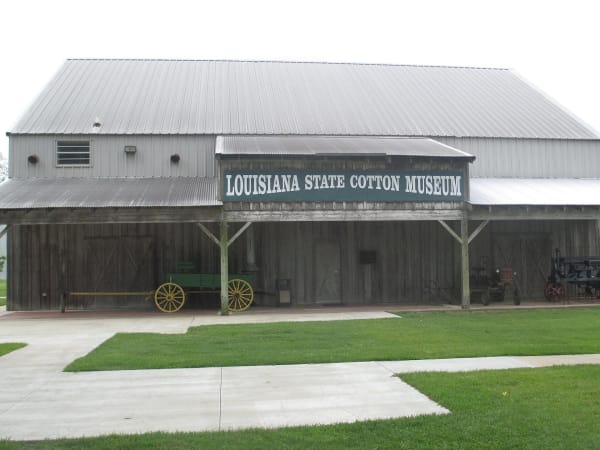
The Delta's cotton economy came later. Peter Bryan Bruin, for whom Lake Bruin is named, reportedly brought 31 enslaved Africans to the Natchez region. In 1863 freed people reached Union lines at Lake Providence, beside the canal Grant dug and left. The Cotton Museum there shows the sharecropping that followed emancipation. Holt Collier, born enslaved, guided Theodore Roosevelt near the Tensas River.
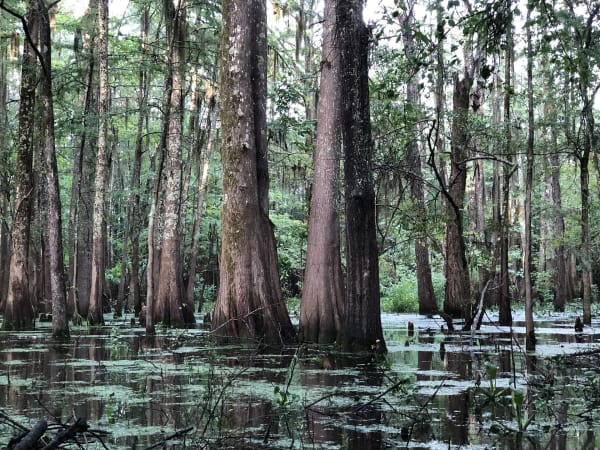
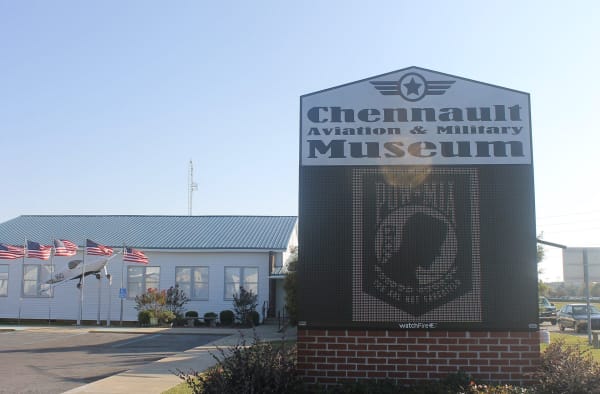
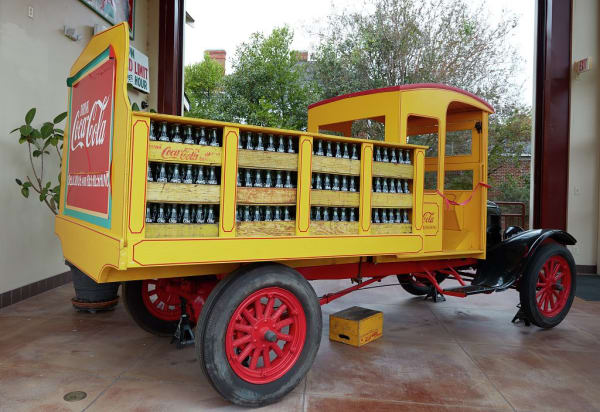
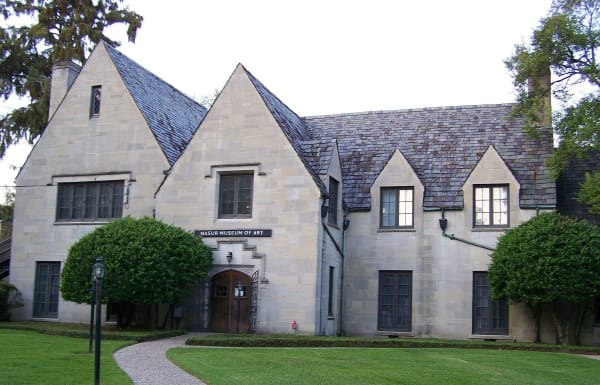
Monroe holds the rest: Joseph Biedenharn's Coca-Cola house, the Chennault museum with Selman Field and Delta's Monroe beginnings, the Northeast Louisiana Delta African American Heritage Museum, the Masur Museum's Tudor house and Black Bayou Lake's cypress, with the state's largest population of Louisiana black bears at Tensas.
What to See in Monroe & the Louisiana Delta
11 places across the region, grouped by what they are.
Natural Areas
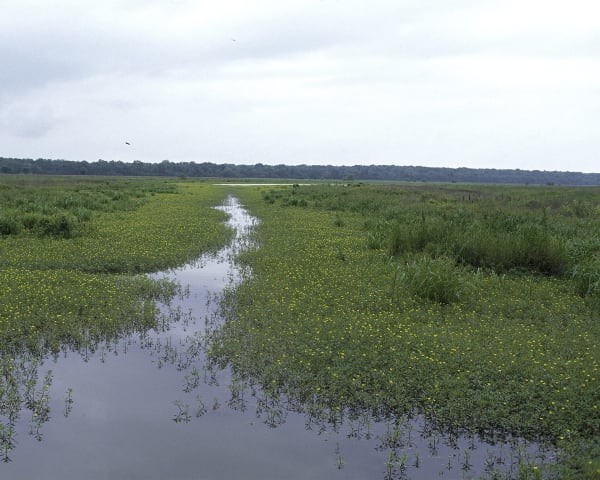
Hikes & Trails
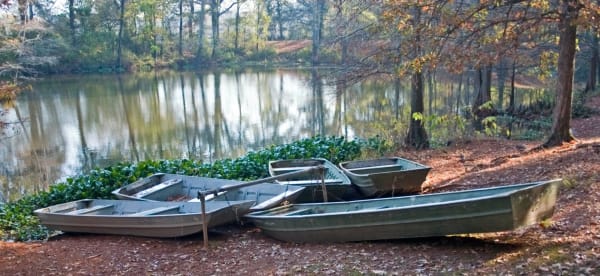
Historic Sites
Towns & Gateways
Architecture
Stories from Monroe & the Louisiana Delta
Monroe & the Louisiana Delta rewards the unhurried. Pick a base, fan out, and let the country between the headline stops surprise you.
← Explore more of Open Road Guide