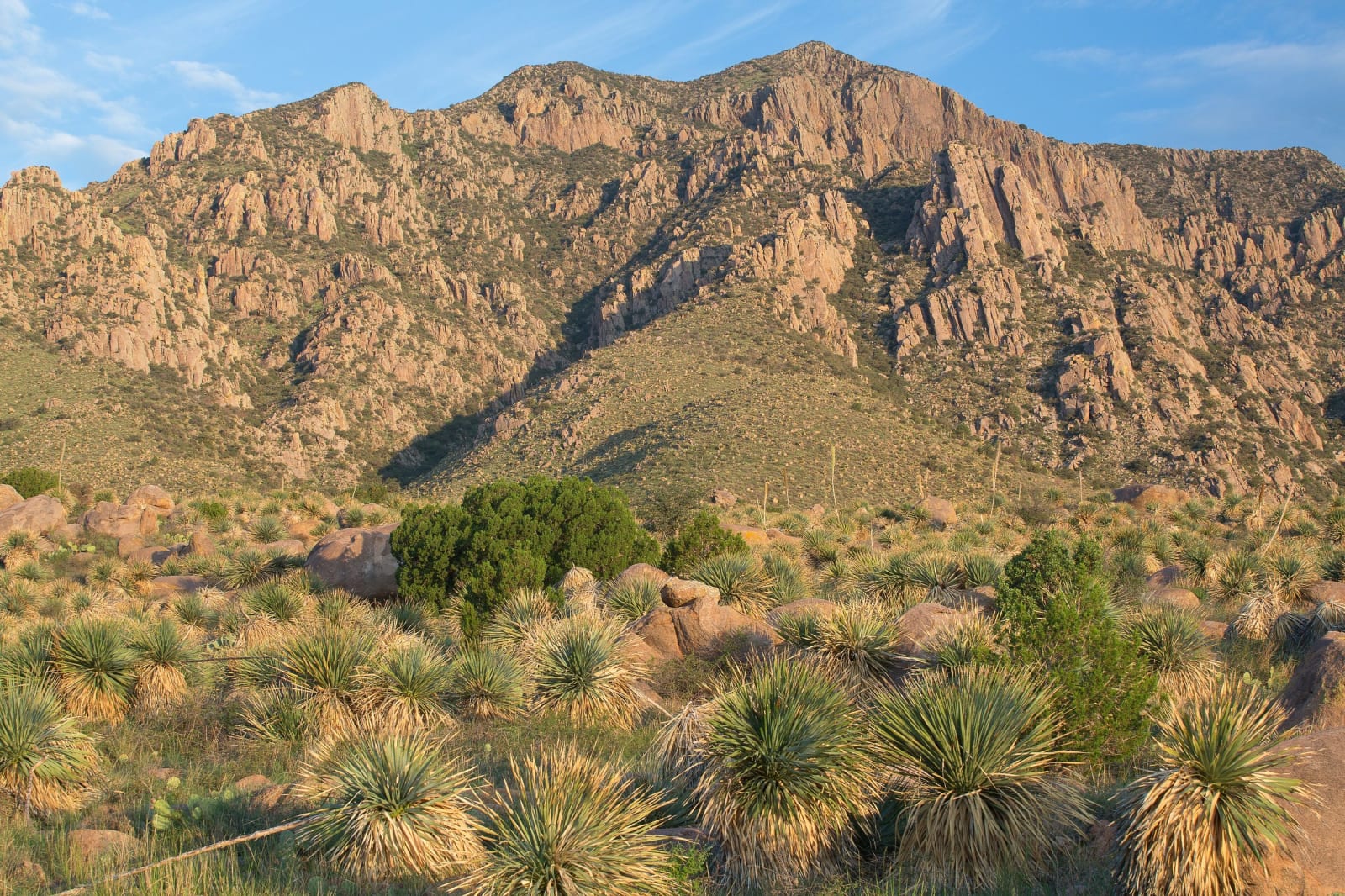
Las Cruces, the Gila & the Southwest
The Mesilla plaza under three flags, the first wilderness in the world, the Gila cliff dwellings, Mangas Coloradas and Victorio, and Villa's raid on Columbus.
This is the homeland of the Chiricahua Apache, the Chihenne band at Ojo Caliente and the Bedonkohe in the Mogollon Mountains among them. Mangas Coloradas led them for thirty years; in January 1863 soldiers seized him under a flag of truce, and he was killed at Fort McLane. Victorio fought to keep his people at Ojo Caliente, refused removal to San Carlos, and was killed in Mexico in 1880. Long before them, Mimbres people painted the black-on-white bowls that are now in museums around the world, and Mogollon families built the Gila Cliff Dwellings into five caves in the 1270s.
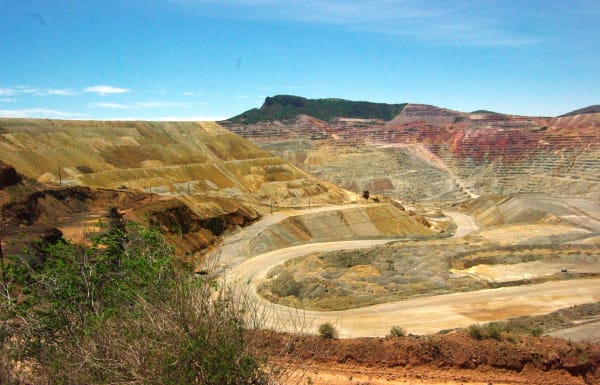
In 1924 the Forest Service set aside the headwaters of the Gila as the first designated wilderness in the world, at the urging of a young forester named Aldo Leopold. Silver City and the open pit at Santa Rita grew on copper the Spanish were already mining around 1800. Down on the Mexican line, on March 9, 1916, Pancho Villa's men raided Columbus, killing ten civilians and eight soldiers, and General Pershing led an army into Mexico after him for most of a year.
Mesilla, on the Rio Grande, was laid out as a Mexican town in 1848 and became American with the Gadsden Purchase; the US flag went up over its plaza in 1854, and for a season in 1861 and 1862 it was the capital of Confederate Arizona. Billy the Kid was tried and sentenced to hang in its courthouse in 1881. Las Cruces grew up across the valley.
What to See in Las Cruces, the Gila & the Southwest
5 places across the region, grouped by what they are.
Geology & Rock Formations
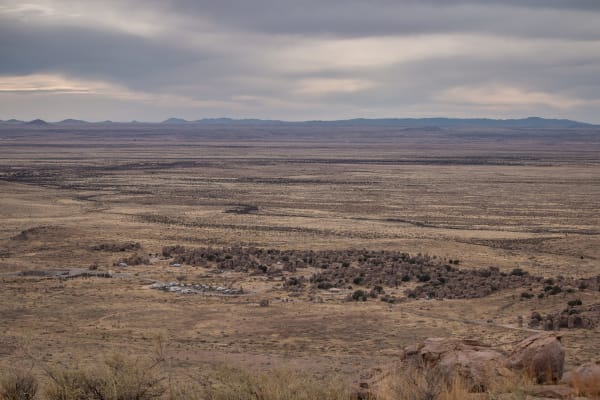
Historic Sites
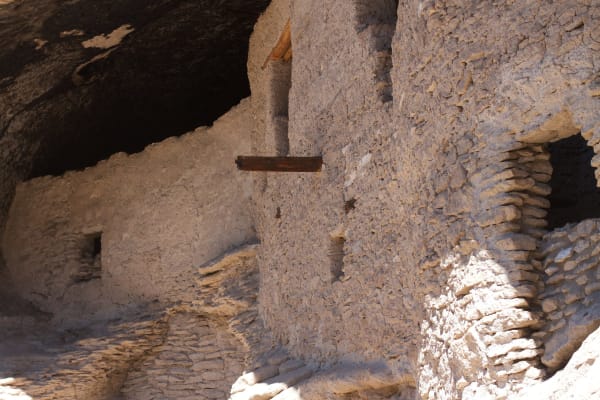
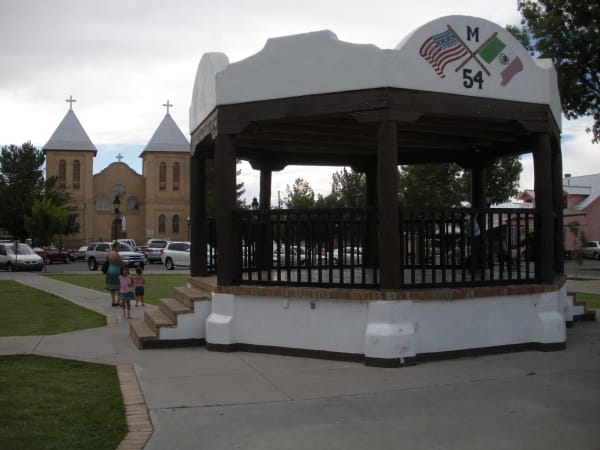
Industry & Mining
Scenic Drives through Las Cruces, the Gila & the Southwest
Stories from Las Cruces, the Gila & the Southwest
Las Cruces, the Gila & the Southwest rewards the unhurried. Pick a base, fan out, and let the country between the headline stops surprise you.
← Explore more of Open Road Guide