
Galveston, Brazoria & the Upper Coast
The Strand and Bishop's Palace, the Elissa, Galveston's Juneteenth sites and the 1900 storm seawall, Varner-Hogg and Levi Jordan plantations, Columbia and Matagorda Bay.
Galveston Island was Karankawa country, and in 1528 Cabeza de Vaca's shipwrecked party probably came ashore on it or close by. Jean Laffite ran his smuggling camp here from 1817 to 1820, and after the Revolution Michel Menard and his partners bought the harbor land and laid out a city. Cotton went out and immigrants came in, and by 1870 Galveston was the largest city in Texas, with the Strand as its business street.
On June 19, 1865, Union general Gordon Granger issued General Order No. 3 at Galveston, telling the people of Texas that all slaves were free, and Juneteenth began here. On September 8, 1900, a hurricane killed between 6,000 and 8,000 people in the city. Galveston answered with a seventeen-foot seawall and raised its ground level, jacking up 2,146 buildings and pumping sand beneath them, a church of 3,000 tons among them.
Southwest along State Highway 288 and the coast road, Brazoria County was the heart of Austin's colony, where eighty-nine of the Old Three Hundred held land. Its sugar and cotton plantations were worked by enslaved people, 5,110 of them by 1860, and Varner-Hogg and Levi Jordan tell that history. The Republic's first Congress met at Columbia, where Sam Houston was inaugurated on October 22, 1836. Matagorda, laid out in 1827, sits where the Colorado meets the bay, and Wharton lies upriver.
What to See in Galveston, Brazoria & the Upper Coast
10 places across the region, grouped by what they are.
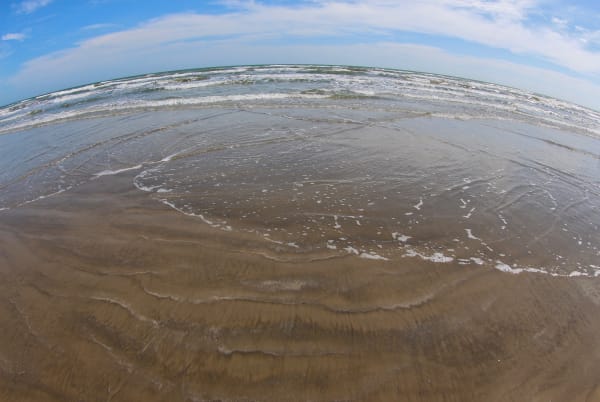
Natural Areas

Historic Sites
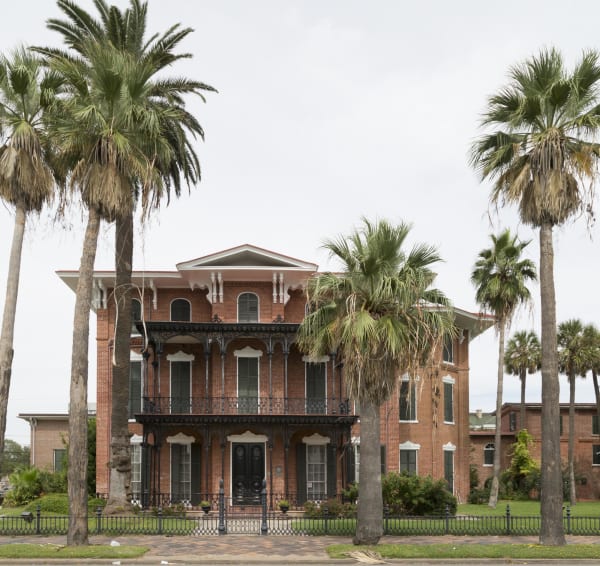

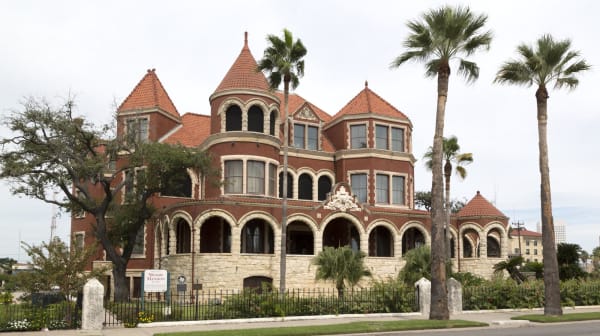

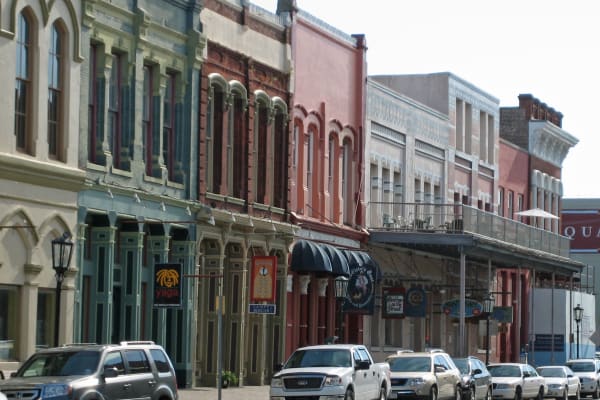

Architecture

Galveston, Brazoria & the Upper Coast rewards the unhurried. Pick a base, fan out, and let the country between the headline stops surprise you.
← Explore more of Open Road Guide