 Carol M. Highsmith / public domain via the Library of Congress
The Story
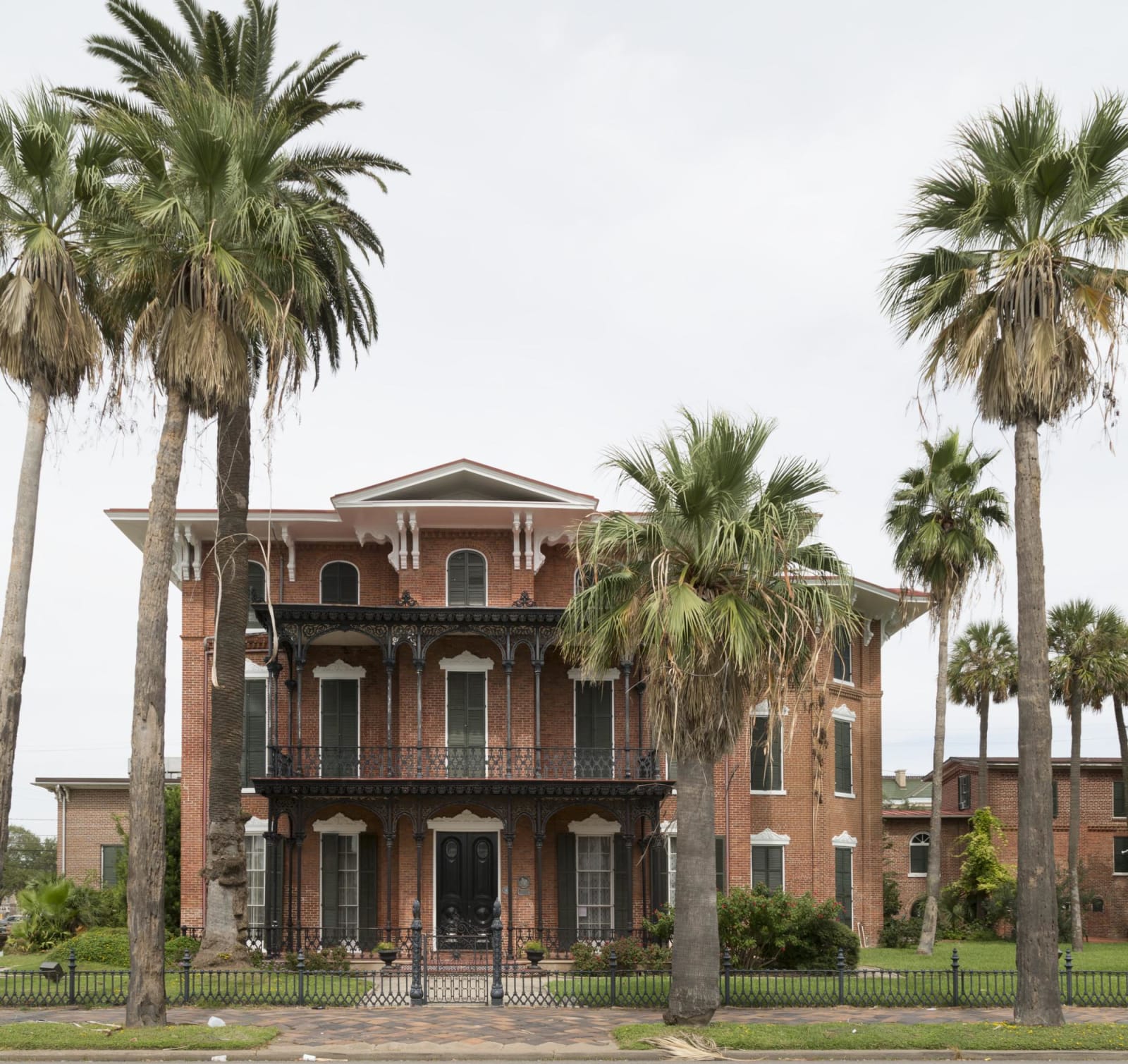
James Moreau Brown, who ran the largest hardware store west of the Mississippi, built this house in 1859 at Broadway and Twenty-fourth Street. He designed it himself and built it with enslaved labor and skilled European craftsmen, in brick walls thirteen inches thick with an air space against the damp. His wife, Rebecca Ashton Stoddart, named it. The house rode out the 1900 storm with its basement full of sand and silt, and the grounds were buried under two feet of fill when the island's grade was raised. Galveston Historical Foundation raised $125,000 to buy it from the Shriners after 1968, and it opened to the public in 1974.
The lawn is where Galveston keeps Juneteenth. In 1979, the year Texas made June 19 a state holiday, the Galveston Juneteenth Committee led by Doug Matthews and State Representative Al Edwards began an annual celebration here, with prayer, reflection and a reading of General Orders, No. 3. A statue of the reading went up in 2006. Freed Galvestonians had marched as early as January 1, 1866, eight hundred to a thousand strong, ending with speeches in the church on Broadway that is now Reedy Chapel, a few blocks east. The city's 2021 celebration included the dedication of the Absolute Equality mural, named for the order's own words.
Visitor Info
On the Map
Nearby
The closest stops worth working into your route
Historical markers nearby
Roadside plaques and monuments within a short detour