 2C2K Photography / CC BY 2.0 via Flickr
The Story
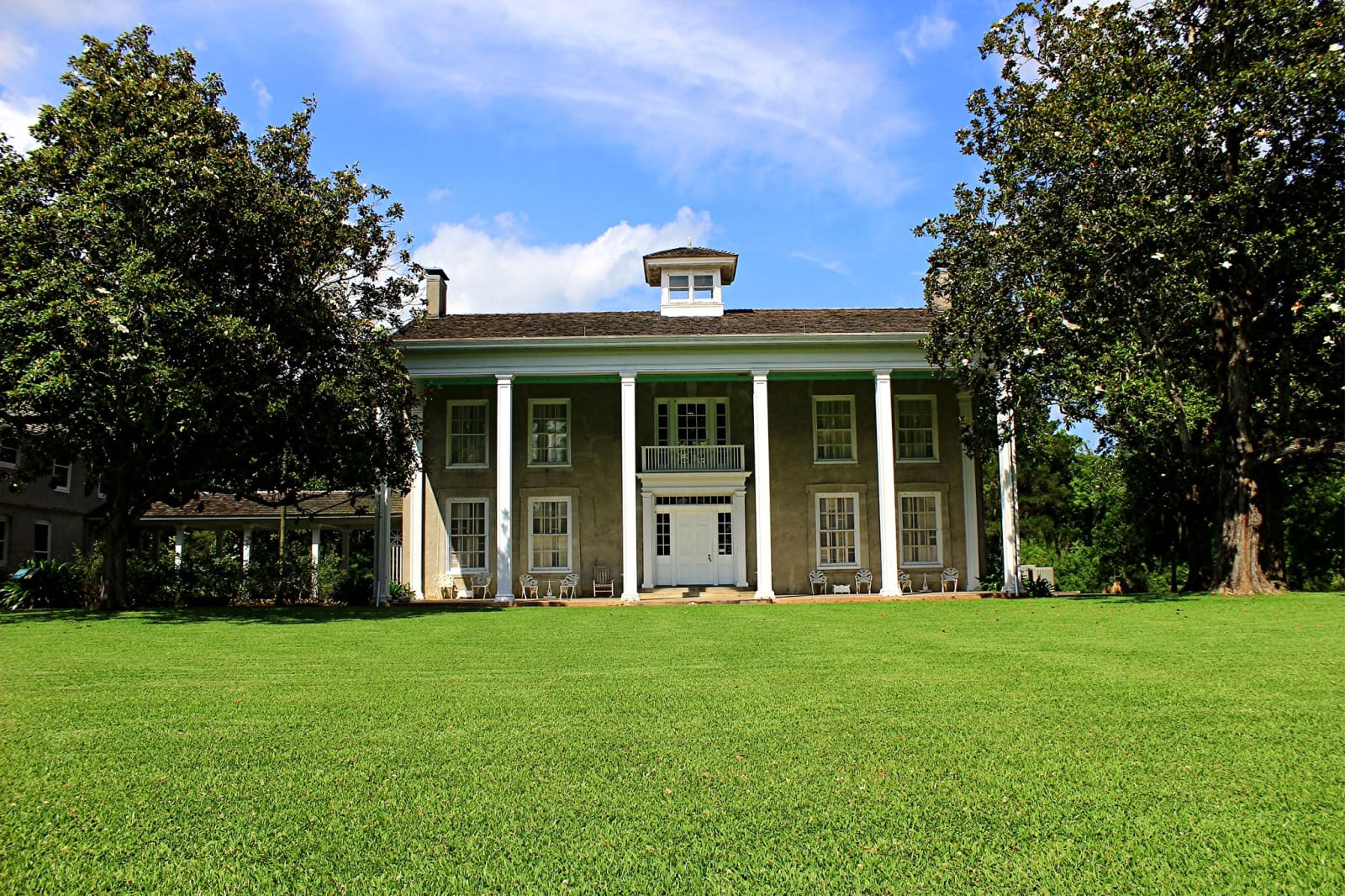
Martin Varner took this land as one of Austin's colonists in 1824 and sold it in 1834 to the Patton family of Kentucky, who brought the people they enslaved with them. Enslaved workers turned it into a sugar plantation. They made the bricks for the main house from Brazos River clay and built the two-story sugar mill, the blacksmith shop, a cotton gin and eighteen quarters of twelve feet square, and at its height the plantation turned out 245 hogsheads of sugar.
Two enslaved women's voices carry the story. Rachel, born in 1814 and bought by the Pattons in 1833, lived for at least twenty-one years as Columbus Patton's partner and ran the house as its mistress, though she remained enslaved. When his family had him committed in 1854, she was sent to the fields. His will left her $100 a year, but not her freedom, and she later sued the merchant who withheld it and won. Sarah Ford, born on the plantation, told the Federal Writers' Project in the 1930s that all the enslaved people had to call her "Miss Rachel."
After emancipation, owners leased convict labor here. State investigators in 1875 found "particular cruelty" toward convicts at Patton Place, including 604 lashes given one man. Former governor James Hogg bought the land in 1901, oil came in on it, and his daughter Ima gave it to the state in 1958.
Visitor Info
On the Map
Nearby
The closest stops worth working into your route
Historical markers nearby
Roadside plaques and monuments within a short detour