Crowley's Ridge & the Upper Delta
Crowley's Ridge and the Upper Delta: Nodena's pottery, Black River courthouse towns, Dyess and Johnny Cash, a tenant farmers' union and Hemingway's Piggott barn.
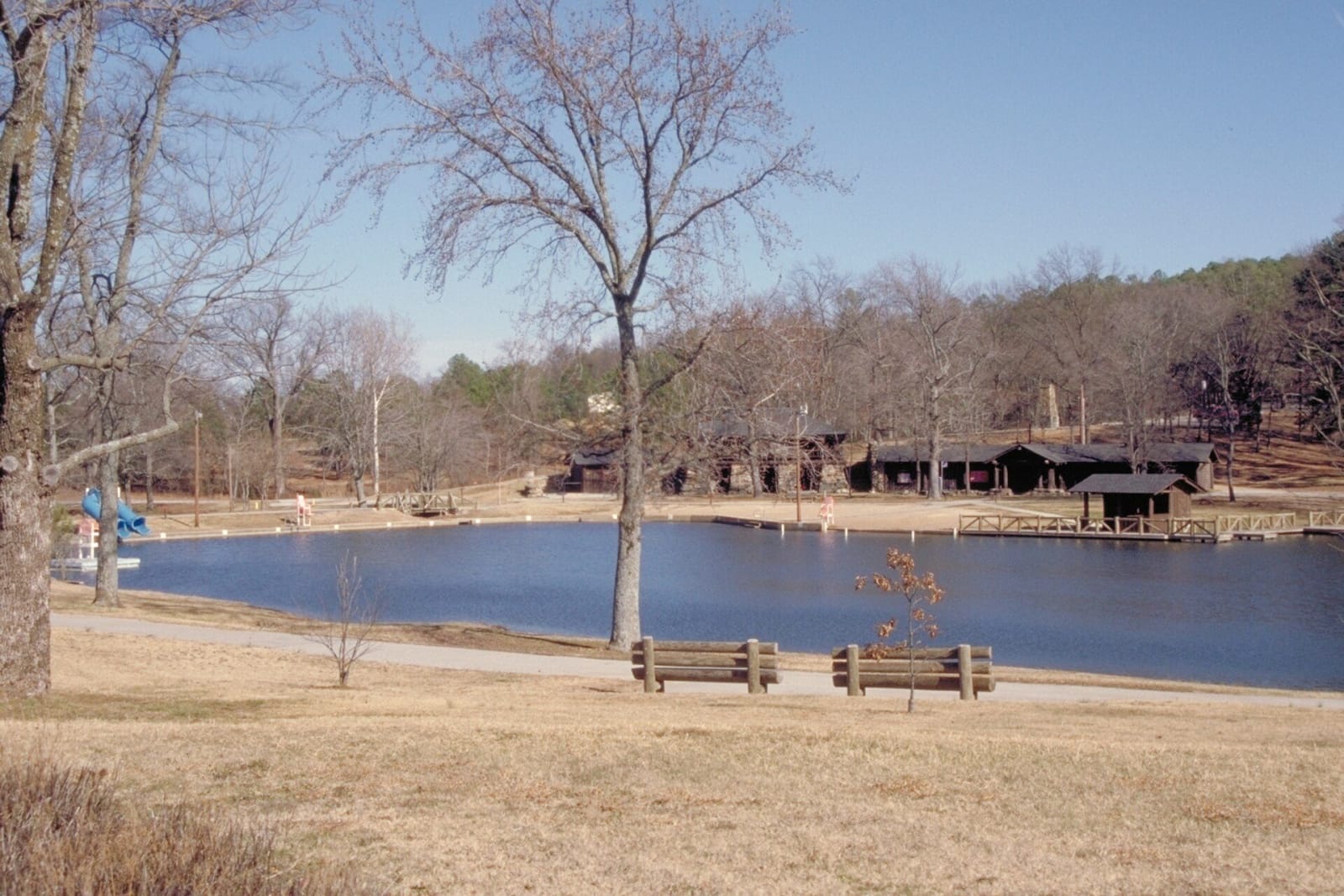
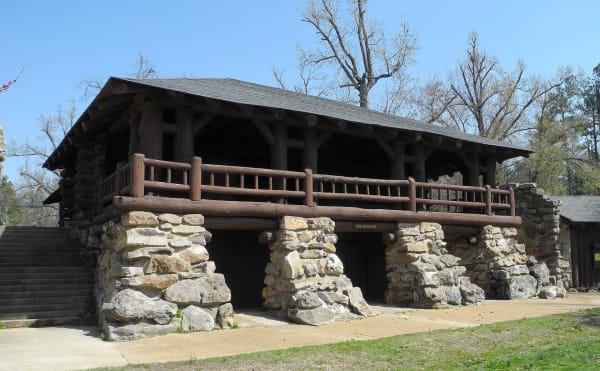
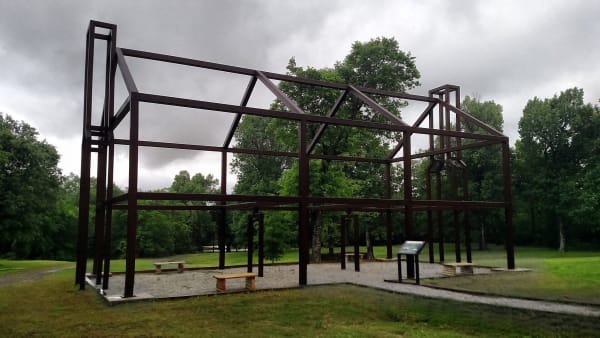
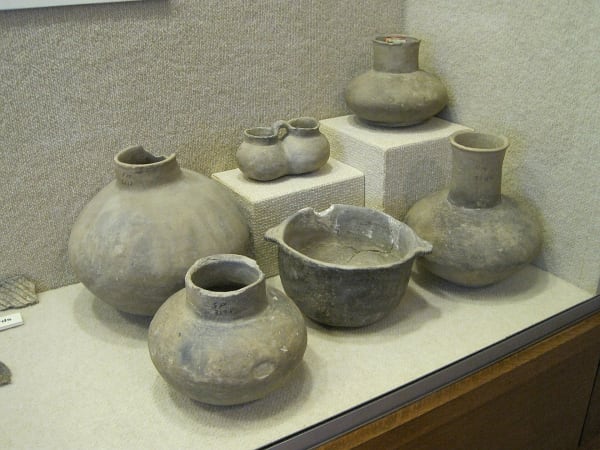
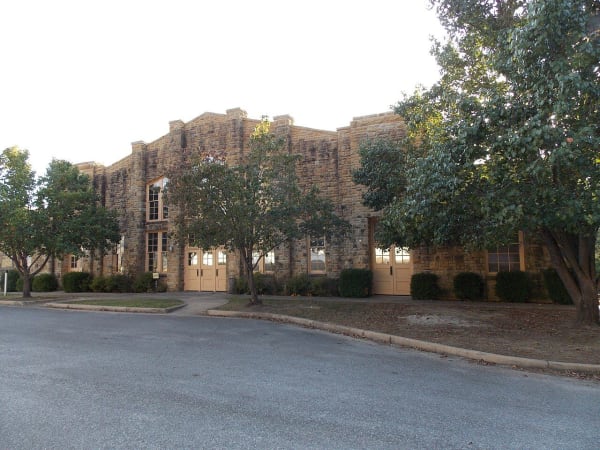
Long before Arkansas had a name, the palisaded village at Nodena stood on a bend of the Mississippi, from A.D. 1400 to 1650. The Encyclopedia of Arkansas names the Quapaw (Ogáxpa) as the people most likely descended from its farmers, and the Hampson Archeological Museum in Wilson keeps their pottery. Crowley's Ridge, a loess upland rising out of the flat Delta, is the setting for Crowley's Ridge State Park, where Civilian Conservation Corps crews built a lake and a stone-and-log pavilion around Benjamin Crowley's spring.
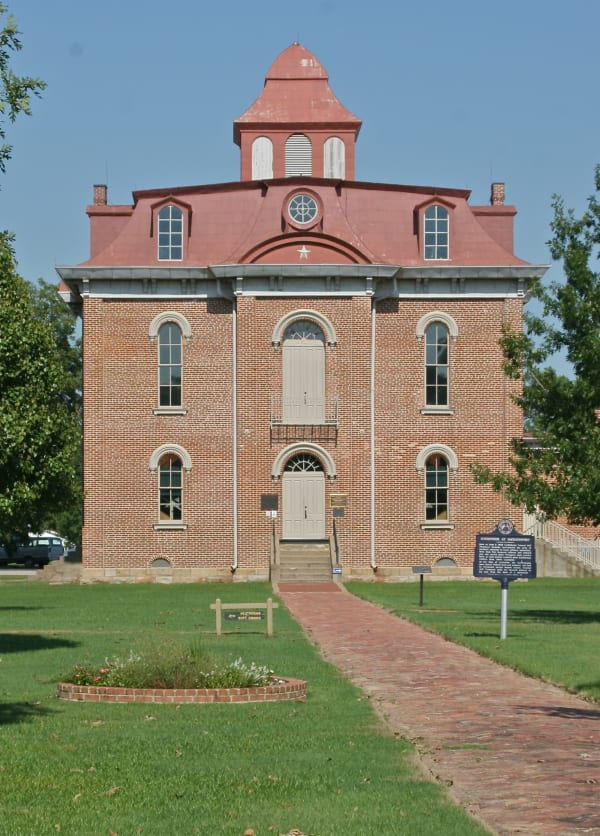
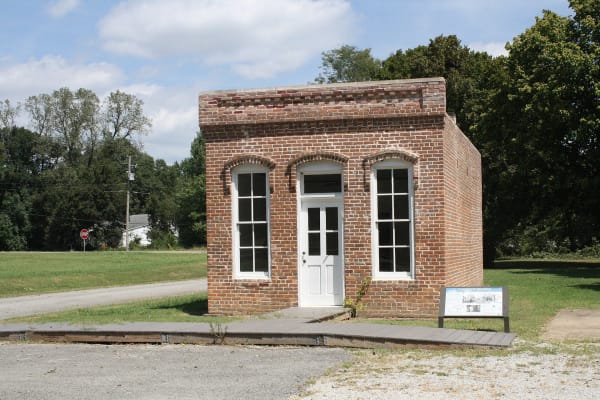
Rivers made the towns. Davidsonville on the Black River had Arkansas's first post office and courthouse until a rerouted road left it a ghost town. Powhatan kept its 1888 courthouse on the same river, and Jacksonport, where the White and Black rivers meet, shipped by steamboat until the railroad crossed at Newport. Old Independence Regional Museum in Batesville gathers the twelve counties of old Independence County, and both Powhatan and Jacksonport saw lynchings in the 1880s.
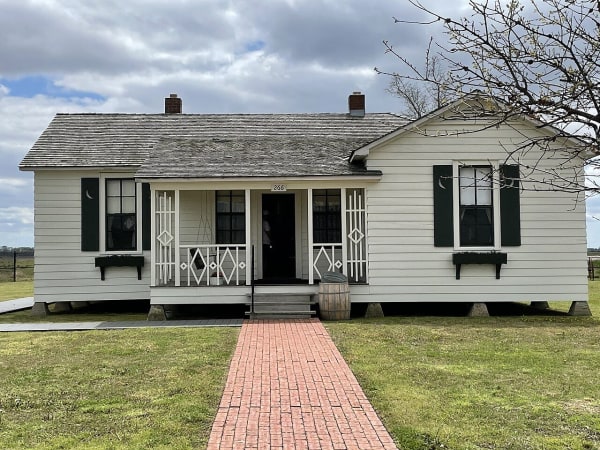
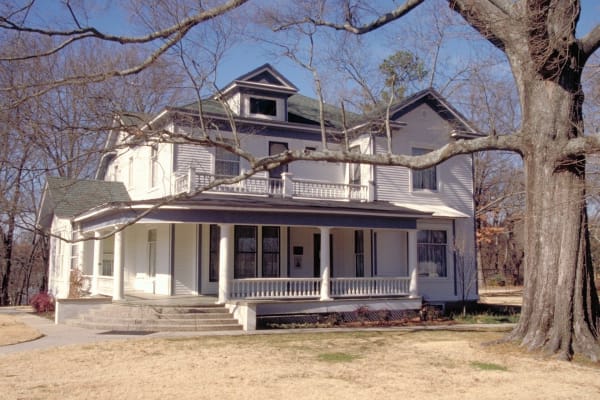
The 1930s are here too. The Dyess Colony, built for white families, raised Johnny Cash, and in Tyronza a union organized Black and white tenants in the same decade. Hemingway wrote in a Piggott barn, and Herman Davis is buried in Manila.
What to See in Crowley's Ridge & the Upper Delta
11 places across the region, grouped by what they are.
Hikes & Trails
Historic Sites
Towns & Gateways
Crowley's Ridge & the Upper Delta rewards the unhurried. Pick a base, fan out, and let the country between the headline stops surprise you.
← Explore more of Open Road Guide