Columbia & the Midlands
Congaree National Park's old-growth forest, Columbia's State House, Mann-Simons Site and State Museum, Camden's colonial town and battlefield, and Newberry's opera house.
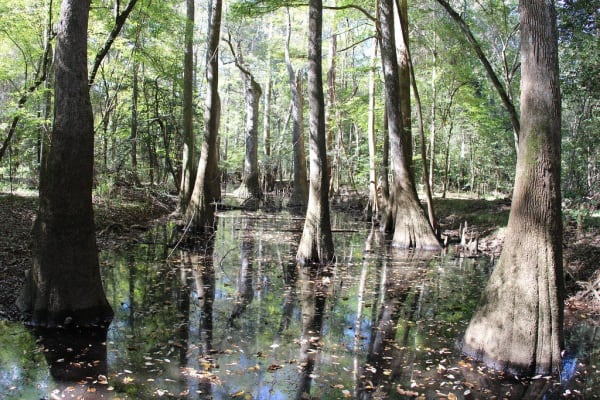
The Wateree and Congaree peoples gave their names to the rivers that meet below Columbia, and the Catawba and Cherokee trade paths crossed at Congaree Creek, where the colony built Fort Congaree in 1718 after a trade in deerskins and Native captives had set off the Yamasee War. Camden grew up on the path to the Catawba Nation. Downstream, in the old-growth floodplain forest of Congaree National Park, enslaved people found refuge in the swamp.
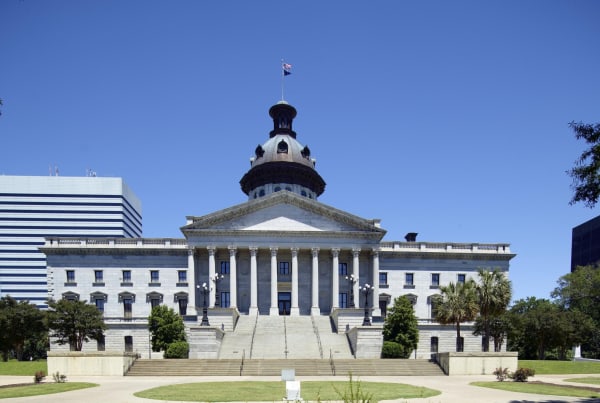
The State House was raised partly by enslaved stonecutters, shelled in 1865 and filled after the war by the nation's only Black-majority state legislature; the Confederate battle flag came down from its grounds in 2015. Randolph Cemetery is named for a senator assassinated in 1868, and a block apart the Mann-Simons Site and the Modjeska Monteith Simkins House tell of a free Black family's century downtown and of the organizer who fought the white primary.
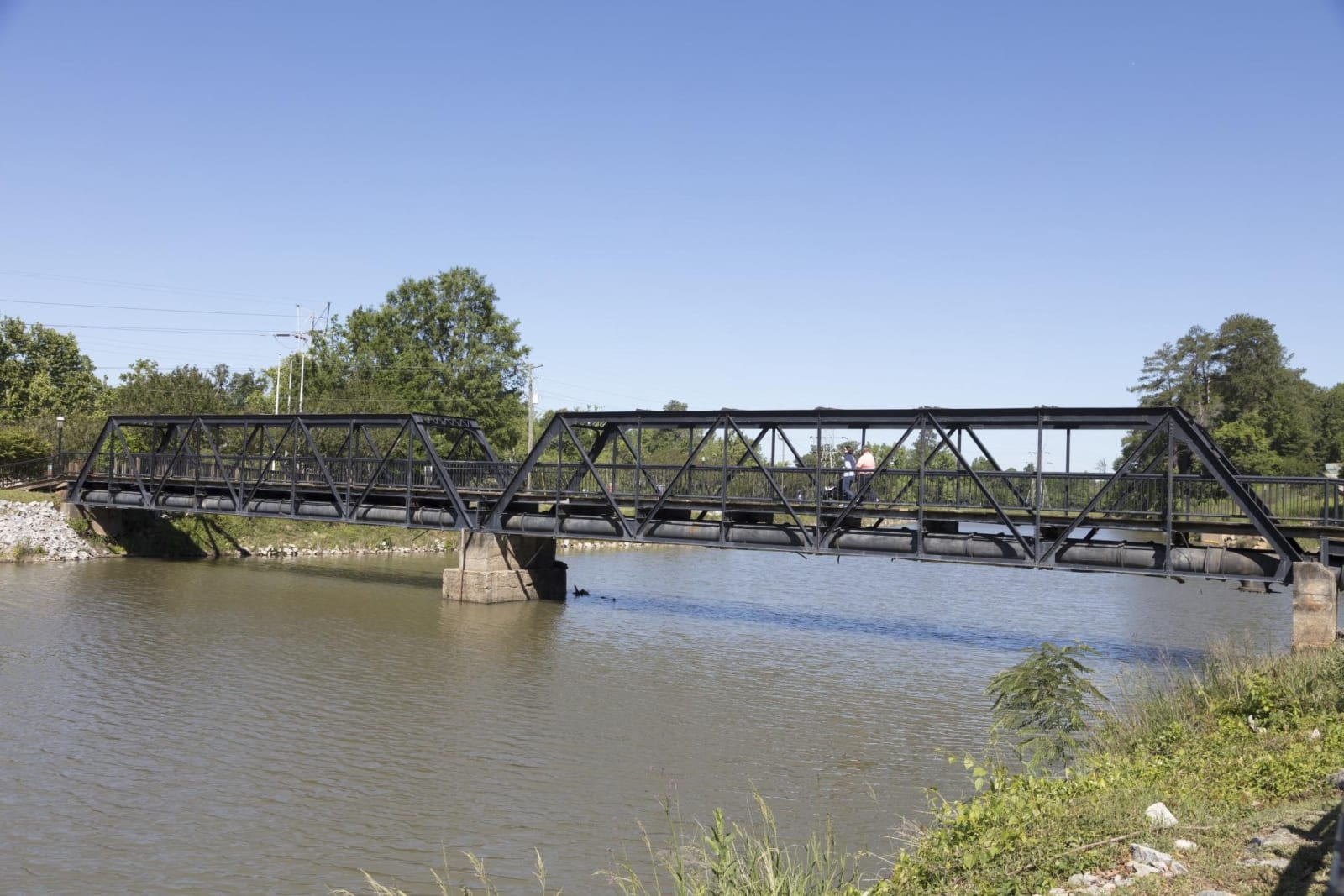
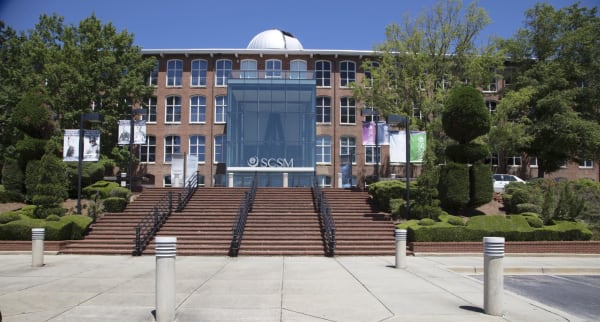
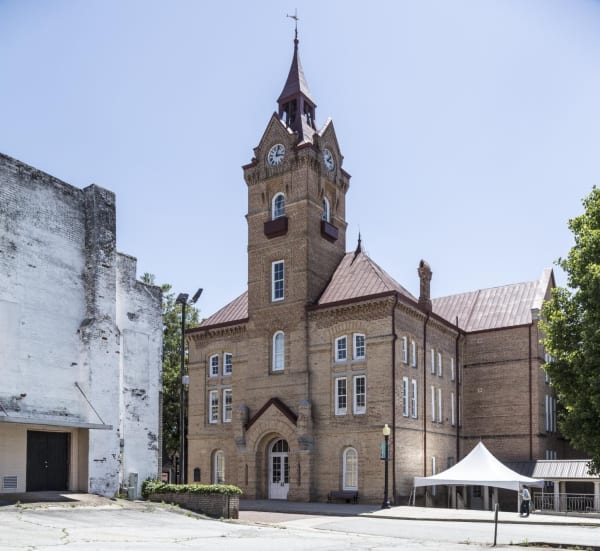
The South Carolina State Museum fills the first textile mill in the world run entirely on electricity, fed by the Columbia Canal. Out on the roads, Camden keeps its colonial town and the 1780 battlefield, Newberry its 1881 opera house and clock tower, and the reservoirs behind the Saluda and Wateree dams hold Dreher Island and Lake Wateree state parks.
What to See in Columbia & the Midlands
12 places across the region, grouped by what they are.
Natural Areas
Hikes & Trails
Historic Sites
Towns & Gateways
Architecture
Columbia & the Midlands rewards the unhurried. Pick a base, fan out, and let the country between the headline stops surprise you.
← Explore more of Open Road Guide