 Ammodramus / CC0 via Wikimedia Commons
The Story
When Lewis and Clark came up the Missouri in 1804, the Ponca were living along Ponca Creek near present-day Verdel, in earth lodges, farming and going out twice a year on the buffalo hunt, the Wah-ni-sa. In May 1877 the government forced them south to Indian Territory. Many died on the way, Standing Bear's daughter among them, and by the next spring nearly a third of the tribe was dead. When his son Bear Shield died there, Standing Bear set out with about thirty people to bury him at home. Arrested on the Omaha reservation and held at Fort Omaha, he won the case in which Judge Elmer Dundy ruled, on May 12, 1879, that an Indian is a person under the law. He died in 1908 and lies on a hill above the valley where he was born.
Congress terminated the northern Ponca between 1962 and 1966, striking 442 people from the rolls. They organized again in 1986, and on October 31, 1990, the Ponca Restoration Act recognized them once more, though without a reservation.
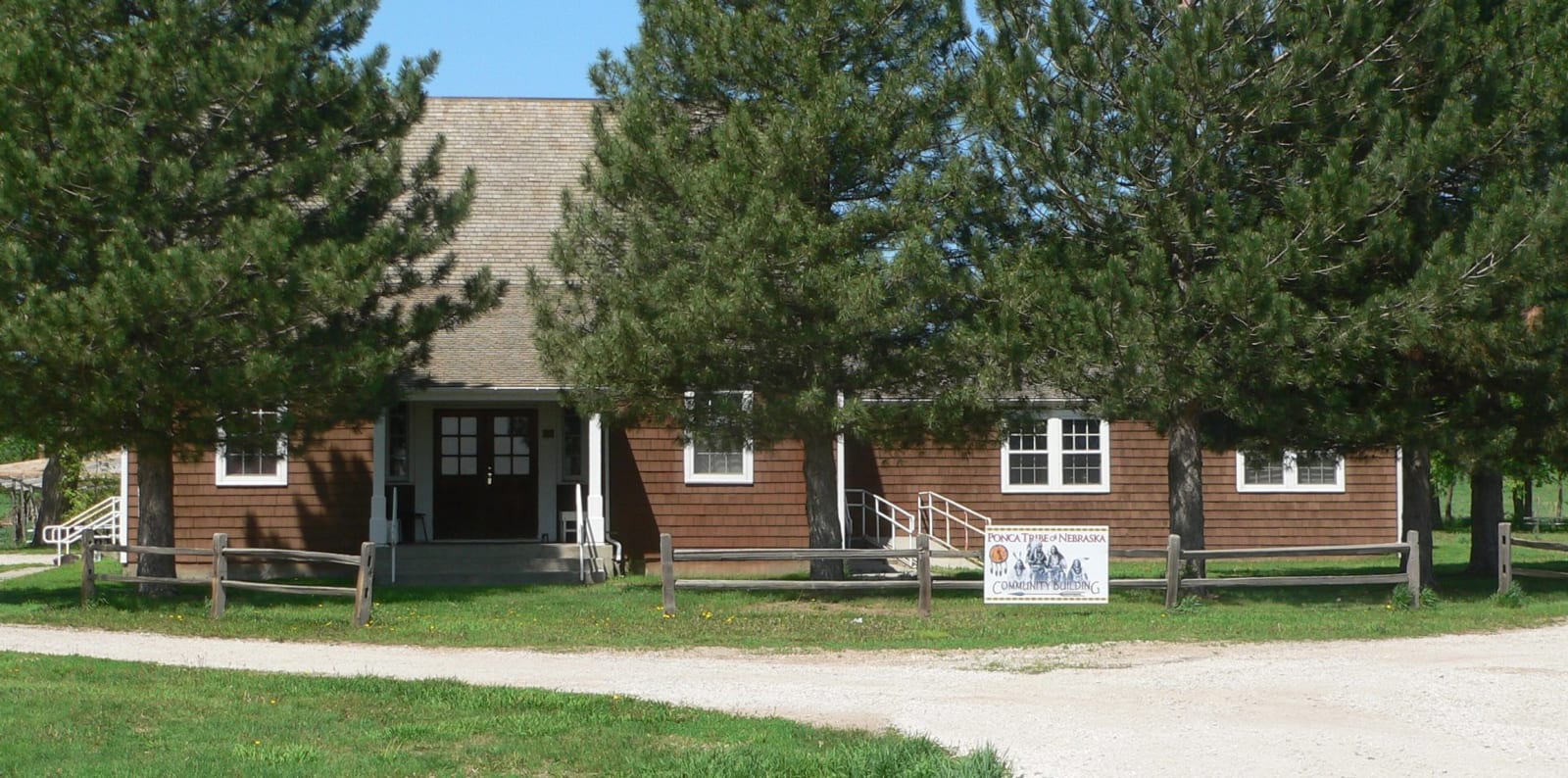
The museum stands on the old agency grounds beside the powwow arena, where the tribe has held its August powwow since 1994. Items repatriated from the Smithsonian in 1999 share the cases with one of Standing Bear's headdresses and photographs of the 1877 delegation to Washington. A thirty-stop talking trail carries elders' voices telling Ponca stories, and the bison herd, begun with eleven animals in 1996, now numbers more than 365 on the pastures west of the agency.
Visitor Info
On the Map
Nearby
The closest stops worth working into your route
Historical markers nearby
Roadside plaques and monuments within a short detour