 UNOBUDO / CC BY-SA 3.0 via Wikimedia Commons
The Story
Wichita's boosters spent the 1870s getting away from the cattle trade. Marshall Murdock's Eagle wrote in 1875 that the name of Wichita had been "synonymous with crime" when Texas drovers filled its streets, and when the quarantine line moved west toward Dodge City in 1876 the town turned to grain, commerce and real estate with little regret. The museum began as a rescue of buildings. In 1942 the architect Harry Overend found that a run-down rooming house on North Main had been the city's first frame church, built by Presbyterians in 1870. In 1950, after a small fire, Dick Long of the Eagle bought it and its parsonage from a salvager for $400 and founded Historic Wichita, Inc.
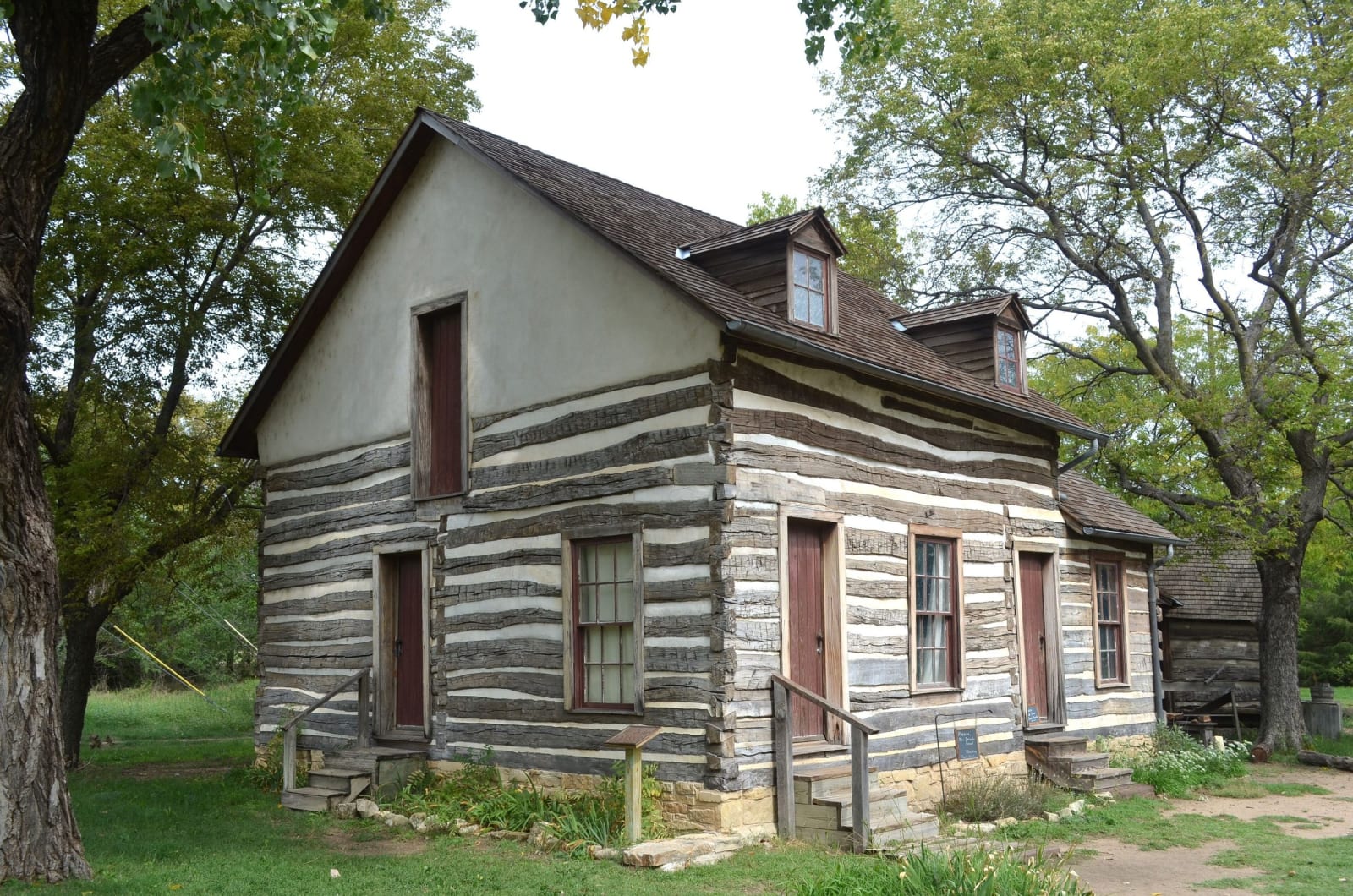
The DAR gave the 1869 log house of city founder Darius Munger, found encased in a later house, and the school board sold the first city jail for a dollar. The city declined the buildings as a park, so in 1952 the group subleased 23 acres the Wichita Water Company held beside the Arkansas River, and the first visitors toured by late 1953. The plan grew into a cattle town of the 1870s, and as Wyatt Earp became a television hero the museum borrowed the West of the movies. In 2001 the historian Jay Price called it the symbol of a city still coming to terms with its identity.
The City of Wichita has run Cowtown since 2007, with Historic Wichita Cowtown, Inc. as its advisory partner.
Visitor Info
On the Map
Nearby
The closest stops worth working into your route
Historical markers nearby
Roadside plaques and monuments within a short detour