 Infrogmation of New Orleans / CC BY-SA 4.0 via Wikimedia Commons
The Story
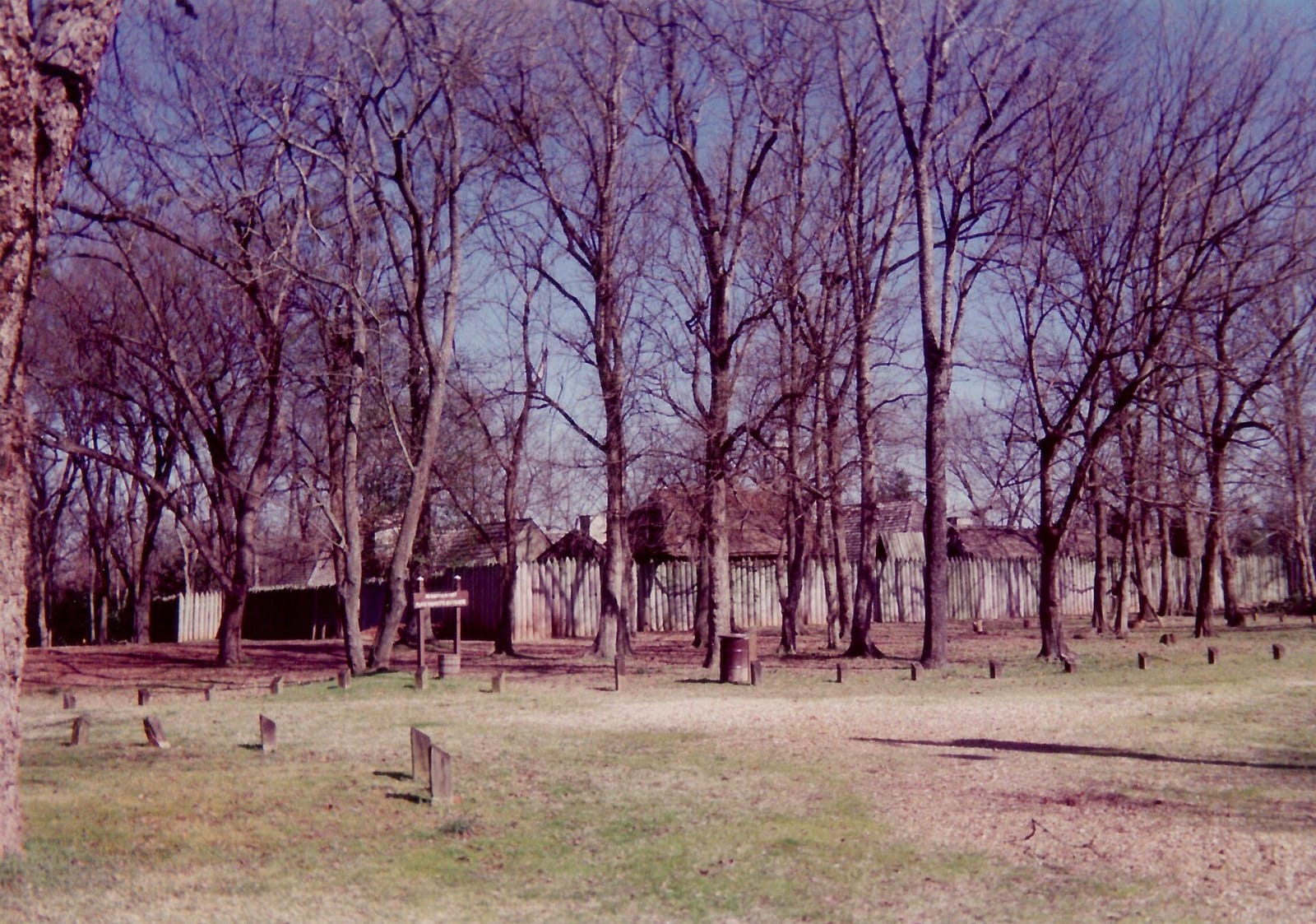
The fort was built to watch a border and became a trading post. After St. Denis set up in the village of the Natchitoches Indians on the Red River in 1714, Charles Claude Dutisné arrived in 1716 with colonial troops to garrison an outpost meant to stop Spanish forces in Texas from crossing into French Louisiane. Louisiana State Parks says the three Caddo confederacies helped build trade and communication links among the French, Spanish and Native peoples, and that by the mid-18th century the Caddo depended almost entirely on French trade goods.
St. Denis became commandant in 1722 and held his influence until his death in 1744. France ceded the colony to Spain in 1762, and by the time the United States acquired the area in 1803 the fort was in ruins; Americans built Fort Claiborne nearby instead. The replica stands on Cane River Lake, a few hundred yards from the original site. Construction began in 1979 under Samuel Wilson Jr., working from Ignace François Broutin's plans and archival research in Louisiana, Canada and France. The palisade uses nearly 2,000 treated pine logs, and every hinge and latch was handmade at a nearby foundry.
Inside are the chapel, the storeroom and a visitor center with a model of the fort, and staff and volunteers in period clothing run living-history programs, including an annual encampment. The site is at 155 Rue Jefferson, open Wednesday through Sunday from 9 a.m. to 5 p.m. Admission is $6 for ages 7 to 61 and $4 for seniors, as listed in 2026.
Visitor Info
On the Map
Nearby
The closest stops worth working into your route
Historical markers nearby
Roadside plaques and monuments within a short detour