 Melissa McMasters / CC BY 2.0 via Wikimedia Commons
The Story
Spaniards began settling the lower Rio Grande in the 1740s. In 1767 the Crown granted large river tracts called porciones, and this land was Porción 50, given to José Antonio Zamora. In the late 1930s the Bentsen family bought more than 3,000 acres of it, and the settlement of Las Nuevas was abandoned. They developed more than 2,000 acres north of the present park.
In 1944 the Bentsens transferred 586.9 acres of Porción 50 to the Texas Parks Board for one dollar, on the condition that it be used solely for public park purposes. The park opened in 1962. In February 2019 Congress barred border fencing at it, one of several Valley landmarks named in that spending bill.
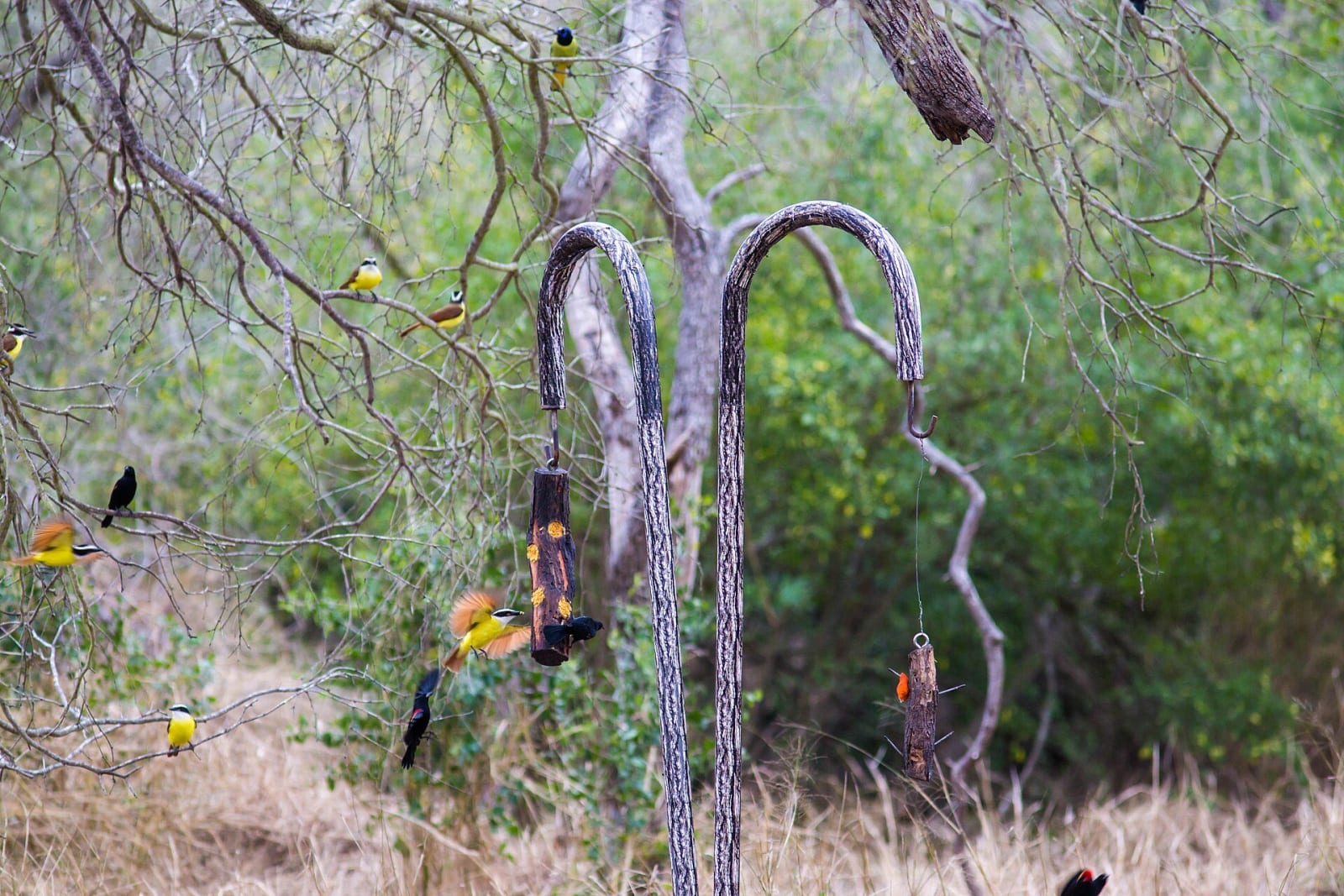
The park is the headquarters of the World Birding Center, and about 360 bird species have been recorded, among them plain chachalacas, great kiskadees and Altamira orioles. Swainson's and broad-winged hawks pass overhead in spring and fall by the thousand, and a two-story Hawk Observation Tower looks over the raptors, the canopy and Mexico. Private vehicles are not allowed inside; visitors walk or ride bicycles on seven miles of trails, including the wheelchair-accessible 1.8-mile Rio Grande Trail, or take the tram. Javelinas and bobcats live here too. The park has primitive campsites and a group hall, and it is busiest from September through April.
Visitor Info
On the Map
Nearby
The closest stops worth working into your route
Historical markers nearby
Roadside plaques and monuments within a short detour