County guide · Alabama
Tuscaloosa County
5 places to stop and 13 historical markers in Tuscaloosa County, Alabama.
Towns: Tuscaloosa (15), Coker (1), McCalla (1), Northport (1)
Places to stop
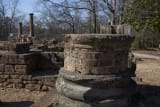
historical · Tuscaloosa
Capitol Park
The ruins of Alabama's 1829 capitol in Tuscaloosa, built with enslaved labor, where the legislature sat from 1826 until 1846, and first stop on the Tuscaloosa Civil Rights Trail.
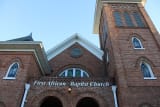
historical · Tuscaloosa
First African Baptist Church
The 1907 Tuscaloosa church where 600 marchers set out for the courthouse on June 9, 1964, and were driven back with fire hoses and tear gas on Bloody Tuesday.

historical · Tuscaloosa
Foster Auditorium
The 1939 University of Alabama hall where George Wallace stood in the door on June 11, 1963, before Vivian Malone and James Hood registered.
natural · Coker
Lake Lurleen State Park
A 1,625-acre state park northwest of Tuscaloosa around a 250-acre lake, with 23 miles of shoreline and woodland trail for hikers and mountain bikers.
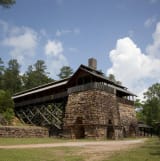
industrial · McCalla
Tannehill Ironworks Historical State Park
Three sandstone blast furnaces in Roupes Valley, worked mostly by enslaved men and burned in 1865, with the Iron & Steel Museum of Alabama and a village of old cabins.
Historical markers
Tuscaloosa · Erected 2002
"The Indian Fires Are Going Out"
The year of Eufaula's farewell was the year removal stopped pretending to be voluntary.
Tuscaloosa · Erected 2003
Alabama Corps of Cadets Defends Tuscaloosa
Croxton's 1,500 troopers had left Elyton on March 30 with orders to destroy the university, then the state's military school, and whatever served the war along the way.
Tuscaloosa · Erected 1949
Bryce Hospital
Patients' work kept this hospital running. Peter Bryce's moral treatment put patients to the labor they knew, and when legislators cut appropriations, goods the patients…
Tuscaloosa · Erected 1975
Christ Episcopal Church
Thirteen men met on January 7, 1828, and elected a vestry that night, which made this Alabama's first Episcopal congregation by a few weeks.
Tuscaloosa · Erected 1970
First Presbyterian Church
Stillman College grew out of this congregation in stages. Before the Civil War, white members ran a Sunday school for Black Tuscaloosans that became Salem Presbyterian…
Tuscaloosa · Erected 1966
Gorgas House
William Nichols, who also designed the state capitol, drew this as one of the campus's first seven buildings, with the living floor upstairs in the Low Country way and…
Northport · Erected 2002
Home Guard Defended Covered Bridge / Bridging the Black Warrior River
The man who rebuilt this crossing in 1872 had long ties to Tuscaloosa money. Robert Jemison Jr., the town's legislator and entrepreneur, and Tuscaloosa's Seth King, no…
Tuscaloosa · Erected 2002
Horace King
Horace King's reach ran far beyond this crossing. Enslaved until 1846, he supervised toll bridges over the Chattahoochee at West Point, Eufaula and Florence in the late…
Tuscaloosa
Hunter's Chapel African Methodist Episcopal Zion Church
Shandy Jones, who organized this congregation, paid a price for going into politics. Born enslaved in 1816 and freed as a child, he made his living in Tuscaloosa as a…
Tuscaloosa · Erected 2017
Lynching in America / Lynching in Tuscaloosa County
Tuscaloosa's first recorded lynching set a pattern that would repeat. In 1884 a mob took a Black man named Burke from the county jail, beat and shot him, and hung his…
Tuscaloosa · Erected 1974
Stillman College
The campus on Stillman Boulevard dates from 1898, when the institute bought the old Cochrane plantation house and 20 acres west of town and set up a farm where students…
Tuscaloosa
The President's Mansion
The house stands on ground the original campus plan had set aside for a medical school.
Tuscaloosa · Erected 2004
University of Alabama's Slavery Apology
The apology recorded here grew out of a law professor's research. Al Brophy, who wrote the resolution the Faculty Senate passed overwhelmingly in April 2004, documented…