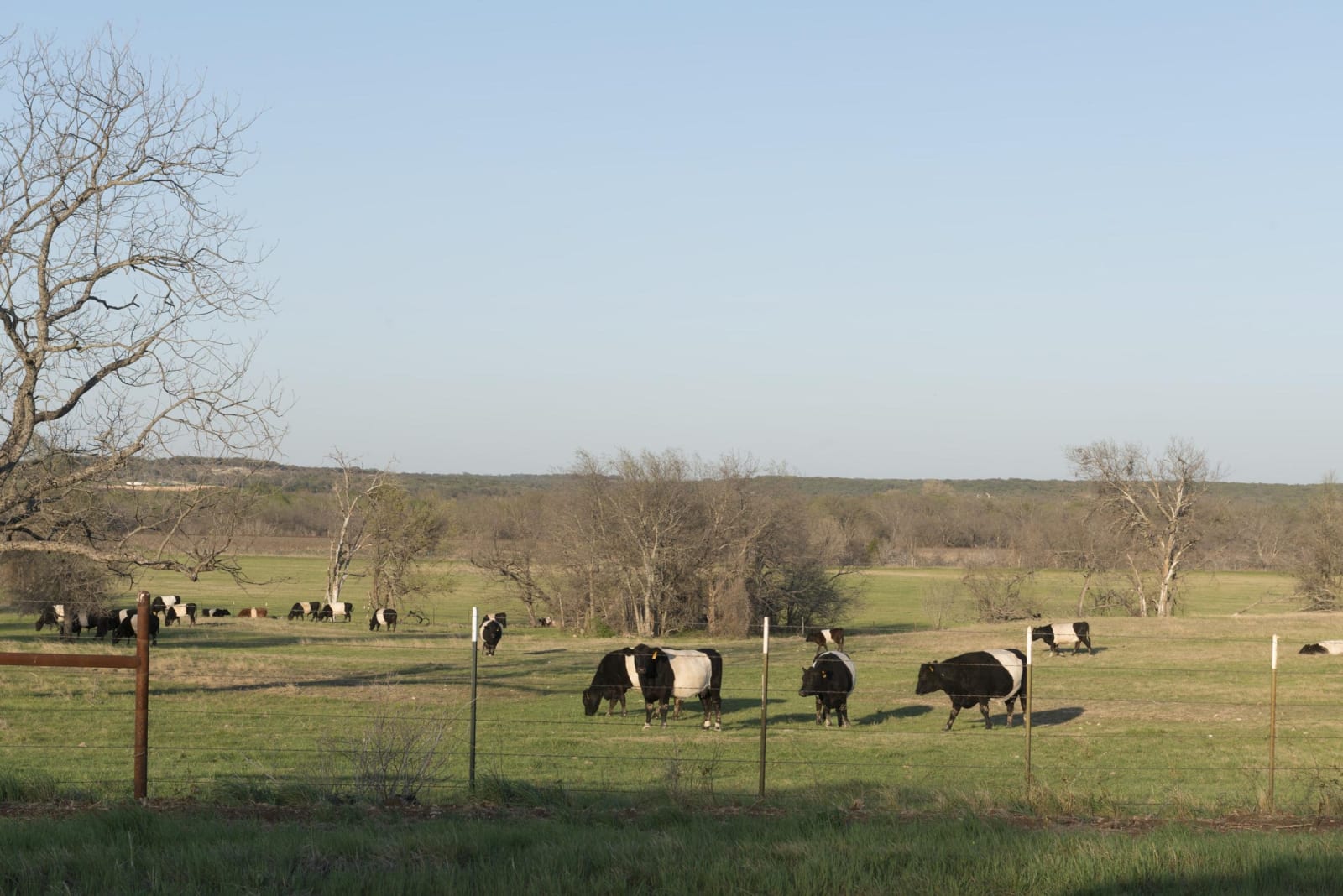
Waco, Temple & the Heart of Texas
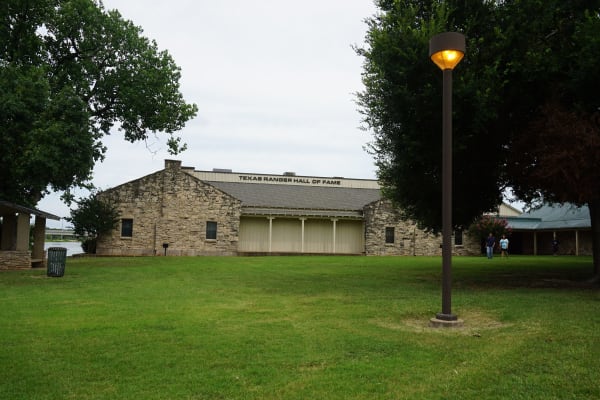
Waco Mammoth National Monument, the Ranger museum, Dr Pepper Museum and Suspension Bridge, Temple's depot, Mother Neff and Meridian parks, Clifton and two courthouses.
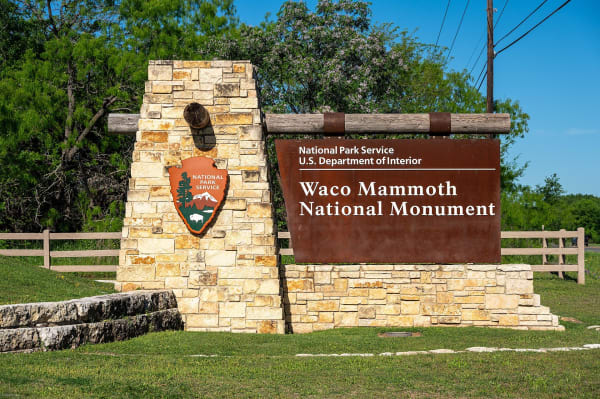
The Brazos, the Bosque and the Leon cross this country, which the Handbook of Texas gives to the Tonkawa, Waco and Tawakoni before settlement. Mammoths came first: at Waco Mammoth National Monument a nursery herd of at least nineteen Columbian mammoths drowned in a Bosque flood 65,000 to 72,000 years ago. The Tonkawa used a cave at what is now Mother Neff State Park in the 1800s.
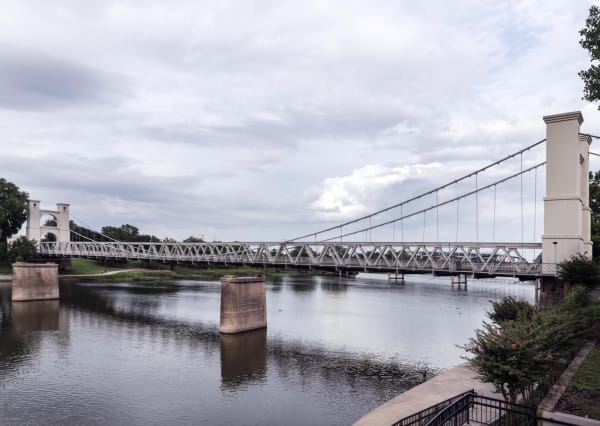
Settlers followed the water. Fort Fisher, a Ranger post of 1837, stood near a Waco Indian camp on the Brazos, and the Waco Suspension Bridge, opened in 1870, carried the cattle trade over it. Norwegians led by Cleng Peerson reached Bosque County in 1853, and the Bosque Museum in Clifton keeps a chair he made. Temple began in 1880 as a Santa Fe construction camp.
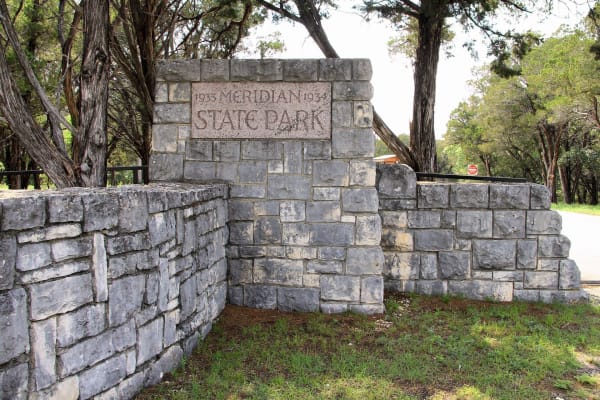
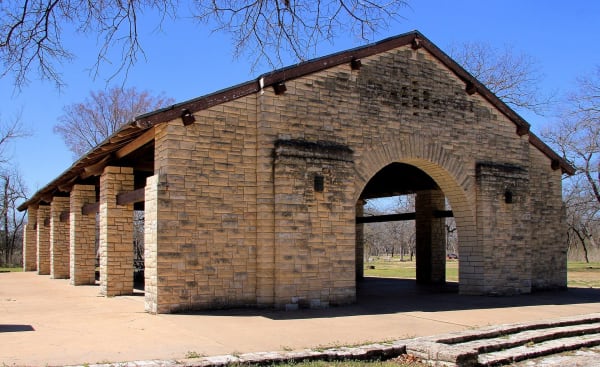
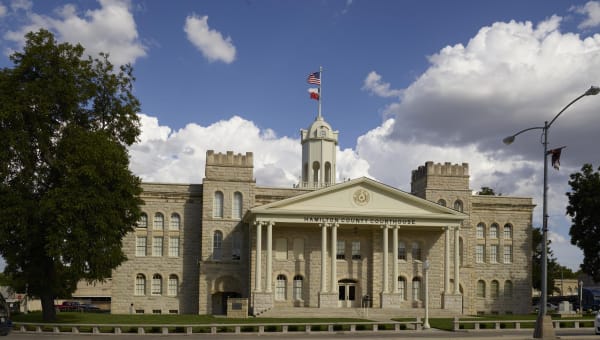
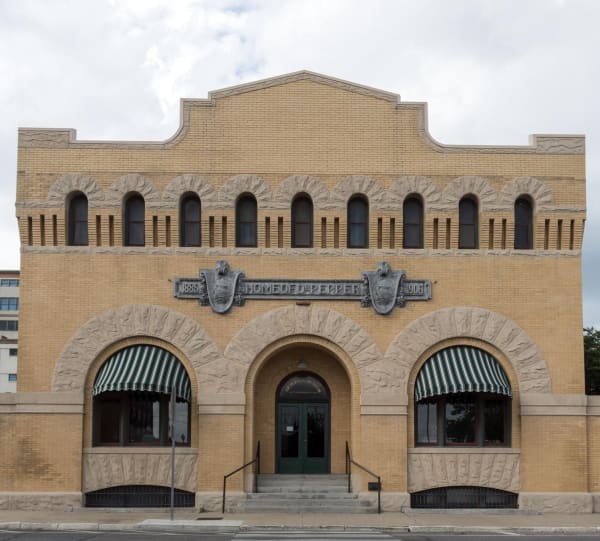
Dr Pepper began at a Waco drugstore in 1885, and Baylor holds what it calls the world's largest Browning collection. Hillsboro's courthouse burned on January 1, 1993 and was rebuilt by 1999; Hamilton's limestone courthouse dates to 1886-87. Civilian Conservation Corps crews built the parks at Meridian, where World War I veterans dammed Bee Creek, and at Mother Neff, which began as six acres Isabella Neff left the state in 1921.
What to See in Waco, Temple & the Heart of Texas
11 places across the region, grouped by what they are.
Natural Areas
Hikes & Trails
Historic Sites
Towns & Gateways
Architecture

Industry & Mining
Waco, Temple & the Heart of Texas rewards the unhurried. Pick a base, fan out, and let the country between the headline stops surprise you.
← Explore more of Open Road Guide