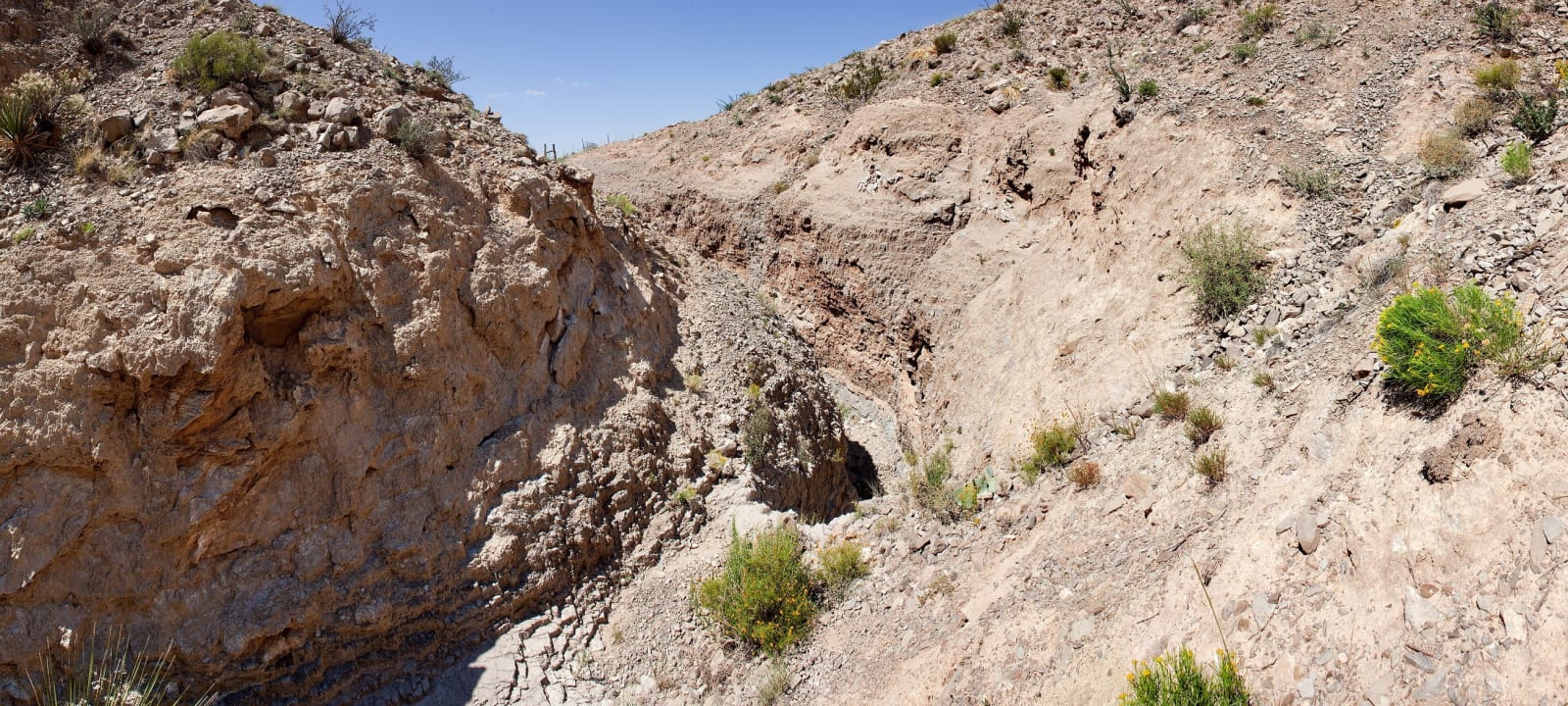
The Pecos & Carlsbad Caverns
The bat flight at Carlsbad Caverns, the cattle trail up the Pecos, Roswell's 1947 debris, and the salt beds where the country buries its nuclear waste.
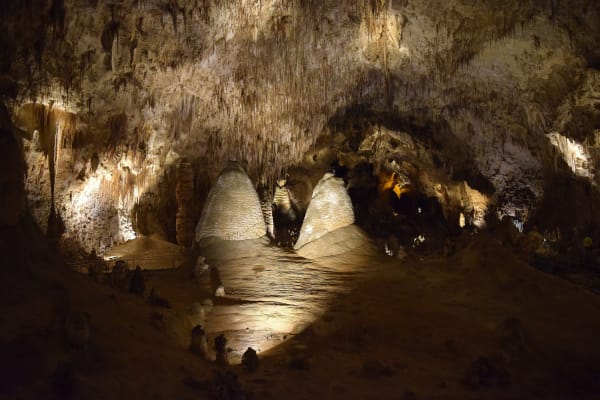
Under the Guadalupe Mountains, in the remains of a reef that grew in an inland sea some 265 million years ago, water and sulfuric acid hollowed out Carlsbad Caverns. Mescalero Apache people knew the cave mouth long before a young cowhand named Jim White began exploring the passages in the 1890s; the cave became a national monument in 1923 and a national park in 1930. On summer evenings hundreds of thousands of Brazilian free-tailed bats pour out of the entrance at dusk.
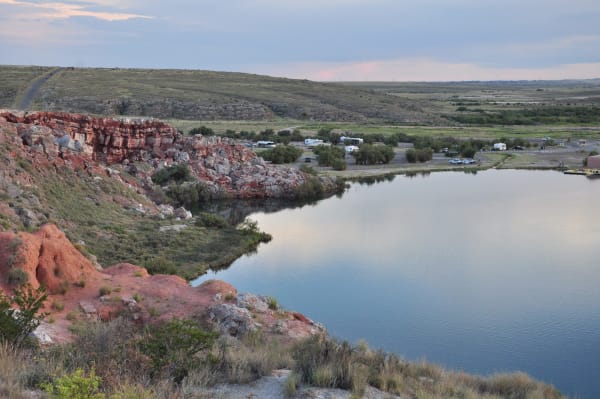
In 1866 Charles Goodnight and Oliver Loving drove a herd of Texas longhorns up the Pecos to sell to the army at Fort Sumner, opening the trail that carried their names north to Colorado and Wyoming. Loving died the next year of wounds from a Comanche attack on the river. John Chisum built his cattle empire around Roswell, and the Pecos valley was turned to irrigated farms in the 1890s.
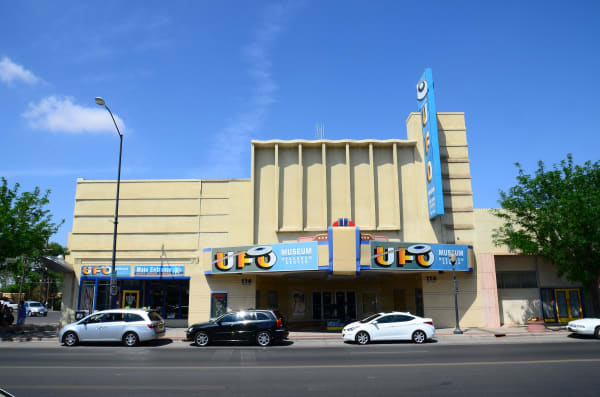
In July 1947 a rancher brought debris from his pasture northwest of Roswell, and the army field announced it had recovered a flying disc before calling it a weather balloon; in the 1990s the Air Force said it came from Project Mogul, a classified program to detect Soviet nuclear tests. East of the Pecos the oil fields of Lea County began in the 1920s, and near Carlsbad, since 1999, the government has buried radioactive waste from nuclear weapons work in salt beds 2,150 feet underground.
What to See in The Pecos & Carlsbad Caverns
4 places across the region, grouped by what they are.
Geology & Rock Formations
Natural Areas
Attractions
Stories from The Pecos & Carlsbad Caverns
The Pecos & Carlsbad Caverns rewards the unhurried. Pick a base, fan out, and let the country between the headline stops surprise you.
← Explore more of Open Road Guide