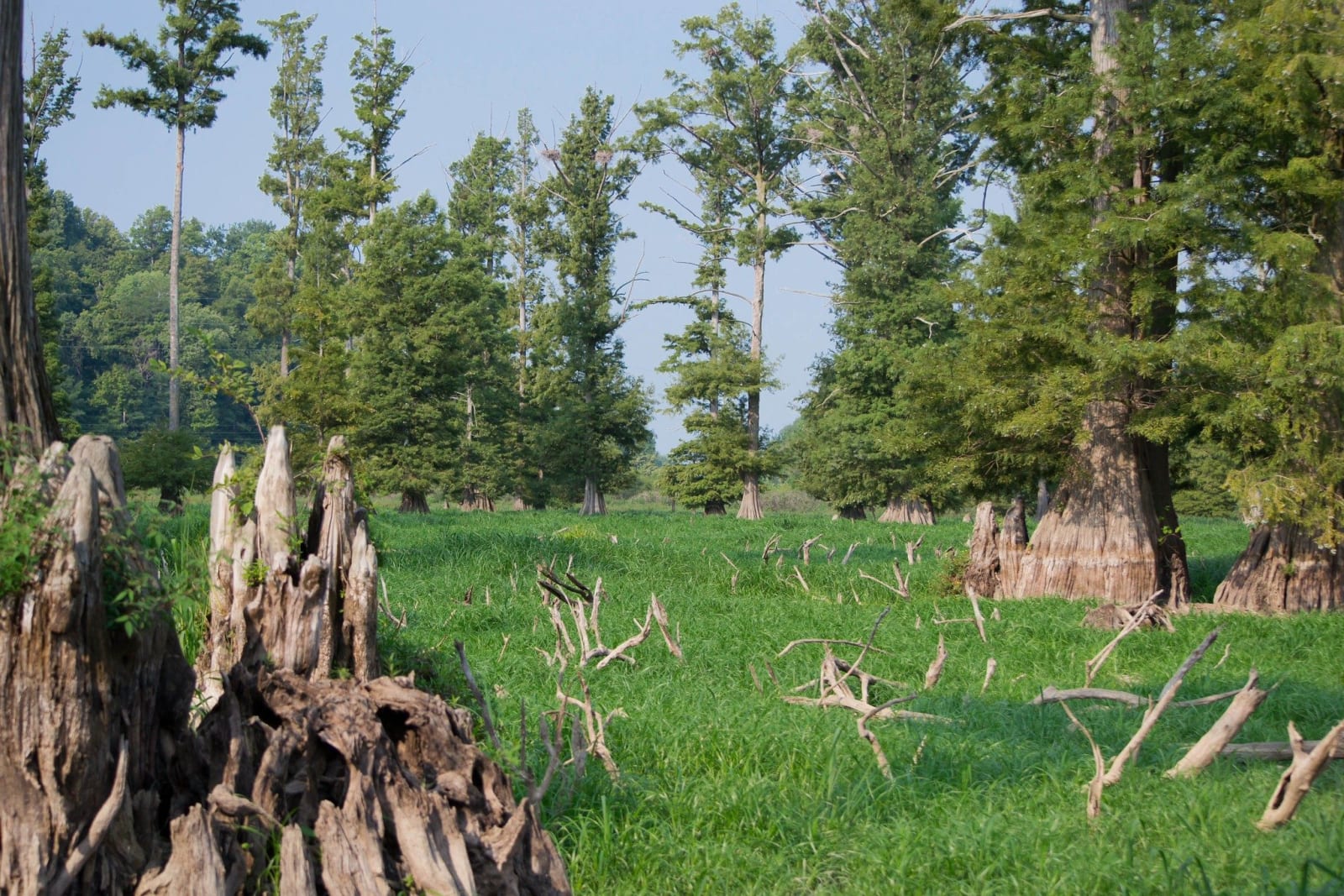
Owensboro & the Western Coalfield
Bill Monroe's Rosine and Owensboro's bluegrass hall, mutton barbecue, Audubon's Henderson, Prine's lost Paradise, and the Cherokee graves at Hopkinsville.
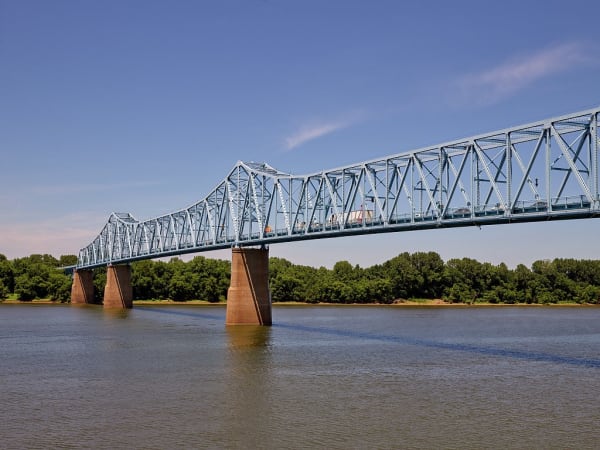
People lived along this stretch of the Ohio for thousands of years, and the last Shawnee had been forced from it by the end of the 1700s, before settlers came to the Yellow Banks that became Owensboro. In 1838 Cherokee families driven west camped on the Little River at Hopkinsville, where Whitepath and Fly Smith lie at the Trail of Tears Commemorative Park.
This is coal and river country. Audubon failed at a Henderson mill and sold the people his household enslaved before he painted America's birds. Strip mines and a TVA plant erased Paradise, the Muhlenberg town John Prine sang about, and his ashes rest in the Green River at Rochester Dam. Merle Travis, from a mining family, carried the county's thumbpicking to the world and wrote Sixteen Tons. At Morganfield a German prisoner painted the walls of Camp Breckinridge, built on 1,500 families' farms, and Hopkinsville's museum tells the Night Riders' 1907 raid.
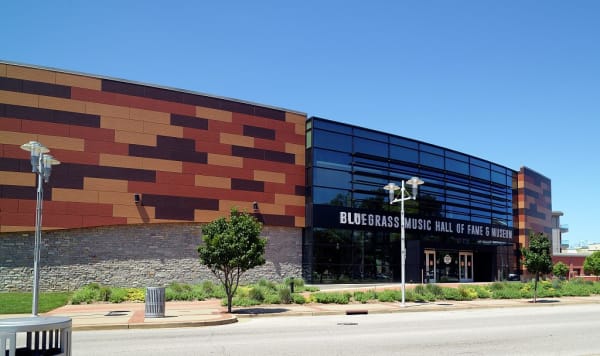
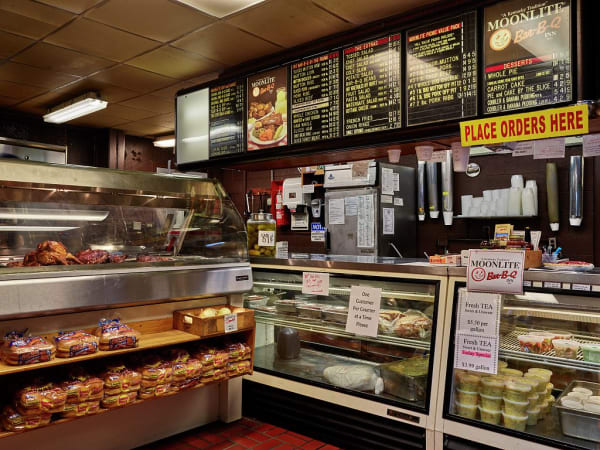
Then there is the music. Bill Monroe was born on Jerusalem Ridge above Rosine in 1911 and learned from his Uncle Pen and from Arnold Shultz, a Black fiddler; the Rosine barn still fills on Friday nights. Owensboro keeps the Bluegrass Music Hall of Fame on its riverfront and smokes mutton at Moonlite; downtown, in 1936, Rainey Bethea was hanged in the nation's last public execution.
What to See in Owensboro & the Western Coalfield
11 places across the region, grouped by what they are.
Historic Sites
Towns & Gateways
Food & Drink
Owensboro & the Western Coalfield rewards the unhurried. Pick a base, fan out, and let the country between the headline stops surprise you.
← Explore more of Open Road Guide