Northern Virginia & the Potomac
Potomac country from Great Falls to the Blue Ridge: Mount Vernon and Arlington House, Alexandria's Freedom House, Manassas, Waterford and Prince William Forest.
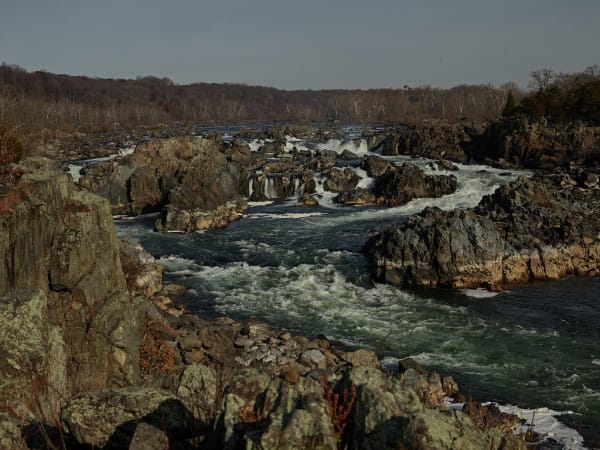
The Potomac was a river of Algonquian-speaking peoples long before it was a border. The Doeg lived along its Virginia shore and the Piscataway across it, fishing and trading at Great Falls, and Woodlawn now honors the Doeg. Along Quantico Creek, in Prince William Forest Park, people camped and hunted for some 8,000 years.
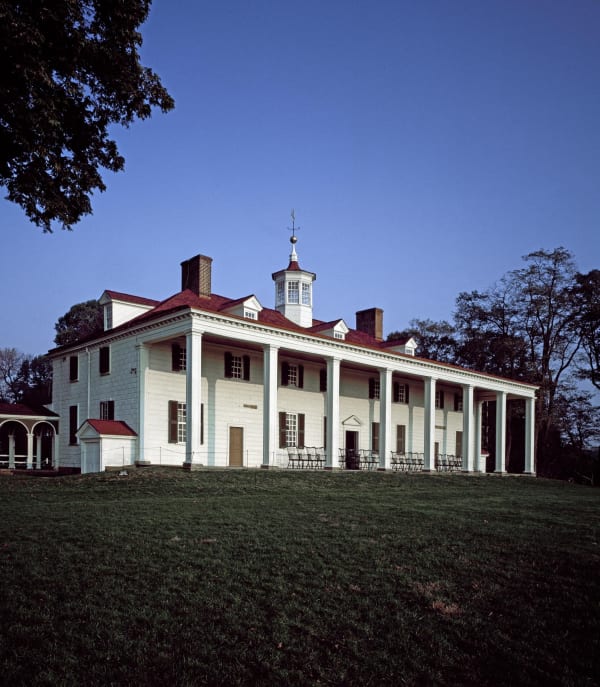
Then came the plantations and the trade that fed them. Mount Vernon held 317 enslaved people in 1799, Arlington House nearly 100 before the Civil War, and at 1315 Duke Street in Alexandria, now the Freedom House Museum, Franklin and Armfield shipped at least 5,000 people south. Old Town keeps markers for Joseph McCoy and Benjamin Thomas, lynched by mobs in 1897 and 1899, and the library won by the 1939 sit-in. Woodlawn's Quakers farmed without slaves, and Waterford's Quakers raised Union cavalry.
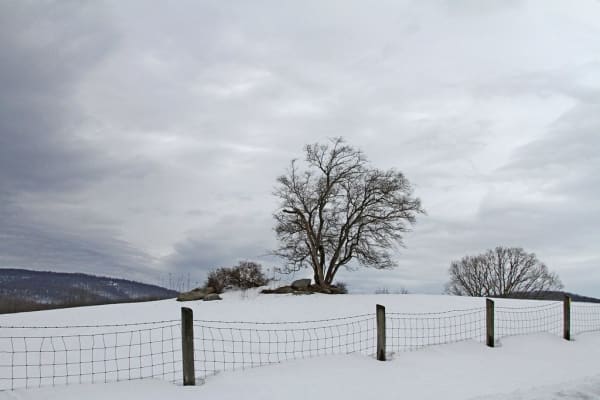
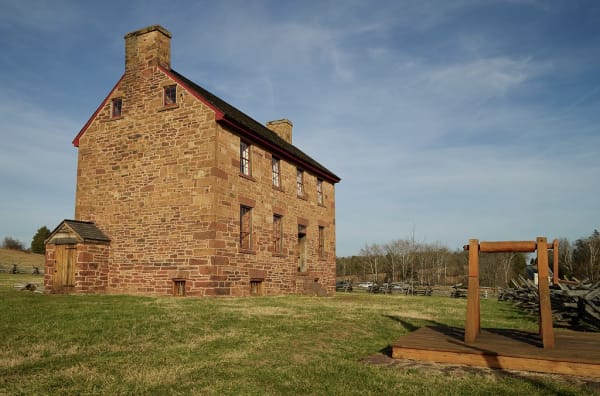
The war came to Manassas twice, killing Judith Henry in her house near the farm of James Robinson, a free Black man, and in 1863 Freedman's Village rose on Lee's Arlington estate. Afterward Jennie Dean, born enslaved, founded the Manassas Industrial School, and Black families built Batestown and Hickory Ridge until the government took their land for a park. West, Sky Meadows climbs the Blue Ridge to the Appalachian Trail, and at Dulles the Udvar-Hazy Center holds the shuttle Discovery.
What to See in Northern Virginia & the Potomac
12 places across the region, grouped by what they are.
Natural Areas
Historic Sites
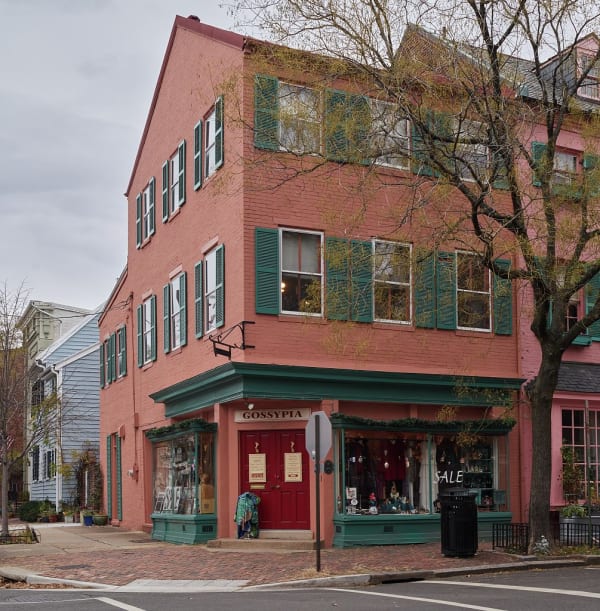
Towns & Gateways
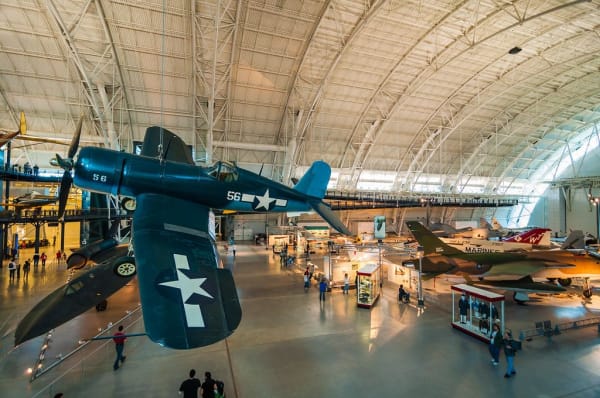
Architecture
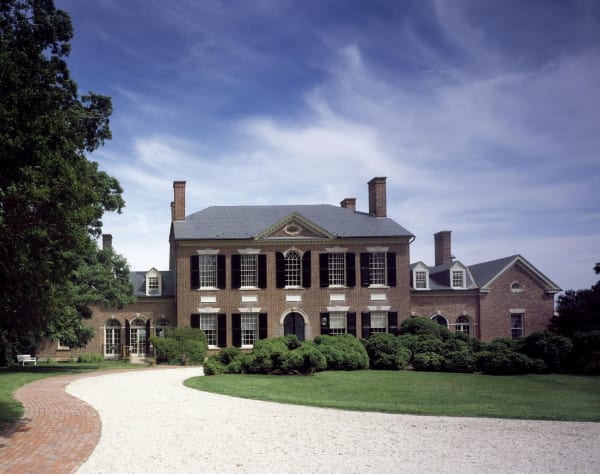
Northern Virginia & the Potomac rewards the unhurried. Pick a base, fan out, and let the country between the headline stops surprise you.
← Explore more of Open Road Guide