The Mississippi Delta
Winterville Mounds, the blues towns, the Greenville levee and the Emmett Till and Fannie Lou Hamer sites: the flat Delta where cotton, music and the movement met.
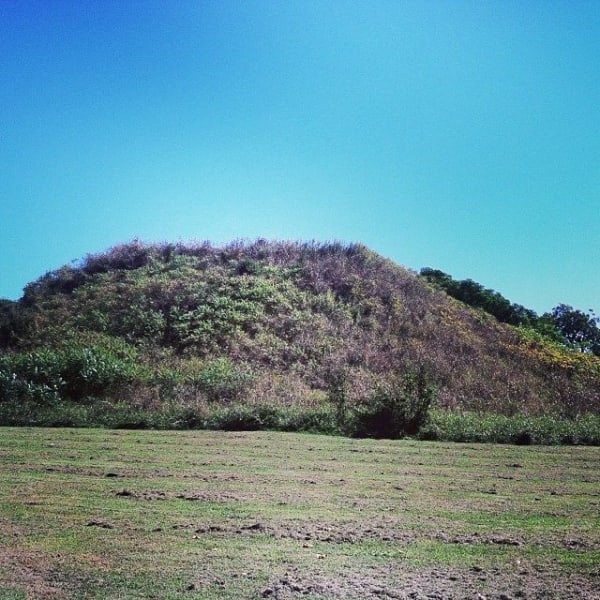
Long before cotton, the Delta belonged to the people who raised Winterville Mounds by hand from about AD 1000, a ceremonial center near Greenville that Mississippi's archives department says was most likely built by ancestors of the Natchez. When Hernando de Soto crossed the river in 1541 he met the Quizquiz, who later reorganized as the Tunica. Delta National Forest keeps some of the bottomland hardwood that once covered the country.
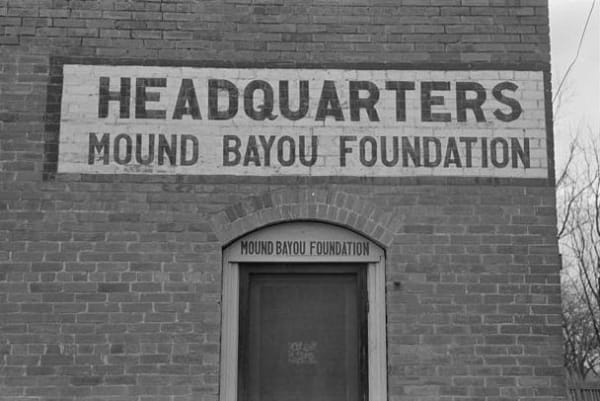
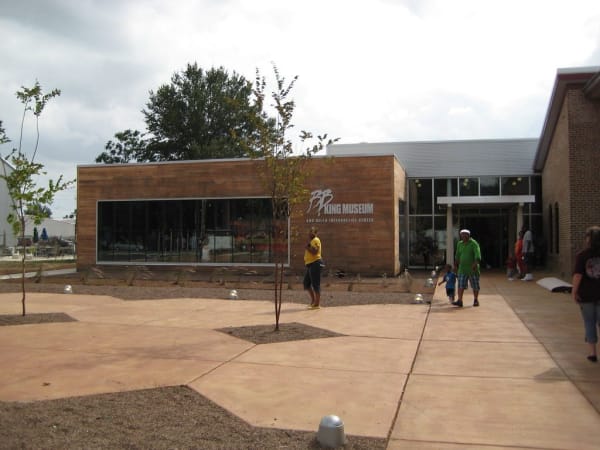
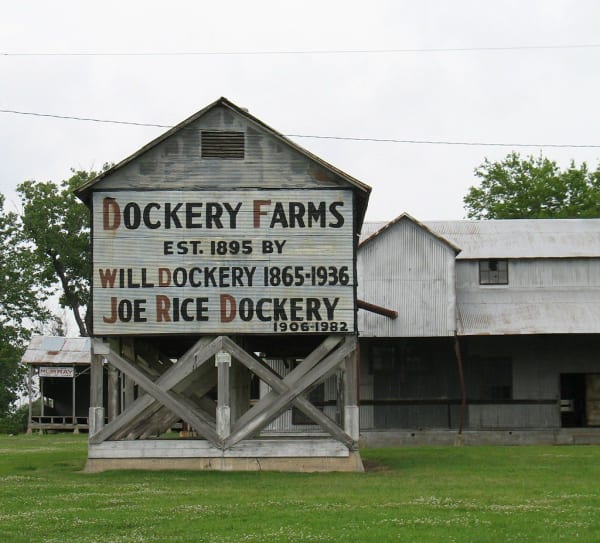
Then came levees, plantations and railroads, and a cotton economy built on Black labor that gave little back. Dockery Farms, the Greenville levee in 1927 and Parchman Farm show it from different angles, and Mound Bayou shows another answer, a town founded in 1887 by formerly enslaved men to be their own. The same ground gave the country its music, from Charley Patton at Dockery to the museums in Clarksdale and Indianola.
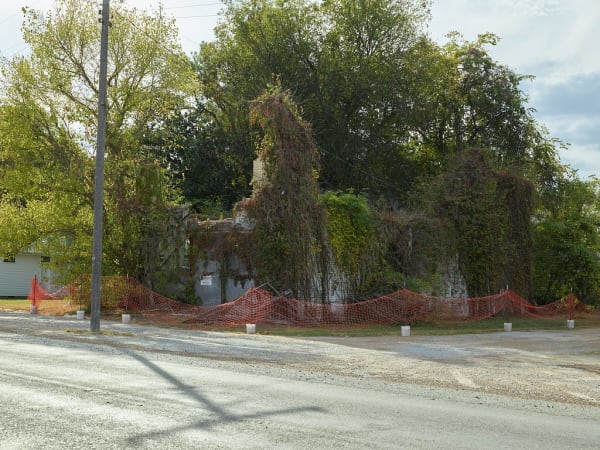
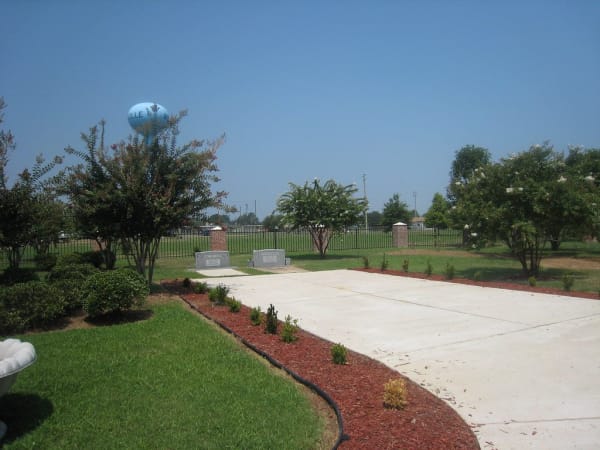
It is also where the civil rights movement turned on a murder and a grave. Bryant's Grocery in Money and the courthouse and interpretive center in Sumner hold the story of Emmett Till, and Fannie Lou Hamer lies in Ruleville beside her husband. Roadside markers from the Mississippi Freedom Trail and the Blues Trail carry much of the telling. The country is flat and the distances long, so plan quiet stops.
What to See in The Mississippi Delta
11 places across the region, grouped by what they are.
Natural Areas
Historic Sites
Towns & Gateways
The Mississippi Delta rewards the unhurried. Pick a base, fan out, and let the country between the headline stops surprise you.
← Explore more of Open Road Guide