Memphis & West Tennessee
Chickasaw country, Mississippi bluffs and cotton land: Pinson Mounds, Chucalissa, Fort Pillow, the Lorraine Motel, Sun, Stax, Graceland and the Haley and Turner towns.
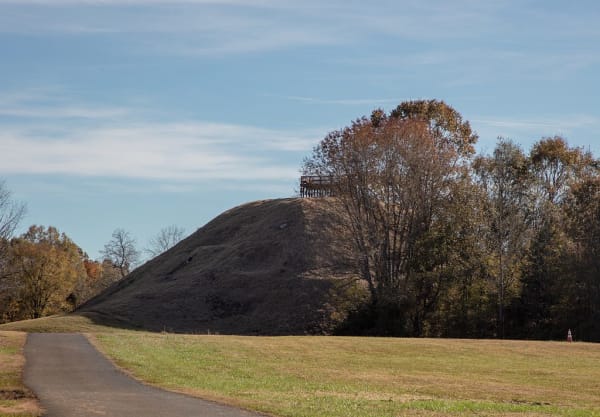
West Tennessee was Chickasaw country until the treaty of 1818, and older peoples left their marks first. At Pinson Mounds, the earthworks went up some two thousand years ago, and Sauls Mound is the second tallest in the country. At Chucalissa, on the bluffs above the Mississippi, a Mississippian town stood until its people left before the Spanish came.
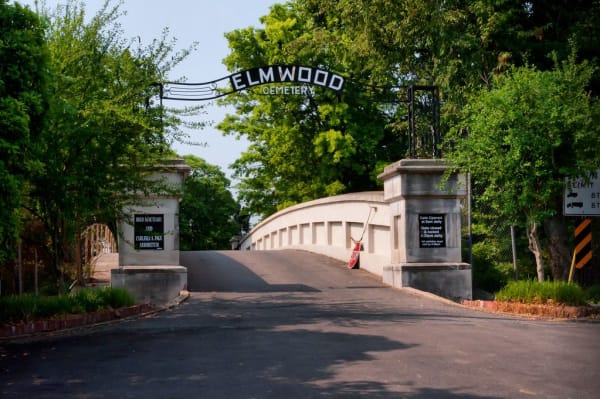
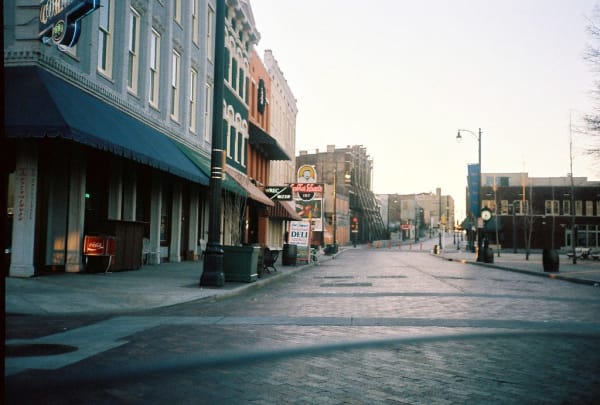
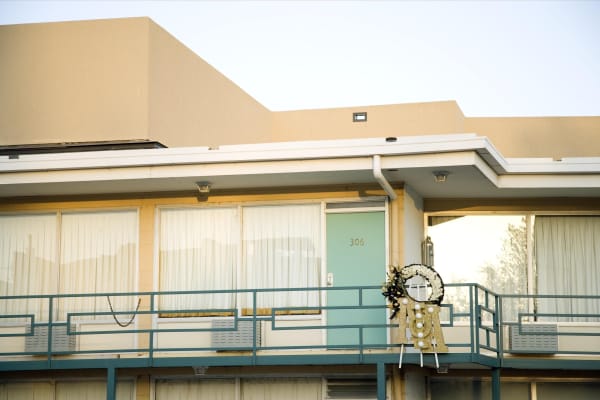
Cotton and the river shaped what followed, and the region does not look away from it. Fort Pillow is where Confederate troops killed Black Union soldiers trying to surrender in 1864. Army Park in Memphis marks the 1866 massacre of Black Memphians, and the Lorraine Motel, where Martin Luther King Jr. was killed in 1968, is now the National Civil Rights Museum. Beale Street and Elmwood Cemetery carry the city's Black leaders, from Robert R. Church Sr. to Ida B. Wells.
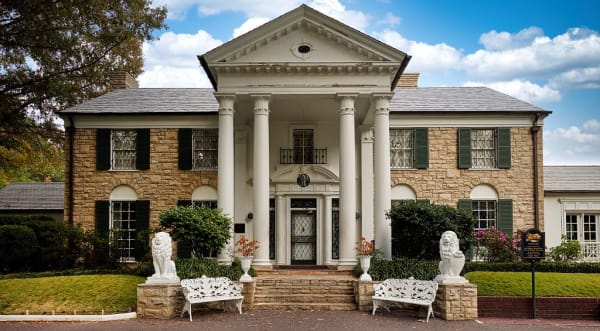
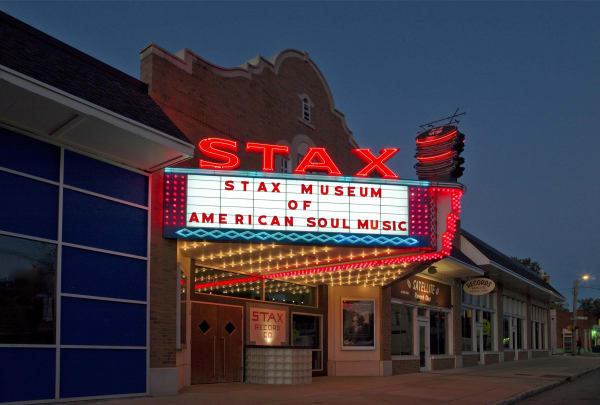
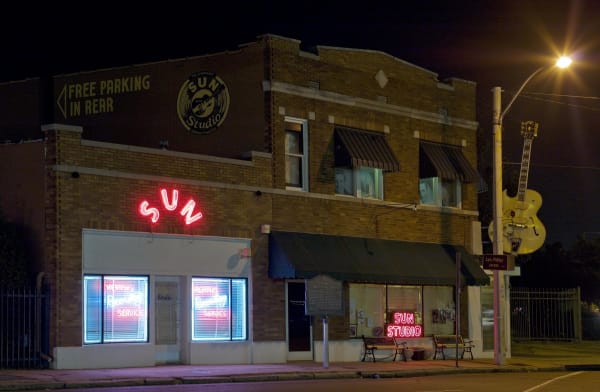
The music came out of the same ground. Sun Studio and the Stax Museum tell it from two rooms, and Graceland is the house Elvis bought once he was famous. In the cotton counties east and north, Alex Haley's boyhood home in Henning and Tina Turner's school in Brownsville show where other stories began, and the Delta Heritage Center beside it keeps Sleepy John Estes's house. Leave time for the back roads between them.
What to See in Memphis & West Tennessee
12 places across the region, grouped by what they are.
Historic Sites
Towns & Gateways
Scenic Drives through Memphis & West Tennessee
Memphis & West Tennessee rewards the unhurried. Pick a base, fan out, and let the country between the headline stops surprise you.
← Explore more of Open Road Guide