Lincoln & the Southeast
The 400-foot capitol in Lincoln, Freeman's 1863 homestead claim, Rock Creek Station, Arbor Lodge, and carvings on the sandstone above the Missouri at Indian Cave.
Southeast Nebraska was home to the Jiwere and Nutachi, the Otoe and Missouria, whose last Nebraska land was a reservation on the Big Blue River along the Kansas line. In 1881 they sold it under pressure and walked to Red Rock in Indian Territory. The Ioway still hold land in Richardson County, on a reservation that crosses into Kansas. Along the Missouri the 1830 Treaty of Prairie du Chien set aside a tract for the mixed-descent children of these nations, and most of it passed to white buyers within a generation.
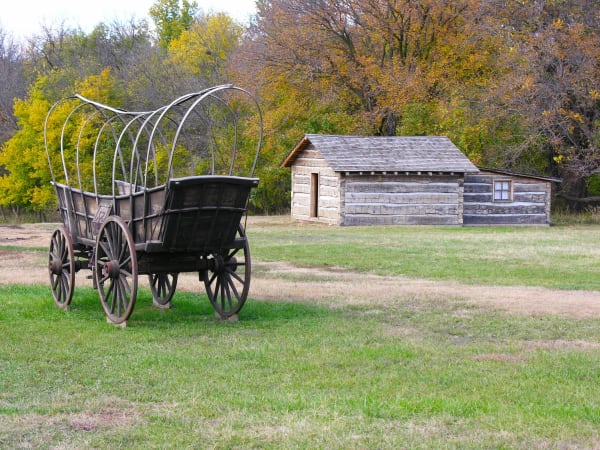
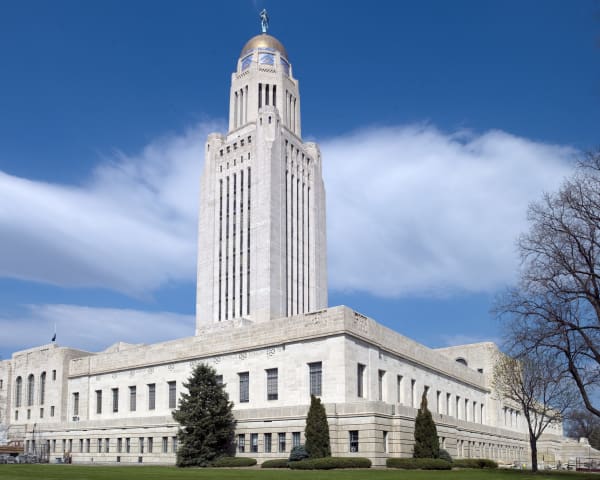
Lincoln is the center, and its capitol, a 400-foot tower finished in 1932 with a bronze sower on top, can be seen for miles across the farmland. South on the Big Blue, Homestead National Historical Park sits on Daniel Freeman's claim near Beatrice, one of the first filed under the Homestead Act on January 1, 1863. Southwest of there, at Rock Creek Station, a stock hand named Hickok killed David McCanles in 1861.
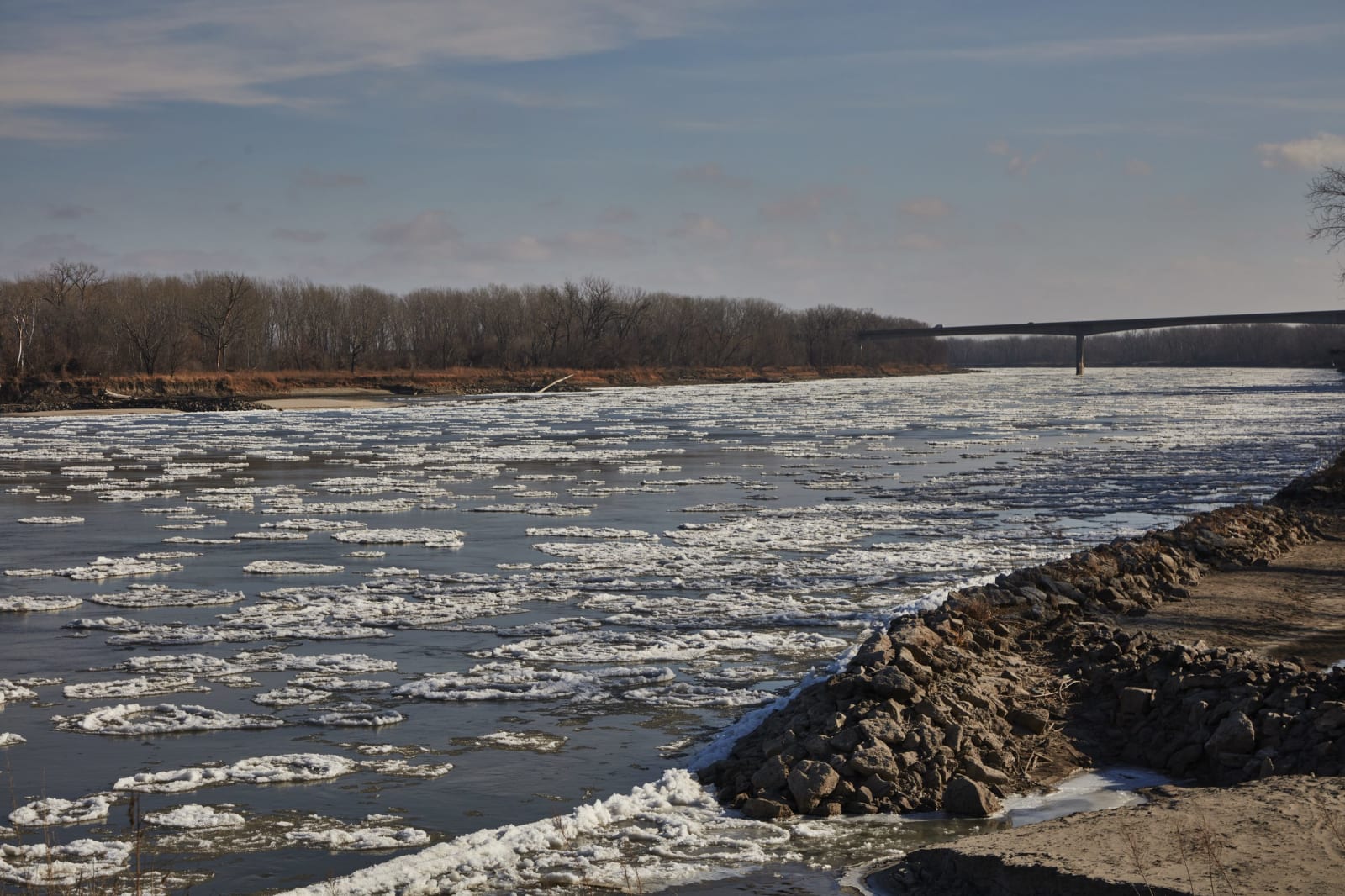
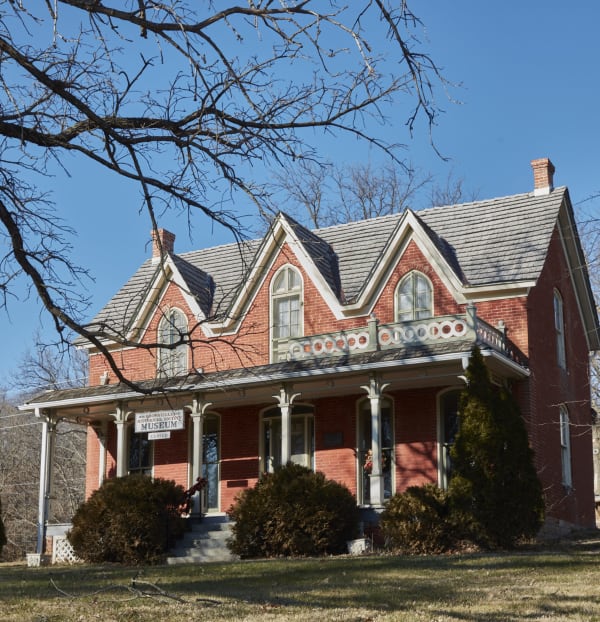
The river counties are hillier and wooded. Nebraska City has Arbor Lodge, J. Sterling Morton's 52-room house, and to the south Indian Cave State Park keeps old carvings of animals on a sandstone wall above the Missouri.
What to See in Lincoln & the Southeast
6 places across the region, grouped by what they are.
Historic Sites


Architecture
Stories from Lincoln & the Southeast
Lincoln & the Southeast rewards the unhurried. Pick a base, fan out, and let the country between the headline stops surprise you.
← Explore more of Open Road Guide