Laredo, Zapata & the Brush Country
San Agustín Plaza and the Republic of the Rio Grande Museum in Laredo, Fort McIntosh, San Ygnacio, the Zapata museum, Falfurrias and the Duval County courthouse.
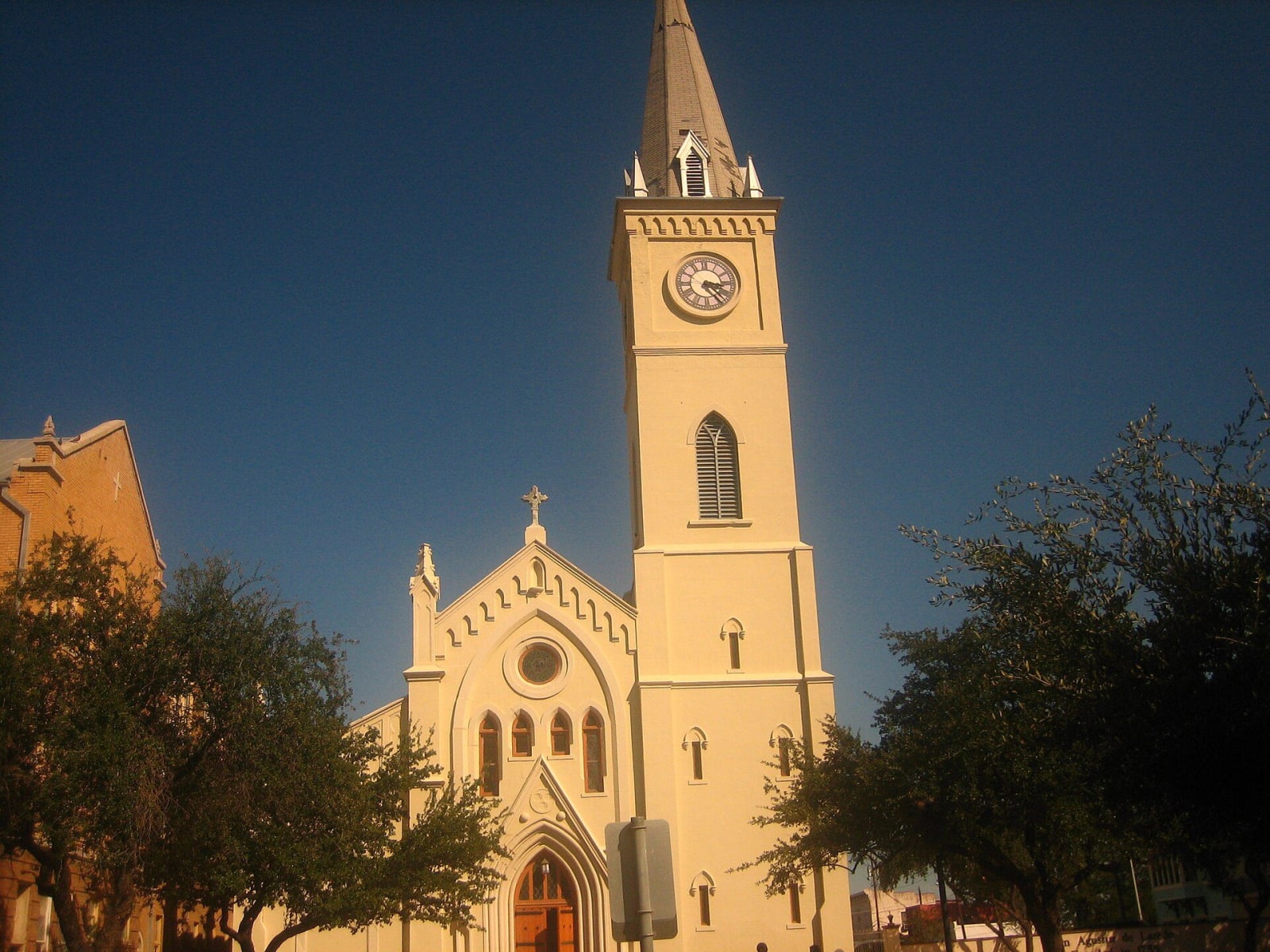
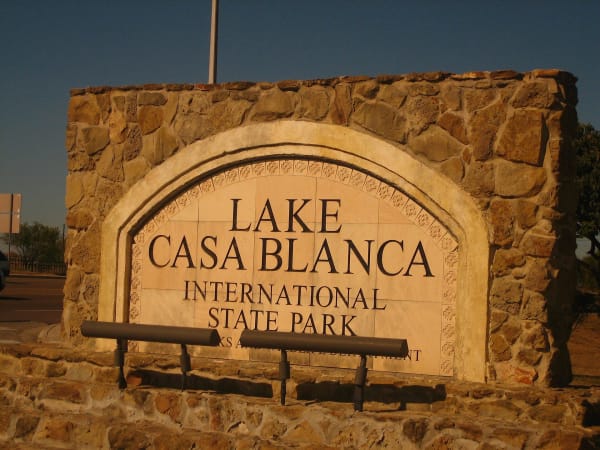
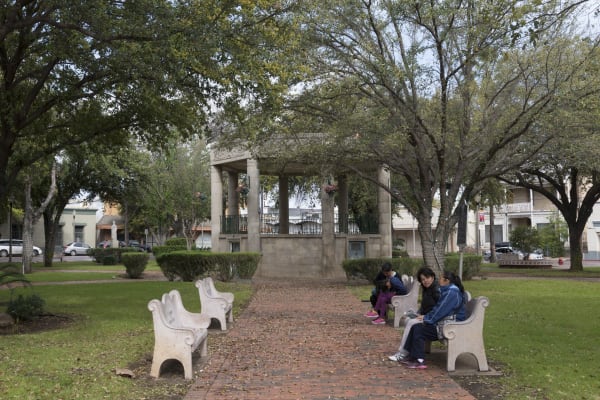
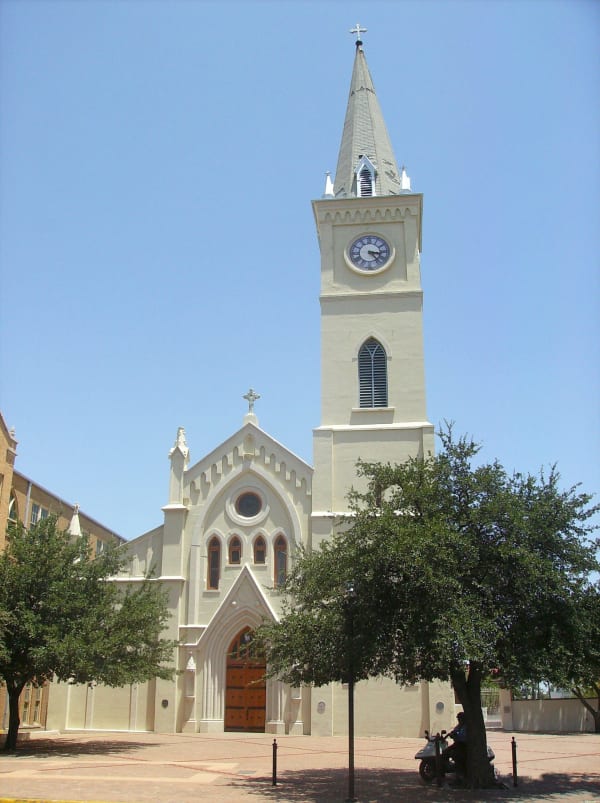
Carrizo and other Coahuiltecan peoples hunted this stretch of the Rio Grande for thousands of years before Spain arrived. Laredo was founded in 1755 as the last of Escandón's towns, and in 1789 110 of its 708 people were Carrizo. San Agustín Plaza and its church are still the center. In 1840 federalists declared the short-lived Republic of the Rio Grande here, and Fort McIntosh, begun in 1849, guarded the crossing. Its barracks and 1895 chapel now sit on a college campus, and Lake Casa Blanca, a state park since 1991, offers bass fishing at the city's edge.
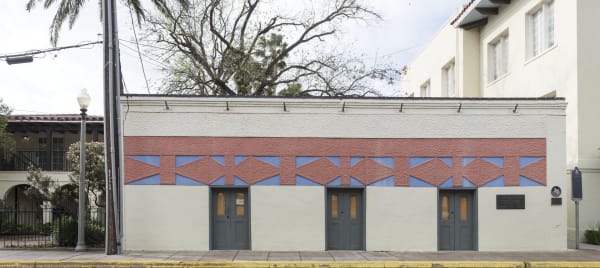
Downriver, the sandstone houses of San Ygnacio stand on a grant of 1750, with the Treviño-Uribe Rancho of 1830 among them. Falcon Dam drowned old Zapata in 1953-54 and moved about 3,000 people, a story the Zapata County museum keeps. San Ygnacio's post office, opened in 1876 under Fernando Uribe, now works from a restored Uribe family house.
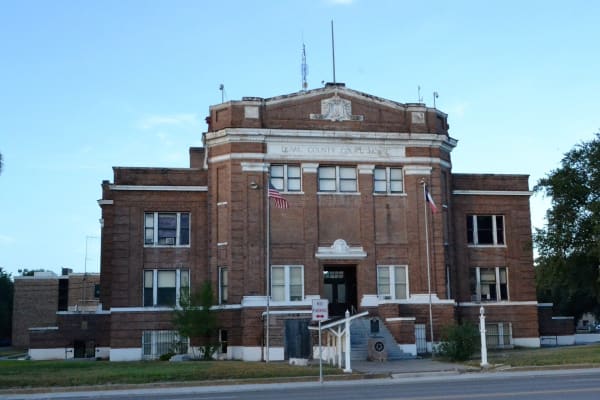
East of the river the land turns to ranch country. Edward Lasater built Falfurrias around a railroad and a Jersey herd, and pilgrims still come to Don Pedrito Jaramillo's grave nearby. In San Diego, the Duval County courthouse recalls the Parr family machine, which ran the county until 1975. On May 18, 1912, three Anglo men shot dead three Mexican American officials on the courthouse grounds: Candelario Sáenz, Antonio Anguiano and Pedro Eznal.
What to See in Laredo, Zapata & the Brush Country
10 places across the region, grouped by what they are.
Hikes & Trails
Historic Sites

Towns & Gateways
Architecture

Laredo, Zapata & the Brush Country rewards the unhurried. Pick a base, fan out, and let the country between the headline stops surprise you.
← Explore more of Open Road Guide