 Carol M. Highsmith / public domain via Wikimedia Commons
The Story
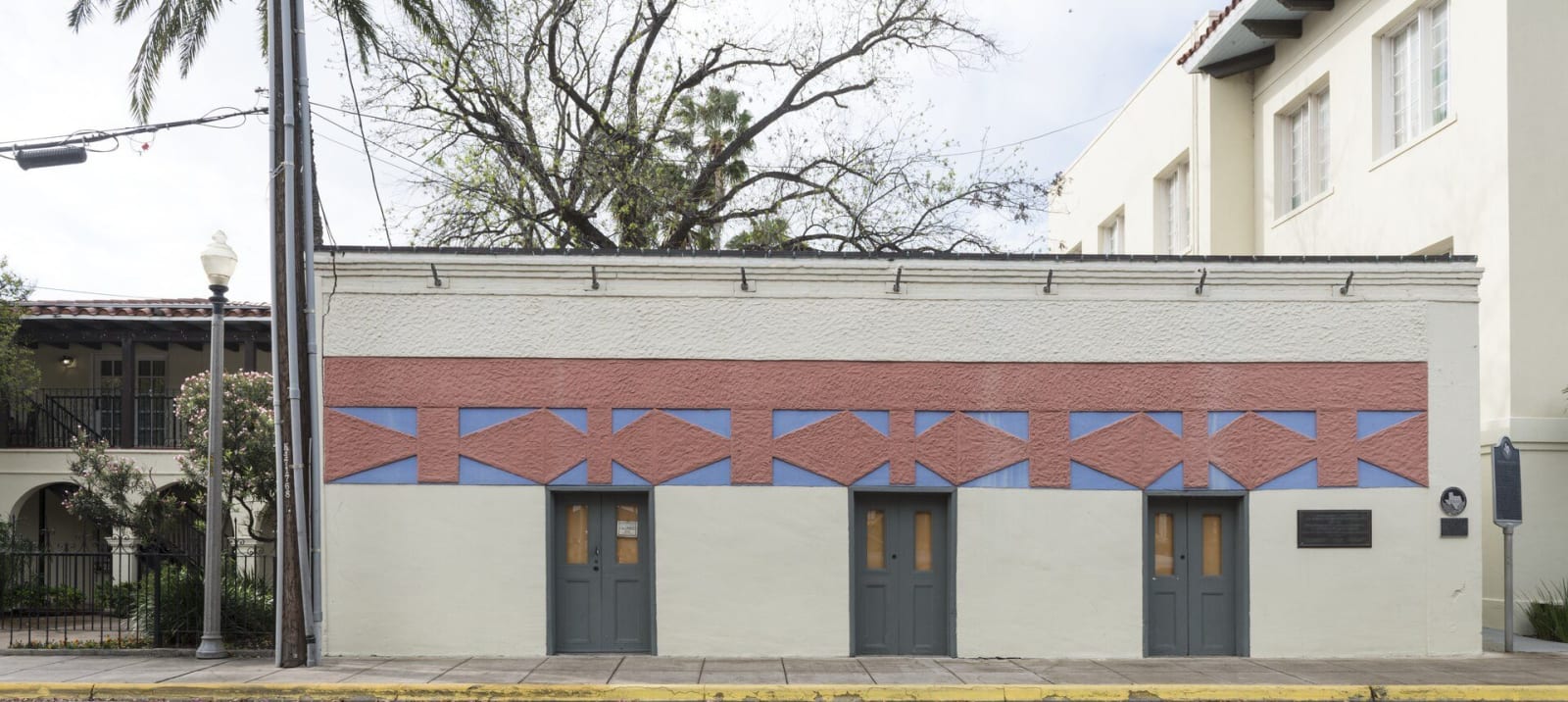
The Republic of the Rio Grande lasted less than a year. On January 17, 1840, federalist leaders met in convention at Laredo and declared independence from Mexico's centralist government, with Jesús de Cárdenas as president and Antonio Canales as commander of the army. They claimed a great arc of northern Mexico, from the Nueces and Medina rivers south and west. Tradition says this house on San Agustín Plaza was their capitol.
The republic fell fast. Mariano Arista's army beat Canales at Morales, Coahuila, on March 24 and 25, and Antonio Zapata, his cavalry commander, was captured and executed. Texas president Mirabeau Lamar privately sympathized but gave no official help, and Canales surrendered at Camargo on November 6. Zapata's name survives on the river: the town downstream was renamed Zapata in 1898 for the colonel.
The building is older than the republic's brief life. It dates to about 1830, with an addition of 1860, and was the home of Bartolomé García, a rancher and mayor of Laredo. It is a Recorded Texas Historic Landmark. Inside, the permanent exhibit shows day-to-day life in a mid-nineteenth-century Laredo home: a kitchen with period utensils, a bedroom, and a ranching office. A bilingual gallery in front tells the story of the republic. The Webb County Heritage Foundation runs the museum.
Visitor Info
On the Map
Nearby
The closest stops worth working into your route
Historical markers nearby
Roadside plaques and monuments within a short detour