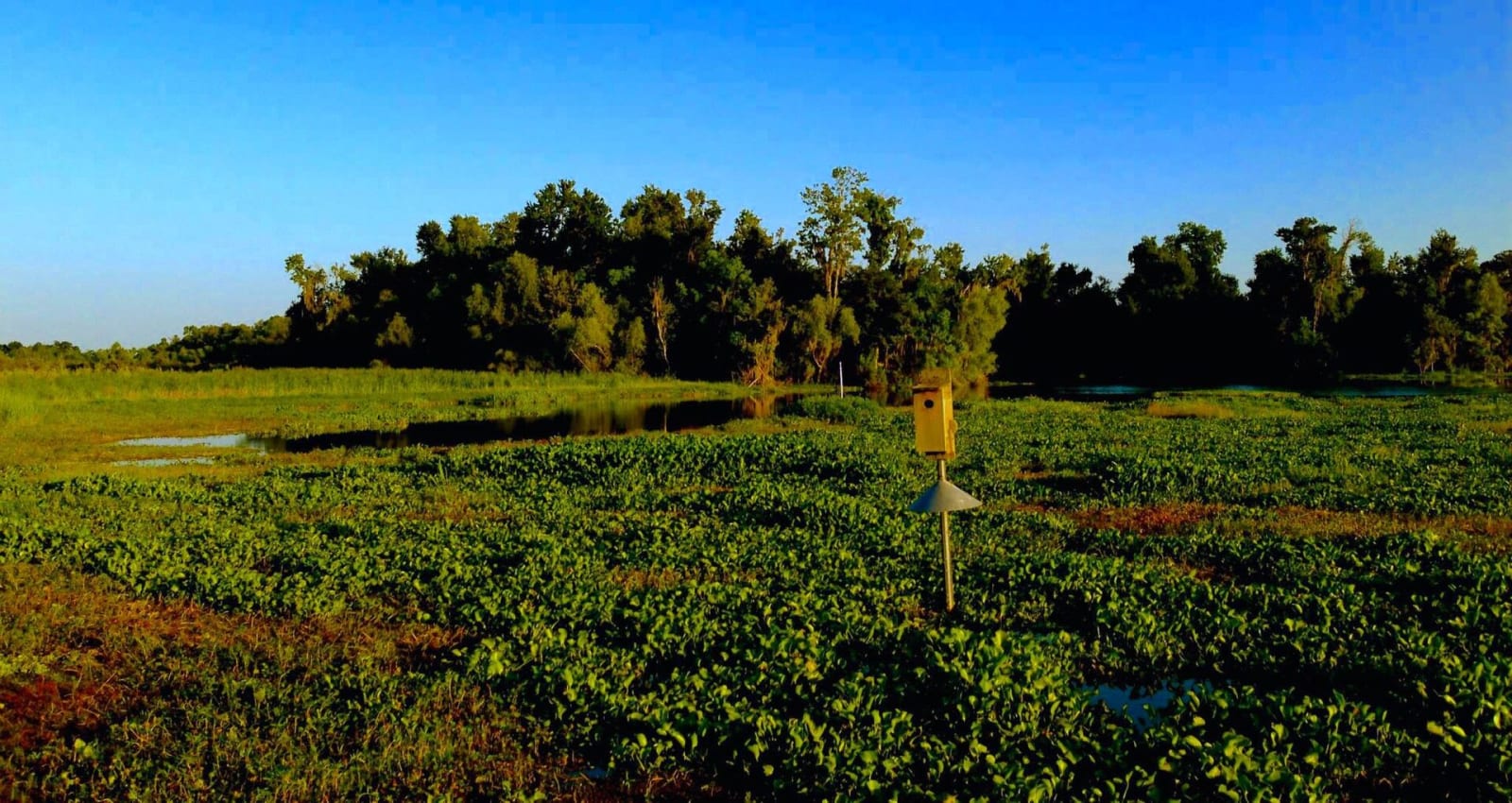
Green floating vegetation and open water at Mandalay National Wildlife Refuge near Houma, with a wooden nest box on a pole in front of a dark line of cypress and oak.
Nicolai E. Andersen / CC BY-SA 4.0 via Wikimedia Commons
Louisiana · Region

Houma & the Bayou Coast

Chitimacha history at Charenton, sugar plantations and the 1887 Thibodaux massacre, Acadian bayou life, a marine lab and marsh refuge, and Teche towns.

10 places to explore

The Chitimacha were here first. At the Chitimacha Museum in Charenton, the tribe places its old territory across the Atchafalaya Basin and out to the Gulf, and tells how slave raids and a war with the French, from 1706 to 1718, drove its families from Bayou Lafourche, once called the River of the Chitimacha, to Grand Lake and the Teche. The ancestors of the United Houma Nation began moving into Terrebonne Parish in the 1780s, the parish where Southdown stands.

Sugar built what followed, and enslaved people worked it. Southdown in Houma held 233 enslaved people by 1852, and the E. D. White house on Bayou Lafourche was built by enslaved people. Laurel Valley near Thibodaux held as many as 135 before the Civil War, and its workers' village still stands in the parish where cane workers struck in 1887 and vigilantes killed Black residents of Thibodaux. The Wetlands Acadian Cultural Center tells the Acadian side and runs boat tours to the White house.

The coast is wetter ground: Mandalay's freshwater marsh, the marine laboratory at Cocodrie, the beach at Cypremort Point on Vermilion Bay, the cypress sawmill and racing planes of Patterson, and the Grevemberg House, the St. Mary Parish museum, in Franklin on Bayou Teche.

What to See in Houma & the Bayou Coast

10 places across the region, grouped by what they are.

Natural Areas
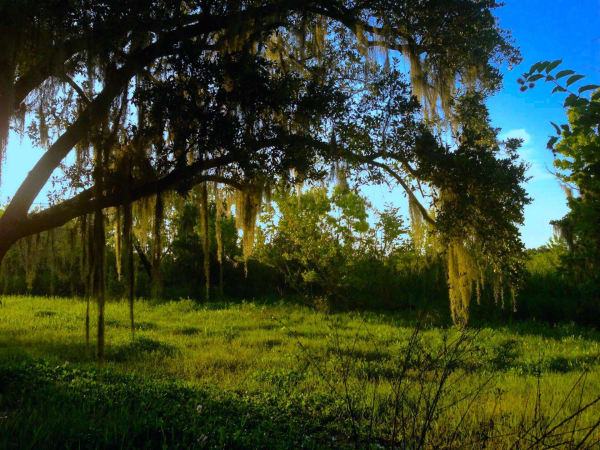
A live oak hung with Spanish moss arches over a green wet meadow at Mandalay National Wildlife Refuge, with blue sky behind the trees.

Mandalay National Wildlife Refuge

Houma

A 4,212-acre refuge of freshwater marsh and cypress-tupelo swamp southwest of Houma, with a nature trail to a boardwalk and observation deck and mostly boat-only access.

View details →

Hikes & Trails

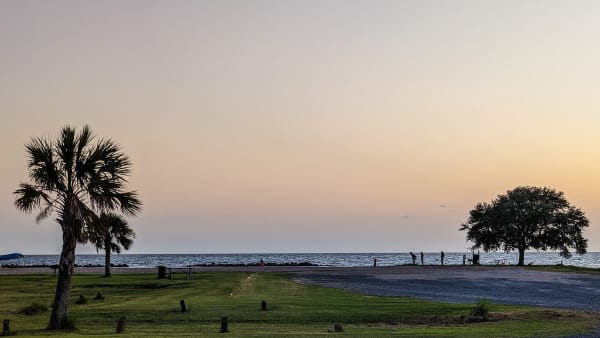
Two palmettos and a live oak stand on a grass lawn at Cypremort Point State Park, with the calm water of Vermilion Bay beyond a strip of sand under an orange evening sky.

Cypremort Point State Park

Cypremort Point

A 185-acre Vermilion Bay park reached by road, with a half-mile man-made beach, a marsh boardwalk, shore fishing and a boat launch, and a Chitimacha tradition of a great cypress here.

View details →

Historic Sites

E. D. White Historic Site

Thibodaux

A National Historic Landmark house of about 1790 on Bayou Lafourche, built by enslaved people and home to two Whites, a governor and a Chief Justice, with an exhibit on the bayou's history.

View details →
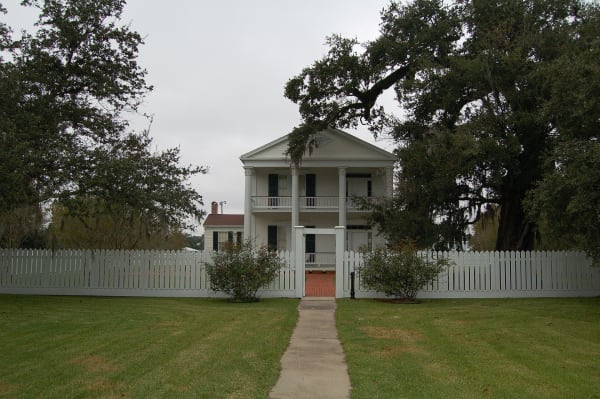
The Grevemberg House in Franklin, a white Greek Revival house with a two-story columned porch, seen over a white picket fence and a brick walk between live oaks.

Grevemberg House Museum

Franklin

Franklin's 1851 Greek Revival townhouse, the official St. Mary Parish museum, saved from demolition by one vote and set in the Franklin Historic District on Bayou Teche.

View details →
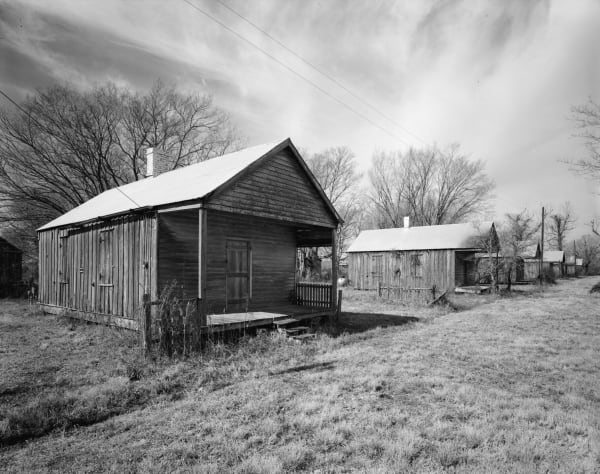
A black-and-white documentation photograph of a weathered wooden shotgun house with a front porch at the head of a row of workers houses at Laurel Valley Sugar Plantation.

Laurel Valley Village

Thibodaux

A sugar plantation's workers' village south of Thibodaux, with cabins of about 1845, shotgun houses, a store and cemetery, and the 1887 strike and massacre in the parish around it.

View details →
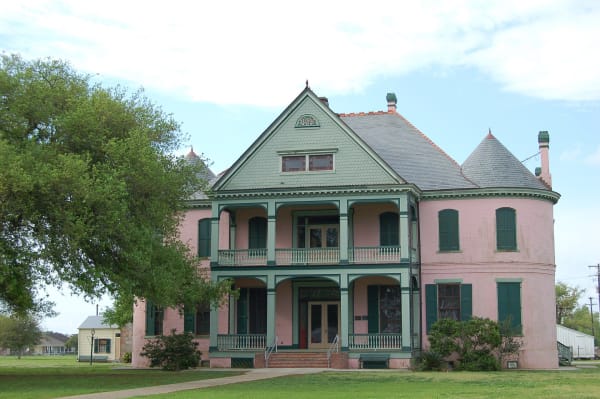
The front of Southdown Plantation House in Houma, a pink brick house with green trim, two tiers of galleries, round corner towers and 1893 in the gable, behind a lawn and a large live oak.

Southdown Plantation and Terrebonne Museum

Houma

A Greek Revival sugar plantation house in Houma, worked by 233 enslaved people by 1852, with the last Terrebonne mill's story and a worker's cabin of about 1885.

View details →

Towns & Gateways

Chitimacha Museum

Charenton

The Chitimacha Tribe of Louisiana's own museum at Charenton: the tribe's account of its territory, the French wars and enslavement, the land held in trust, and river cane baskets.

View details →

Wetlands Acadian Cultural Center

Thibodaux

A Jean Lafitte National Historical Park center on Bayou Lafourche with Acadian and bayou-life exhibits, a 200-seat theater and ranger-guided boat tours to the E. D. White house.

View details →

Industry & Mining

Wedell-Williams Aviation and Cypress Sawmill Museum

Patterson

A Louisiana State Museum in Patterson on the world's largest cypress sawmill town and the Wedell-Williams racing planes, with a theater and changing exhibits.

View details →

Attractions

LUMCON DeFelice Marine Center

Cocodrie

The Louisiana Universities Marine Consortium's laboratory at the end of Highway 56, open for self-guided tours of aquaria and exhibits, an observation tower and a pond boardwalk.

View details →

Scenic Drives through Houma & the Bayou Coast

Scenic Byway

The Bayou Teche Byway: Breaux Bridge to Franklin

About 52 miles of the Bayou Teche Byway, from Breaux Bridge by LA-31 and LA-182 through St. Martinville, New Iberia and Charenton to Franklin.

52 mi · 1.4 hrs

Stories from Houma & the Bayou Coast

History

Three Boys at Falgout School

In 1916 a Houma father tried to enroll his sons in an all-white school in Terrebonne Parish. The court's answer reclassified his family and closed the white schools to Houma children until the 1960s.

3 min read

Houma & the Bayou Coast rewards the unhurried. Pick a base, fan out, and let the country between the headline stops surprise you.

← Explore more of Open Road Guide