Greenville, Halifax & the Roanoke River
Haliwa-Saponi country, Historic Halifax, Hope Plantation, Princeville, Monk's Rocky Mount, Wilson's whirligigs, Skylight Inn and the Roanoke River swamps.
The Haliwa-Saponi take their name from Halifax and Warren counties and from the Saponi, who made peace with the Tuscarora in 1733 and settled on Tuscarora land in Bertie. Their families held together in the Meadows near Hollister, paid for their own Indian school from 1957 to 1969, and have danced at an April powwow every year since the state recognized them in 1965.
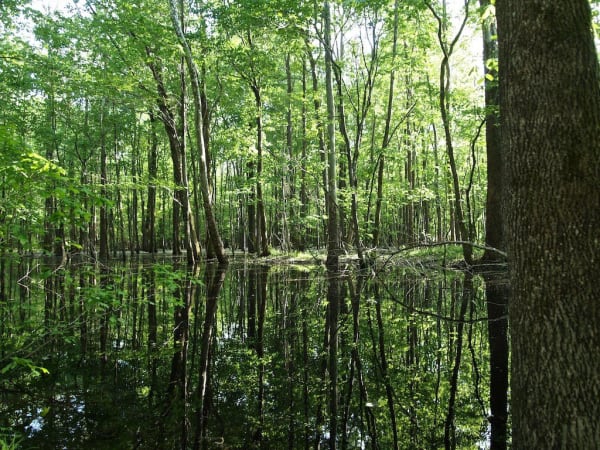
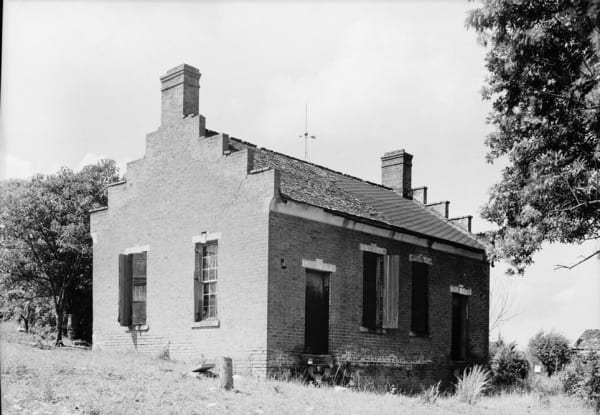
The Roanoke carried the wealth of the plantations and the people who fled them. Halifax adopted its Resolves for independence in 1776 and held one of the state's largest free Black communities, and its river trail and the refuge swamps downstream mark routes freedom seekers took toward the sea. At Hope Plantation near Windsor, more than fifty enslaved people worked David Stone's 1803 house and fields. In 1865 freedpeople settled Freedom Hill across the Tar from Tarboro, chartered in 1885 as Princeville. Greenville's Sycamore Hill church fell to urban renewal, and in 1982 Warren County's PCB protests began the environmental justice movement.
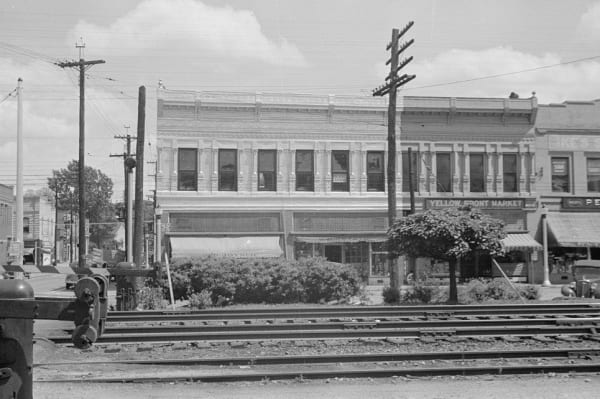
The rest is the pleasure of the coastal plain. Thelonious Monk was born beside the tracks in Rocky Mount in 1917. Vollis Simpson's whirligigs spin in downtown Wilson, the Skylight Inn has chopped whole hogs over wood in Ayden since 1947, and the 1823 Roanoke Canal and the granite ridge of Medoc Mountain mark the fall line.
What to See in Greenville, Halifax & the Roanoke River
12 places across the region, grouped by what they are.
Natural Areas
Historic Sites
Towns & Gateways
Industry & Mining
Food & Drink
Scenic Drives through Greenville, Halifax & the Roanoke River
Greenville, Halifax & the Roanoke River rewards the unhurried. Pick a base, fan out, and let the country between the headline stops surprise you.
← Explore more of Open Road Guide