The Glacial Lakes & the Northeast
The Coteau des Prairies and its glacial lakes, the Sisseton Wahpeton Oyate's Lake Traverse homeland, Fort Sisseton, and the Ingalls family's De Smet.
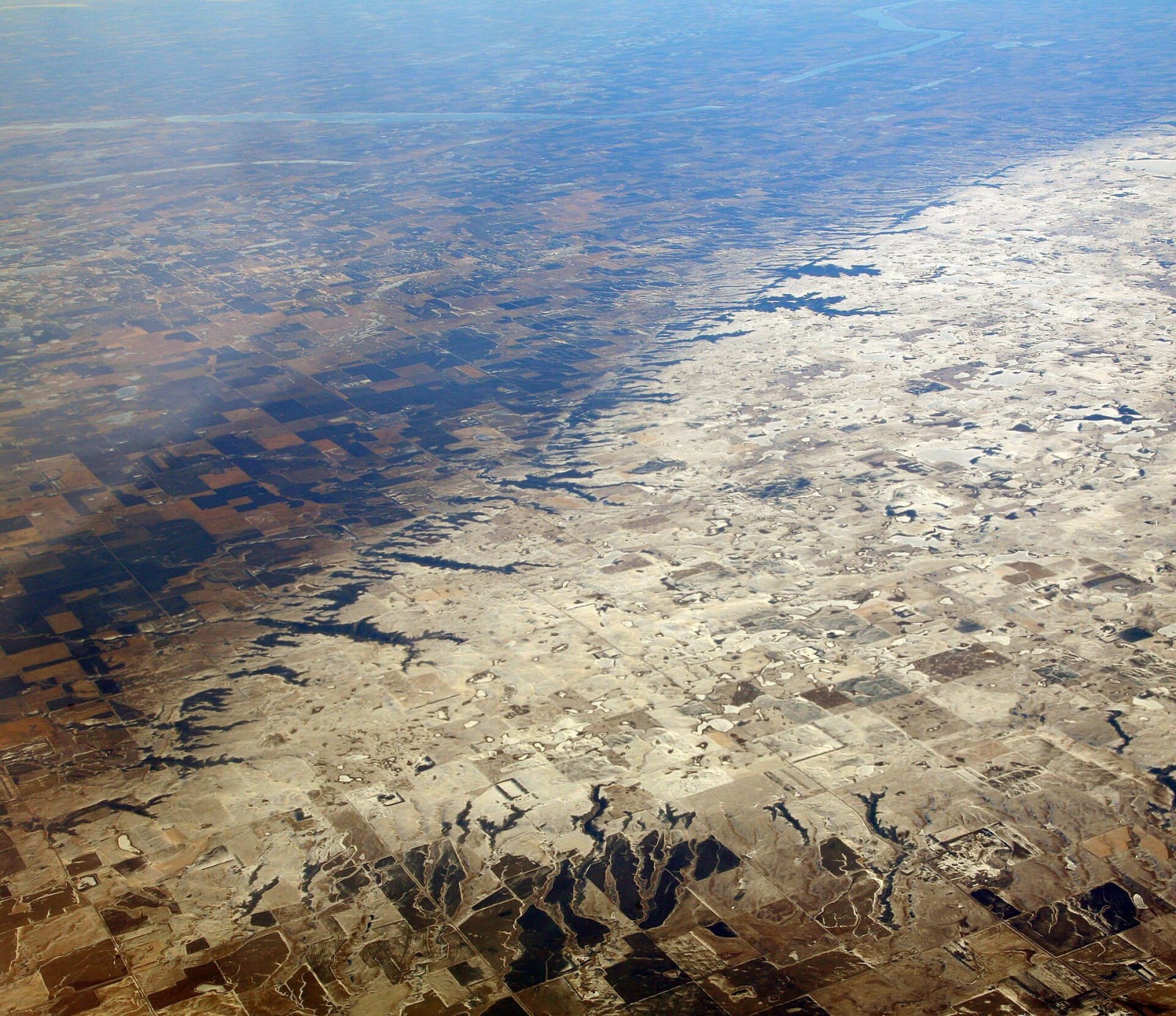
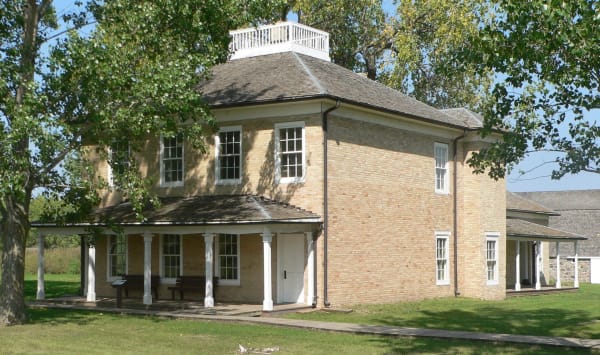
When the last ice sheet melted off the northeast it left a high wedge of land, the Coteau des Prairies, scattered with lakes and potholes. The Sisseton Wahpeton Oyate, Dakota people, hold the Lake Traverse Reservation along its northern edge, set aside by treaty in 1867, and govern from Agency Village. Fort Sisseton, built on the coteau in 1864 to watch the Dakota after the war in Minnesota, still stands in brick and fieldstone around its parade ground, and nearby Sica Hollow carries a Dakota word for bad.
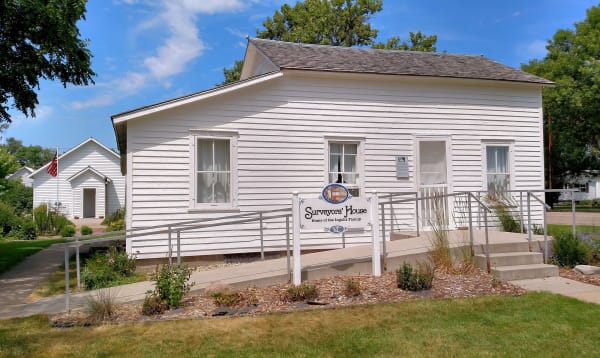
The railroads brought homesteaders in the 1880s. The Ingalls family came to De Smet in 1879, Charles Ingalls filed his claim the next year, and his daughter Laura set the later Little House books there, The Long Winter among them; the surveyors' house and the homestead are open. In Aberdeen, L. Frank Baum ran a store and then a weekly newspaper, and in December 1890 and January 1891 his editorials called for the extermination of the Lakota, the second written days after Wounded Knee. His descendants came to Pine Ridge in 2006 to apologize.
Brookings, on the eastern edge, keeps the state university, and Watertown sits between two glacial lakes of its own.
What to See in The Glacial Lakes & the Northeast
4 places across the region, grouped by what they are.
Natural Areas
Historic Sites
Stories from The Glacial Lakes & the Northeast
The Glacial Lakes & the Northeast rewards the unhurried. Pick a base, fan out, and let the country between the headline stops surprise you.
← Explore more of Open Road Guide