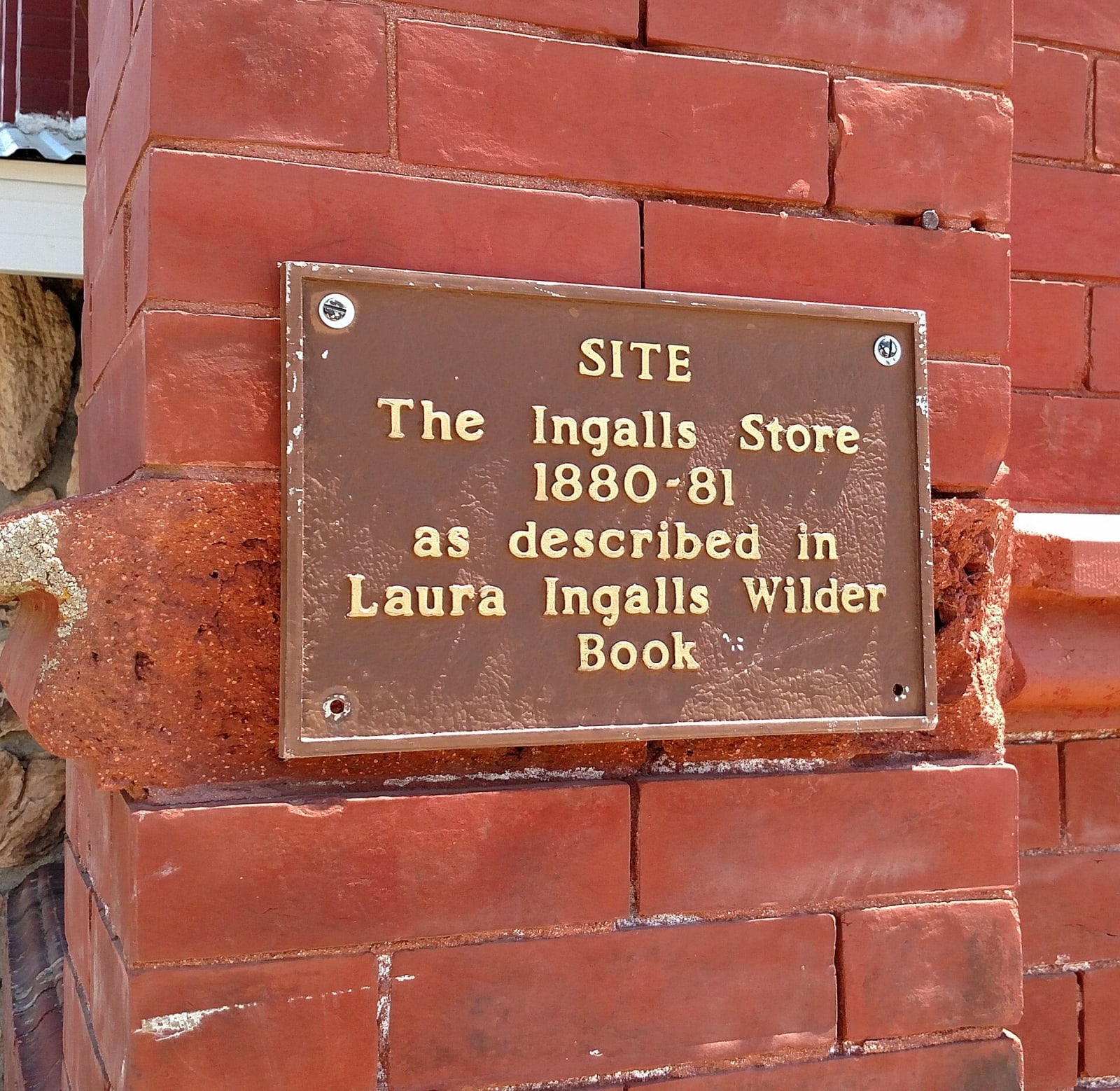
In The Long Winter, published in 1940, Laura Ingalls Wilder tells of her family's winter in De Smet, Dakota Territory, in 1880 and 1881. A blizzard strikes in October, so early that the family moves from their claim shanty into Pa's store building in town. Storm follows storm for months. The trains stop, coal and kerosene run out, people twist hay into sticks to burn and grind seed wheat in a coffee mill for bread, and two young men risk a trip across the snow to buy wheat from a farmer south of town. The trains do not come again until May. It reads like a children's story stretched for drama. The weather records say otherwise.
Checking the book
Barbara Mayes Boustead, a meteorologist and climatologist with the National Weather Service who grew up on the Little House books, spent years comparing the novel with the data. There was no weather station in De Smet, so she and her colleagues worked from the nearest long-running records across the plains and Midwest, from newspaper accounts, and from modern reconstructions of the atmosphere. Their study, published in 2020 in the Bulletin of the American Meteorological Society, concluded that the winter of 1880 and 1881 was one of the most severe since settlers of European descent began recording weather in the central United States, and that Wilder's account was largely accurate.
What the data show
The winter began early, with a strong blizzard across eastern Dakota and neighboring Minnesota and Iowa in mid-October 1880, as the book says. It stayed cold and snowy through the season, with storms into March and April. Snow buried the railroad cuts so deeply that the lines into Dakota were shut for months. Then spring came suddenly in late April and May, and the melt of the deep snow sent the rivers into record floods.
The study names three causes working together: a strongly negative North Atlantic Oscillation, which lets Arctic air pour south; a mild to moderate El Niño; and a background climate that was much colder than the twentieth-century average. Boustead has said that even a repeat of the same patterns would be hard-pressed to produce a winter six months long in the warmer climate of today.
The rest is memory
Some details in the novel were arranged for the story, and Wilder's own unpublished memoir, Pioneer Girl, tells the season a little differently. But the real ride for wheat happened. Almanzo Wilder and Cap Garland drove south of De Smet and came back with about sixty bushels just ahead of another blizzard.
The winter left its mark on the prairie towns that survived it, and on the readers who learned of it. At the Ingalls Homestead south of De Smet, the five cottonwoods Pa planted still stand on the claim the family proved up after the snow went off.