Charlottesville & the Virginia Piedmont
Monticello, Highland and Montpelier told with the enslaved, UVA's memorial, Heather Heyer Way, the Jefferson School, Gordonsville, Old Rag and Crabtree Falls.
Before Jamestown, this was Monacan country, the Piedmont between the fall line and the Blue Ridge. Their towns stood along the James and the Rivanna, Monasukapanough near what is now Charlottesville, and their capital was Rassawek, a place of burials that the Monacan Indian Nation, federally recognized in 2018, saved from a water pumping station in 2022.
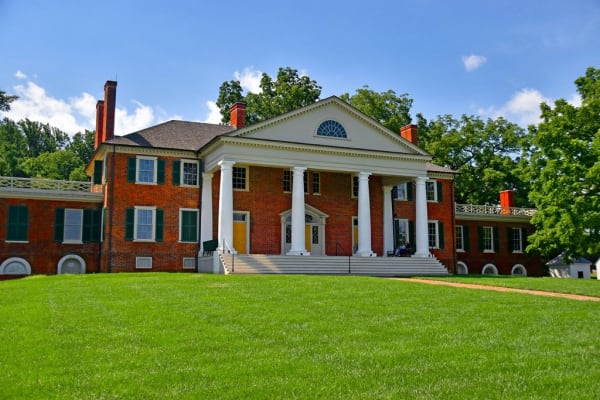
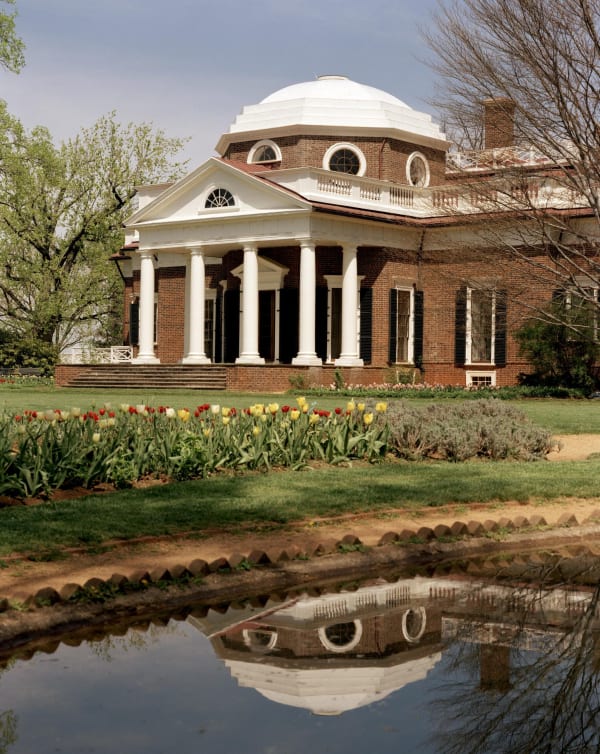
Monticello, Highland and Montpelier are told now through the people enslaved there: Mulberry Row and the Hemings family, George and Phebe's flight from Monroe, Paul Jennings and the descendants who share Montpelier's governance. At the University of Virginia a granite ring remembers 4,000 enslaved builders. The Jefferson School keeps Vinegar Hill and the Charlottesville Twelve, and on Fourth Street, Heather Heyer Way marks where she was killed in August 2017.
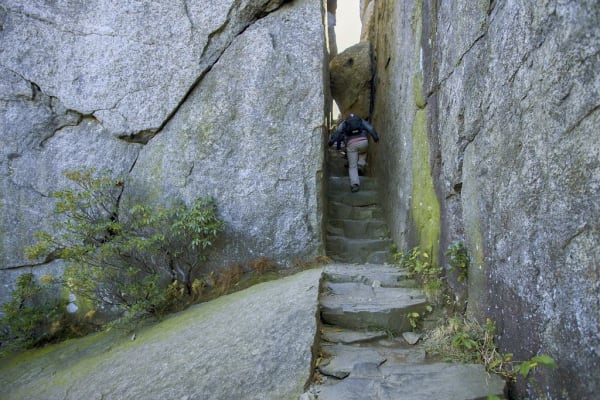
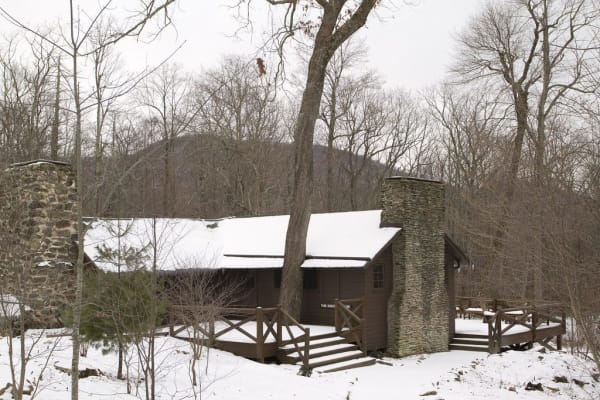
Gordonsville's Exchange Hotel was a hospital, then a Freedmen's Bureau hospital, beside the tracks where Black women sold fried chicken to the trains. Culpeper's battlefields hold Cedar Mountain and Brandy Station. On the Blue Ridge, Rapidan Camp and Old Rag recall the families moved out for the park, Irish and enslaved men cut the Blue Ridge Tunnel, and Crabtree Falls drops toward the valley Camille flooded.
What to See in Charlottesville & the Virginia Piedmont
12 places across the region, grouped by what they are.
Natural Areas
Historic Sites

Towns & Gateways
Industry & Mining
Charlottesville & the Virginia Piedmont rewards the unhurried. Pick a base, fan out, and let the country between the headline stops surprise you.
← Explore more of Open Road Guide